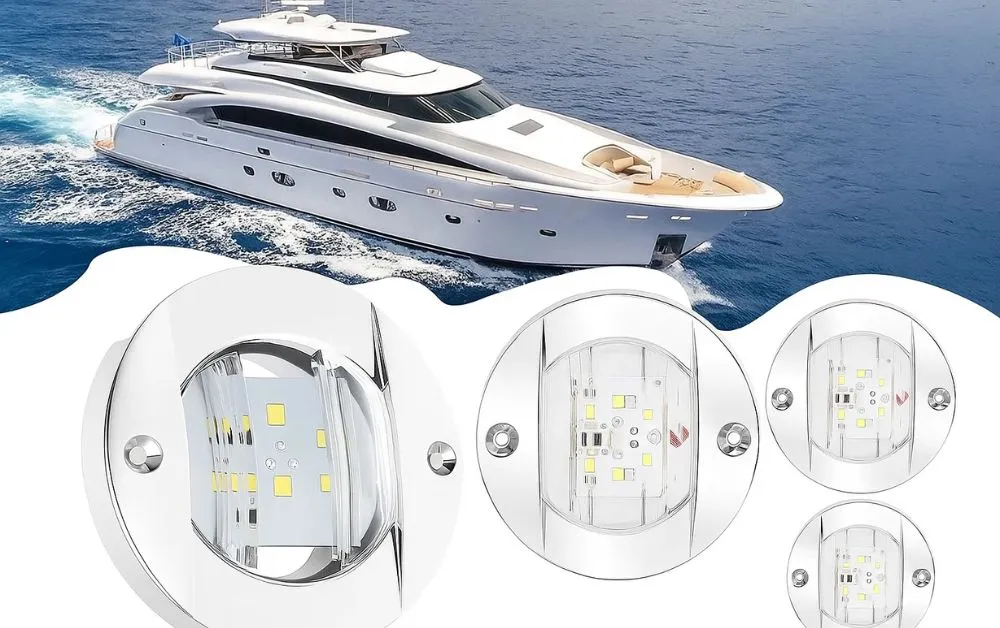
Marine Deck Lights: Function, Style, and Safety

Marine Deck Lights: Function, Style, and Safety

Whether it is a luxury yacht or a commercial boat, marine deck lighting plays a crucial role when outfitting a vessel. In fact, any shipowner in the Gulf and beyond would like to obtain supplies from a trusted marine light supplier in UAE. A company, like Al Arz Electrical Ware Trading, one of the UAE’s leading companies in the field of General Trading, offers a wide array of highquality marine lighting solutions to meet these needs.
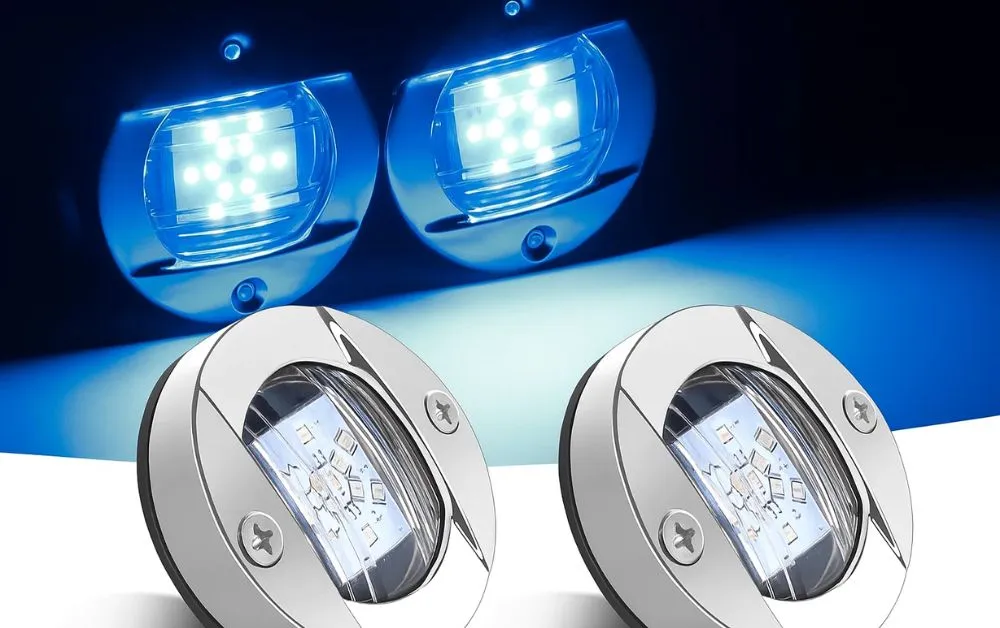
Why Marine Deck Lights Matter

Why Marine Deck Lights Matter

Marine deck lights are not simply for stylistic purposes. Primarily, they ensure the safety and functional use of your boat, especially during night travel or docking. Properly placed deck lights illuminate walkways, steps, seating zones, and perimeters to reduce the risk of trips, slips, and falls on a moving vessel.

Beyond safety, deck lighting also dramatically enhances the ambiance of a boat. A well-thought-out lighting scheme can turn a basic deck into an intimate lounge area, a party-ready hot spot, or a quiet retreat under the stars. Well-chosen lights reflect a vessel owner’s commitment to both practicality and style.

Key Functions — Safety, Navigation & Operation

1. Safe movement and accident prevention

The deck lighting dramatically improves the visibility on a vessel’s surfaces, essential when boarding, disembarking, or simply walking around at night. In rough seas or just poorly lit marinas, illuminated walkways and stairs will help avoid accidents.

2. Operational Utility for Work and Docking

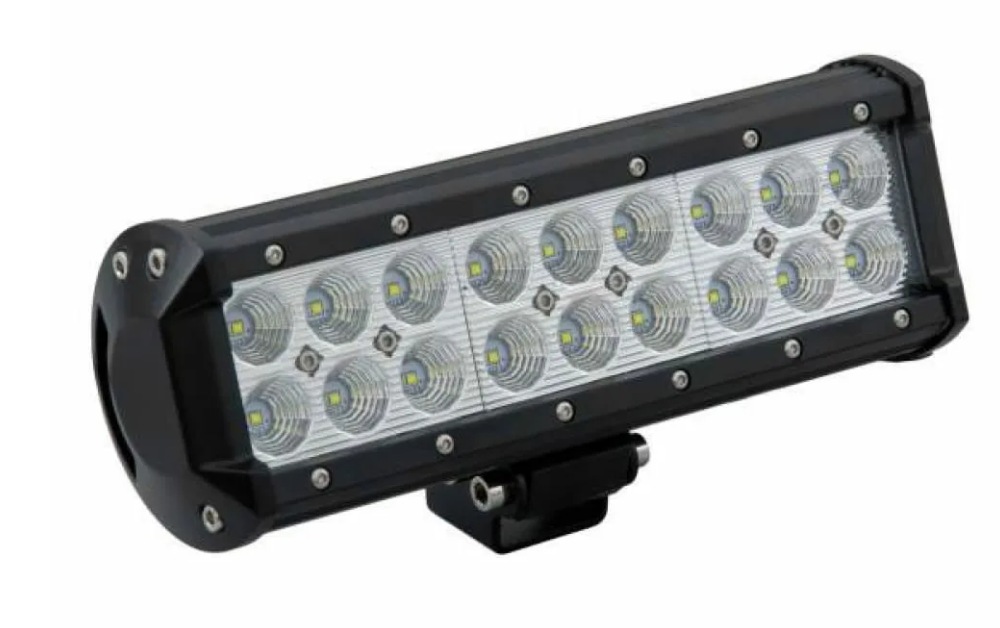
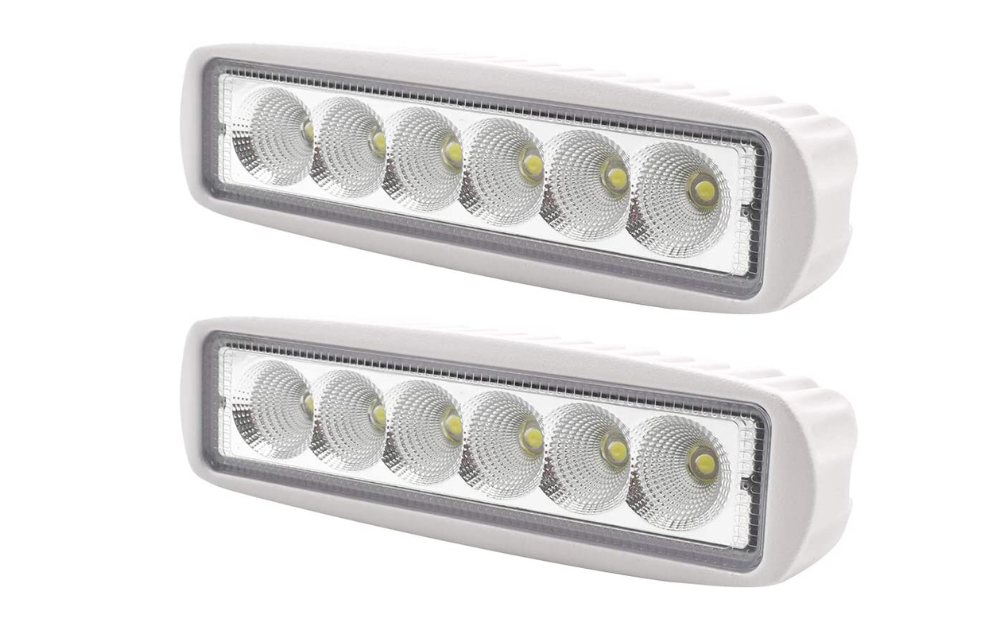
On commercial or utility vessels, deck lights provide illumination to safely undertake loading and unloading, maintenance tasks, and nighttime operations. Floodlights or broader-beam deck fixtures ensure adequate illumination for work zones or loading bays.

3. Navigation Compliance (Indirectly)

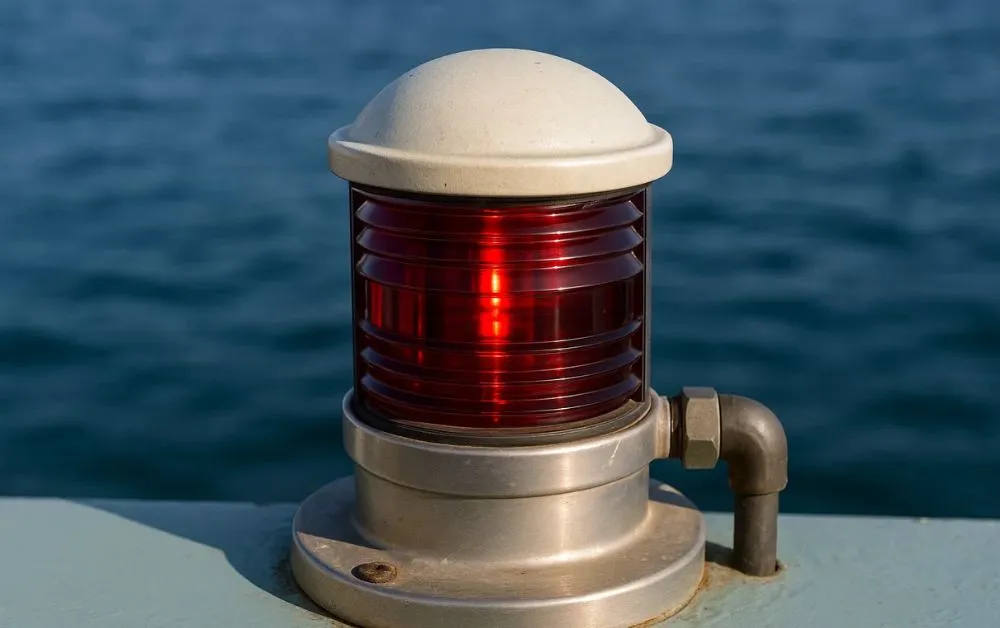
While ‘dedicated’ navigation lights (red, green, white) are required under maritime regulations for the purpose of indicating orientation and avoiding collision risk, deck lights contribute to vessel visibility in general, supplementing the lights needed in particular cases, such as those involving marinas or congested waters.

Style & Aesthetic Appeal

While safety and functionality may top the list of priorities for any vessel owner, many view deck lighting as an opportunity to individualize their boat’s look and feel. Modern marine lighting technology-especially LED solutions-brings a number of style-driven benefits.

  • Ambiance and Mood Lighting: Whether soft and warm for a relaxed evening or bright and crisp for a lively deck party, deck lights can significantly affect the atmosphere.
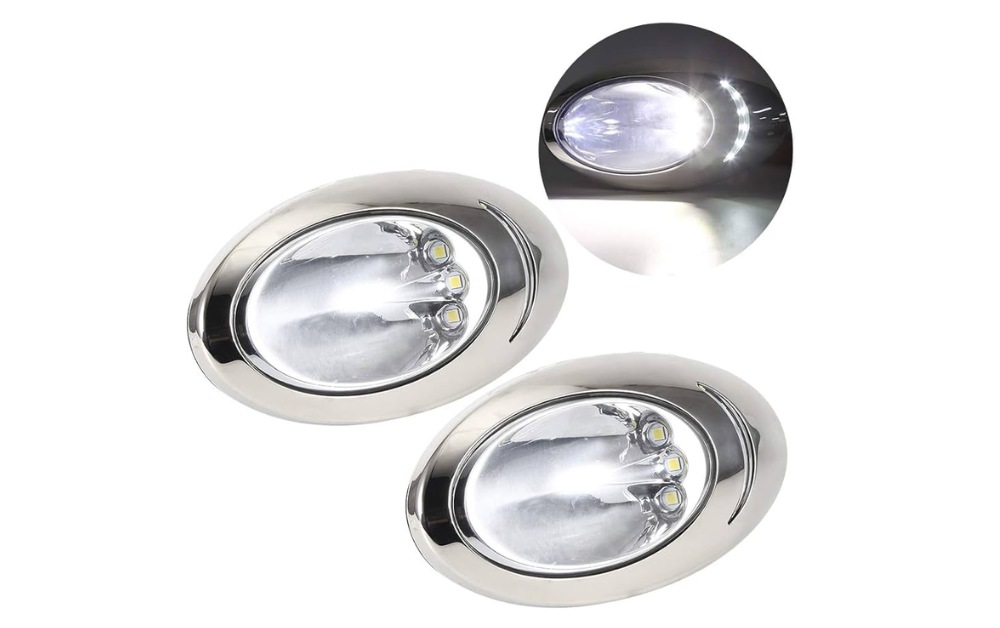
  • Design flexibility: LED deck lights can be made into various shapes, like flush-mounted, surface fixtures, strip lights under railings or steps, or even accent lights along perimeters. This enables sleek, minimalistic design or showy decorative effects, depending on taste.
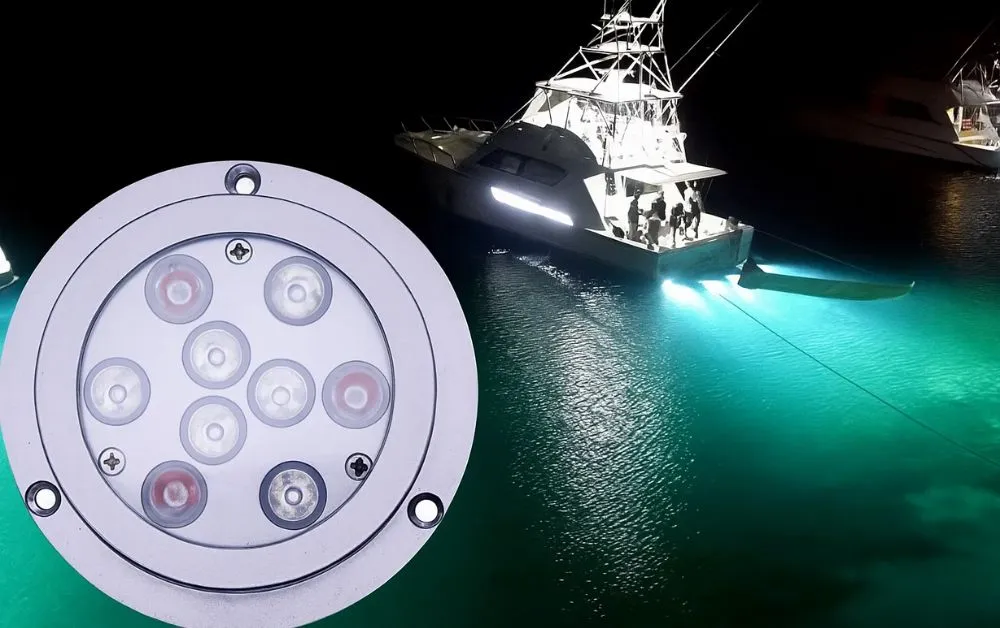
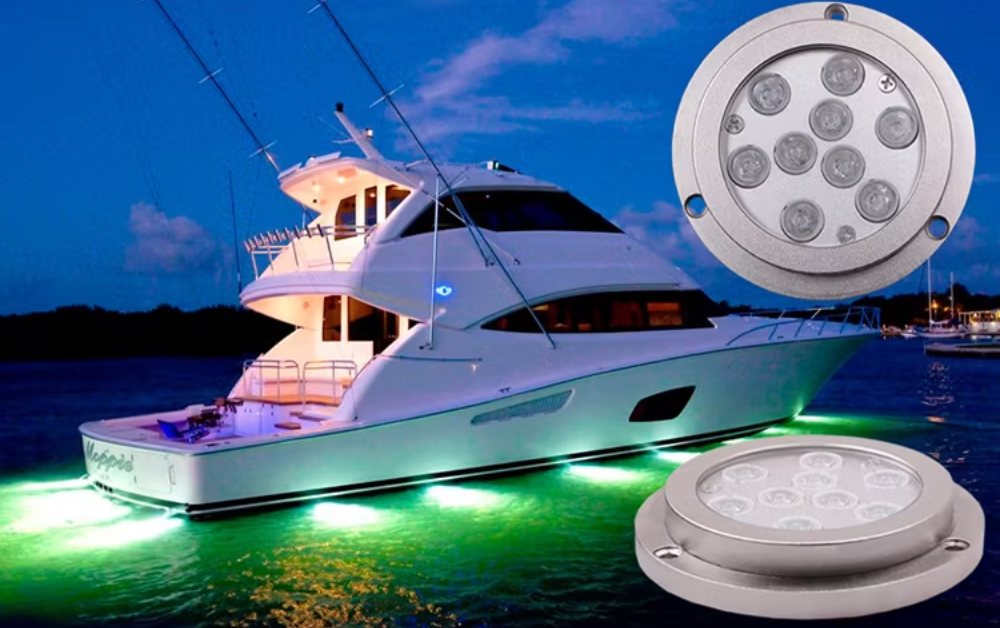
  • Features Underwater & Courtesy Lights for Luxury Feel: Most of the modern yachts employ deck lights along with underwater or courtesy lights to add some drama and luxury feel, ideal for leisure boats or yachts at night.

Well-selected deck lights, for their part, make a ship not only more secure to traverse but simply more welcoming and appealing to the eye.

Why Marine‑Grade (Especially LED) Matters

Below deck, life at sea is tough enough: corrosion from saltwater; moisture 24/7; sun so unfiltered it might as well be the desert; vibration and stress. In other words, regular lights won’t do. That’s why we prefer marine-grade deck lights, particularly in LED versions:

  • Durability and corrosion resistance: A good marine deck light is designed to withstand salty water, humidity, and corrosion. Therefore, materials used include stainless steel housings with sealed enclosures.
  • Waterproofing and High IP Rating: In deck lights for outdoor applications, an IP rating is essential. An IP rating of IP66, a rating for protection against powerful water jets, is generally the minimum; however, many marine-grade lights offer IP67 or higher for temporary immersion.
  • Energy Efficiency and Long Life: LED deck lights use much less power when compared to conventional halogen or incandescent lamps. This becomes an essential aspect for boats, as energy conservation is a key issue. Besides that, LEDs have longer service life, sometimes up to tens of thousands of hours, thereby reducing maintenance and replacement cycles.
  • Vibration and Shock Resistant: Seafaring vessels are in constant motion due to waves and vibrational action from the engine. LED marine lights are designed to withstand such stresses without failure.

Given these advantages, most boat owners find LED deck solutions more advantageous than traditional methods of lighting, especially in a commercial or seafaring context.

Best Practices When Installing Marine Deck Lights

Here are a few pointers to help you get the most from your deck lighting.

  • Achieve Balance between Brightness and Comfort: The light in the house should be bright enough to illuminate passageways, stairways, and deck floor areas without causing glare or discomfort. Excessive lighting spoils dark adaptation.
  • Correct Color Temperature: The general favorite color is “cool white” (5500-6000 K) for most sailboat applications. However, when there is fog or mist, a warmer tone will reduce glare and light scatter: 2400–2800 K (amberish).
  • Use marine-grade materials and IP-rated fixtures: to ensure that these fixtures are waterproof, corrosion-resistant, and rated for marine duty, ideally IP67 or better. Other must-haves include stainless steel brackets, sealed housings, and correct wiring.
  • Install Where Light Is Needed: Along walkways, near the stairs, around the perimeter of your house, in hightraffic areas. Recessed or flushmounted lights remove trip hazards and have a nice, clean look.
  • Routine Maintenance and Check-Up: The sea salt, humidity, and road vibration will deteriorate the light fixture over time. How about regular inspections for corrosion, bad connections, and water damage to avoid unexpected failures?

Deck Lights as an Experience — Safety Meets Style

It’s this dual role-practical safety equipment by day, elegant mood-setter by night-that makes marine deck lighting special. For many yachts and boats, deck lights define how interiors and exteriors connect after sunset: warm, welcoming decks; sleek walkways lit along railings; shimmering underwater glow; comfortable lounging zones. Whether the vessel is used for work, leisure, fishing, or luxury cruising, the proper deck lighting elevates function and form alike.
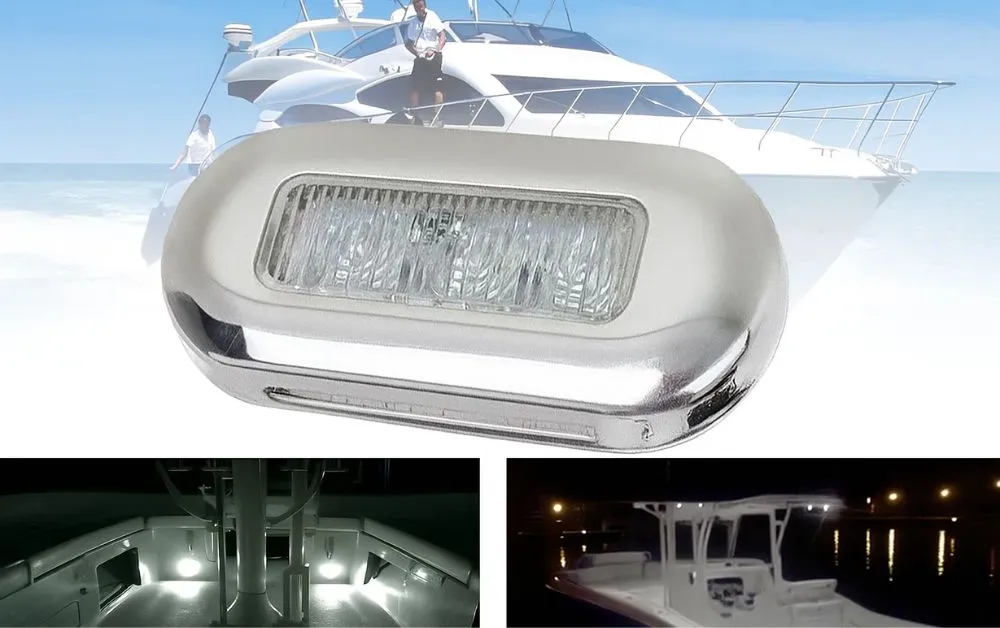
Deck Lights as an Experience — Safety Meets Style

Why Sourcing from a Reliable Marine Light Supplier Matters

Because of the specialized requirements of marine environments, corrosion, water exposure, vibration, and regulatory compliance, quality cannot be jeopardized. This is where a reputable marine light supplier in the UAE comes into play. Reputed suppliers source marinegrade lights, ensure proper ratings such as IP, corrosion resistance, voltage, and offer products that are fitted for local maritime conditions. A supplier like Al Arz Electrical Ware Trading stands out: it is one of the UAE’s leading generaltrading companies with marine lighting solutions tailored for real-world vessel requirements.
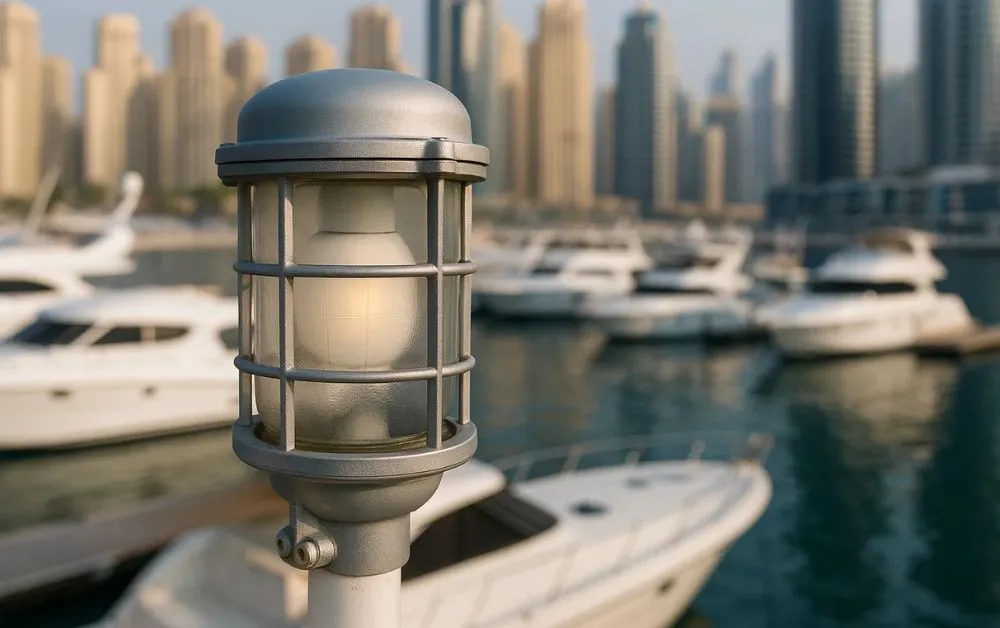
How Marine Lights Improve Safety on Water

How Marine Lights Improve Safety on Water

Navigating the open water, whether for leisure, fishing, or commercial purposes, requires the highest level of safety. Unlike roads, waterways do not have fixed lanes, streetlights, or clear boundaries. This is where marine lights play a crucial role. They are not just accessories but essential safety tools that guide vessels, prevent collisions, and ensure visibility in challenging conditions. For boat owners, operators, and maritime professionals, understanding the importance of marine lights is vital.

In this blog, we’ll explore how marine lights enhance safety, the different types used, and why choosing reliable marine light suppliers in UAE can make all the difference.

The Importance of Marine Lights in Navigation

The Importance of Marine Lights in Navigation

Marine environments are unpredictable. Waves, fog, storms, and nightfall can make visibility extremely poor. Unlike driving on land, boats have no headlights to illuminate a “road” ahead. Instead, navigation lights help captains and crew identify the position, direction, and type of vessel in their vicinity.

By following international maritime regulations, these lights indicate whether a vessel is anchored, moving, fishing, or restricted in maneuverability. This significantly reduces the risk of accidents, especially in crowded shipping channels or busy ports.

Without proper lighting, boats can easily collide, grounding incidents can occur, and rescue operations may be delayed. Thus, marine lights are directly tied to the safety of human lives and marine assets.

Key Ways Marine Lights Improve Safety

1. Preventing Collisions at Night

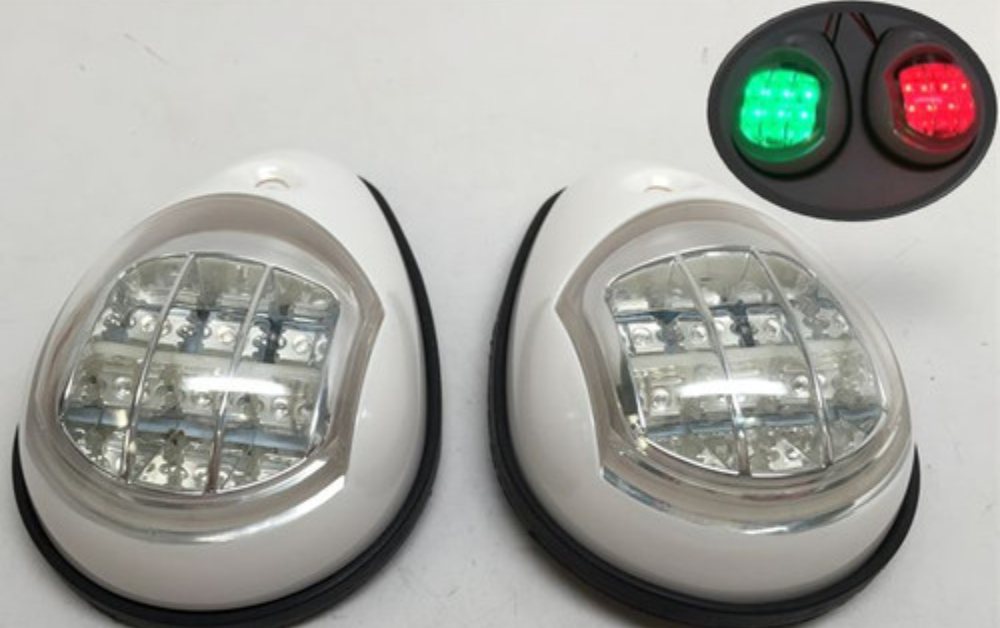
At night, marine lights act as the “eyes” of the vessel. Navigation lights help identify which direction a boat is traveling and its relative size. For instance, red and green side lights show port and starboard sides, while a white stern light marks the rear of the vessel. This system allows operators to quickly assess who has the right of way, avoiding accidents.

2. Ensuring Visibility in Poor Weather

Fog, heavy rain, or stormy seas often reduce visibility to dangerous levels. In such conditions, strong marine floodlights, searchlights, and deck lights become critical. They illuminate the vessel, making it easier for others to detect and navigate safely around.

3. Supporting Emergency Situations

Marine lights are not only for navigation. They also play a major role in emergencies. Strobe lights, distress flares, and high-powered signal lights help rescuers identify boats in trouble. Properly functioning emergency lights can mean the difference between a swift rescue and prolonged danger.

4. Illuminating Work Areas

On fishing boats, cargo ships, and oil rigs, work often continues through the night. Deck lights ensure crew members can perform tasks safely without accidents. Adequate lighting prevents slips, falls, and mishandling of equipment, protecting both workers and valuable cargo.

5. Enhancing Security

Piracy, theft, and unauthorized access remain risks in some waters. Bright floodlights deter such threats by making it difficult for intruders to approach unnoticed. Additionally, good lighting systems help surveillance cameras capture clearer images at night.

Types of Marine Lights and Their Safety Roles

Understanding the different types of marine lights helps vessel owners choose the right setup:

  • Navigation Lights: Essential for direction, speed, and vessel type identification.
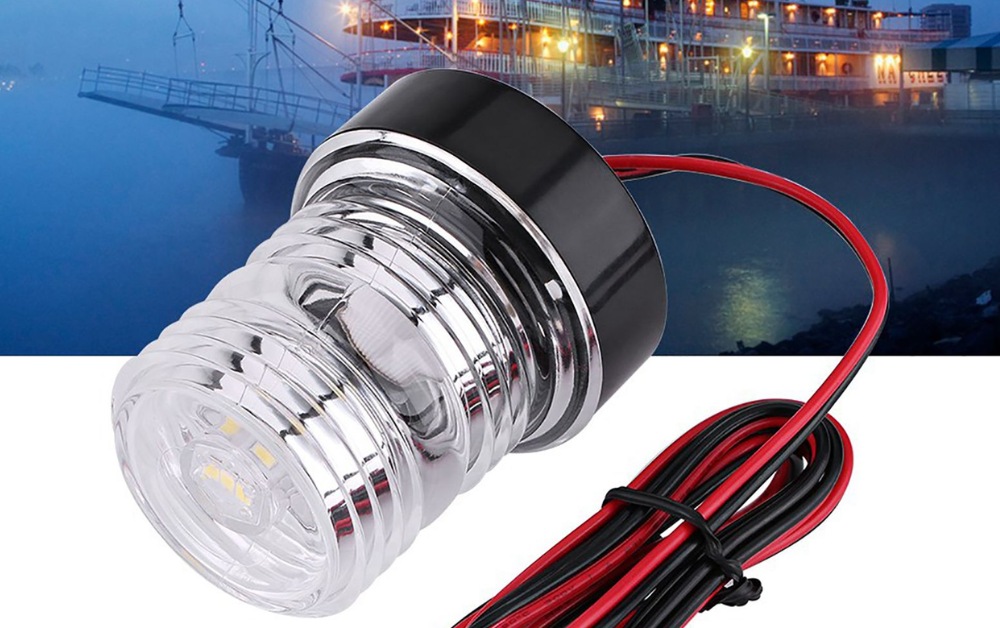
  • Anchor Lights: Positioned at the highest point of a vessel to signal when it is stationary.
  • Searchlights: Used to scan waters ahead, crucial for detecting obstacles or approaching docks.
  • Deck and Work Lights: Provide illumination for crew activities at night.
  • Underwater Lights: Improve underwater visibility, aiding divers and enhancing vessel presence.
  • Emergency Strobe Lights: Emit flashing signals to indicate distress or attract attention.

Each of these lights plays a specific role in maintaining safety, and their proper installation and maintenance are non-negotiable.

Why Choosing the Right Suppliers Matters

The performance of marine lights directly impacts safety. Inferior or unreliable lighting can fail at critical times, putting lives and vessels at risk. This is why sourcing from trusted marine light suppliers in UAE is crucial.

High-quality suppliers provide:

  • Lights that meet IMO (International Maritime Organization) and COLREGs (Collision Regulations) standards.
  • Energy-efficient LED options that reduce fuel consumption.
  • Durable products built to withstand corrosion, saltwater, and extreme weather.
  • Expert advice on installation and compliance requirements.

The UAE, with its busy ports and thriving maritime sector, has become a hub for reliable suppliers who cater to both commercial and private boating needs.

Maintenance and Best Practices for Marine Lights

Even the best marine lights need regular care to function optimally. Some best practices include:

  • Routine Checks: Inspect all lights before departure.
  • Clean Lens Covers: Salt and dirt buildup can reduce brightness.
  • Check Wiring: Ensure electrical connections are not corroded.
  • Replace Damaged Bulbs Immediately: Never sail with faulty lights.
  • Upgrade to LEDs: They last longer and are more energy-efficient.

By following these practices, boat owners ensure their lights remain reliable and effective.

Maintenance and Best Practices for Marine Lights

Conclusion

Marine lights are much more than simple illumination tools—they are lifelines on the water. From preventing collisions to aiding in rescue operations, they form a crucial part of maritime safety. Whether you own a private yacht, fishing vessel, or commercial ship, investing in the right marine lights is a responsibility that cannot be ignored.

For those seeking trusted marine light suppliers in UAE, one name that truly shines is Al Arz Electrical Ware Trading. With a strong reputation for quality, compliance, and reliability, they provide marine lighting solutions that keep vessels safe and efficient. Choosing a dependable partner like them ensures peace of mind every time you set sail.

LED vs. Halogen Marine Lights: Which is Better for UAE Boaters?

LED vs. Halogen Marine Lights: Which is Better for UAE Boaters?

Navigating the stunning waters of the UAE, whether off the coast of Dubai or around the mangroves of Abu Dhabi, demands more than just a strong hull and an efficient engine — it also requires proper lighting. Marine lights are essential for safety, visibility, navigation, and even aesthetics during nighttime boating. LED and halogen marine lights are among the most popular options for UAE boaters. But what is best suited to the UAE’s special marine conditions? In order to help boaters, make the best choice for their vessel, this blog explores the benefits and drawbacks of both lighting methods.

Understanding the Basics of Marine Light

Understanding the Basics

Halogen marine lights have been a traditional choice for many years. They work by transferring power via a tungsten filament that is enclosed in a quartz envelope that contains halogen gas.  They’re known for producing a warm, bright light and are inexpensive upfront.

However, LED (Light Emitting Diode) marine lights represent a newer, more innovative lighting solution. They operate by flowing current through a semiconductor, causing it to produce light in a far more energy-efficient manner. LEDs are known for their durability, minimal power consumption, and immunity from environmental stress.

Power Consumption: Essential in Remote Marine Regions

One of the most significant distinctions between halogen and LED marine lights is power efficiency — an essential consideration for boaters.

  • Halogen lights draw far more power. A typical 50-watt halogen bulb will drain so much more juice from your boat’s battery, cutting back on the time you can spend on the water without recharging or running a generator.
  • LED lights are highly power-saving. A similar LED bulb would use 5–10 watts of power for the same brightness. This is particularly significant for small boats or those plying off-beat routes where power saving is crucial.

In the UAE’s hot and generally power-starved boating environment, where several boats run on solar-charged or backup power systems, LED lights have no contest in this area.

Heat Emission: A Real Issue in UAE Temperatures

The marine climate in UAE is noted for high ambient temperatures, particularly in the summer when ambient temperatures can go well over 45°C.

  • Halogen bulbs give off a lot of heat. This excess heat can heat cabins and cause undue stress to cooling systems.
  • LED bulbs are cool to the touch and emit very little cabin heat, making them a perfect choice for already warm environments.

Marine boaters in the UAE will welcome the lower operating temperatures of LED lights when they go out for evening or overnight cruises.

Lifespan and Durability

Maritime conditions are harsh — constant exposure to saltwater, humidity, and vibrations. This is why lighting system durability is a significant priority.

  • Halogen lights usually last 1,000 to 2,000 hours and are sensitive to shock. They will also shatter more easily if the bulb or fixture is accidentally dropped or bumped.
  • LED lights can last for at least 25,000 to 50,000 hours. They are also shock, vibration, and corrosion resistant, making them the best for rough ocean conditions and high-speed marine applications.

For UAE boaters accustomed to dealing with unpredictable weather in the Arabian Gulf or Indian Ocean, LED lights are the more durable and reliable option.

Cost Comparison: Initial vs. Long-Term Value

Halogen lights may seem cheaper at first blush, with lower initial cost for bulbs and fixtures. This has made them a popular option with frugal boaters.

However, LED lights save money in the long term by:

  • Consuming less energy
  • Requiring fewer replacement bulbs down the line
  • Requiring less maintenance over time

When considering the total lifecycle cost — an essential factor for business boat operators or regular boaters in the UAE — LED maritime lighting is more economical in the long term.

Light Quality and Visibility

Visibility is essential for safety, whether maneuvering through narrow marina entrances or making way through other boats while boating at night.

  • Halogen lights produce a warm white light that can look more natural but won’t go as far or shine as brightly, particularly underwater.
  • LED lights provide a brighter, cleaner, and more focused beam. Most LED marine lights are also produced in colors (such as blue or green) for underwater applications, which can increase visibility underwater and lure marine life for fishing at night.

LED lights are at the forefront once again for sheer brightness and brilliance — particularly for nighttime navigation and submersion in clear Gulf waters.

Environmental Factors

Sustainability is becoming increasingly relevant in maritime businesses, particularly in green markets like the UAE. 

  • Halogen bulbs are not as environmentally friendly because they last less long and consume more energy.
  • LEDs facilitate sustainability aspirations with extended usage life, reduced energy consumption, and recyclability.

Considering the UAE’s drive towards cleaner technologies and sea conservation, LED lighting best meets national sustainability aspirations.

Last Word: LED or Halogen

Following a comparison of performance, efficiency, cost, and longevity, it’s evident that LED marine lights are more suitable for UAE boaters. Although halogen lighting remains suitable for low-budget or short-term applications, the advantages of LED lighting in the challenging UAE marine environment are far too significant to overlook.

The primary benefits of LED marine lights for UAE boaters are:

  • Less power consumption
  • Increased lifespan
  • Improved heat and humidity durability
  • Improved safety and visibility
  • Environmental sustainability
  • Reduce long-term expense

Marine Light

Conclusion

For UAE boaters who expect high performance, safety, and efficiency from their marine lights, the transition from halogen to LED is not merely a trend — it’s an intelligent choice. Whether you’re a recreational sailor cruising the coast or a commercial vessel transporting passengers between Emirates, LED marine lights represent better value, reliability, and peace of mind. As the UAE’s marine sector continues to advance, so will the use of LED technology — lighting the path to safer and greener voyages.

The Top 5 Types of Marine Lights Every Boater Should Know

The Top 5 Types of Marine Lights Every Boater Should Know

Steering in open waters, especially during night or in poor visibility, requires more than talent and intuition. It requires the correct marine lighting. Marine lights aren’t accessories—they’re critical safety devices that keep you visible to others, avoid collisions, signal your purpose, and comply with maritime laws. If you’re an experienced sailor or a boat buyer, you should know about various marine lights.

This post will discuss the top 5 marine lights a boater should know about, such as their specific purposes and why they matter. We will highlight how interacting with reliable UAE marine light suppliers can help you equip your boat with good-quality lighting solutions.

Navigation Lights

1.Navigation Lights

Purpose: Visibility and identification of the right-of-way

When to Use: Between sunset and sunrise or in low visibility

Navigation lights are obligatory for all vessels operating in the evening or bad visibility. Navigation lights notify other ships of your vessel’s size, type of operation, and movement direction. The minimum setup includes:

  • Red light on the left (port) side
  • Green light on the right (starboard) side
  • White light in the rear (stern light)
  • Masthead light (for propeller-driven boats)

All setups guide other boats on how to maneuver around your ship. For example, if another vessel sees your red light, they understand they are approaching on your port side and should give way.

Proper installation and adherence to international marine lighting standards are critical. UAE marine light suppliers offer compliant and weather-resistant navigation lights suitable for various sizes and types of boats.

2.Anchor Lights

Purpose: To signal a moored boat at anchor

When to Use: When moored at night outside of marked mooring areas

Anchor lights are white lights mounted around the boat and up high on the vessel—usually on the mast or the back. They are used when your boat is moored and anchored to alert other ships in your presence.

Displacing an anchor light can lead to dangerous collisions, especially in busy anchorages or ports. It’s a common mistake for recreational boaters, but a simple solution is to get the right equipment from marine light suppliers in the UAE.

Anchor lights nowadays can also feature energy-saving LED technology and automatic sensors that switch them automatically in the dark, offering convenience and added protection.

3.Deck and Courtesy Lights

Use: Deck and interior lighting.

When to Use: Anytime onboard visibility is needed without compromising night vision or exterior navigation.

Deck lights illuminate the working surfaces of the boat, walkways, and sitting areas. They offer room to pass around the boat safely, especially at night. Courtesy lights are less obtrusive and are usually used in cabins, stairs, and under gunwales for a soft glow.

Though these are not necessarily legally required, they help to promote onboard safety and comfort. High-quality deck lights are also made to withstand harsh saltwater conditions and come in waterproof and corrosion-proof versions.

You may also obtain a range of marine-grade courtesy and deck lighting from UAE-based reputable marine light dealers, including bespoke color options and dimming features.

4.Underwater Lights

Purpose: Aesthetics, safety, and fishing

When to Use: At anchor, docked, or during night cruising

Underwater lighting has seen widespread adoption for its aesthetic and practical benefits. Underwater lighting is placed below the waterline, illuminating the water around your boat, making it look stunning at dusk. But they’re not merely decorative.

Underwater lights help with:

  • Dark docking
  • Watching marine life
  • Luring fish
  • Enhancing visibility overall

They come in different colors (blue, white, green) and are programmable for static or dynamic light patterns. Since they are submerged continuously, investing in robust, high-output LEDs would be best. UAE marine light suppliers in this division can provide guidance and high-quality products. 

5.Searchlights and Spotlights

Purpose: Targeted lighting for navigation, search, and emergencies

When to Use: Night docking, locating buoys, or man-overboard situations

Searchlights and spotlights cast forth intense, focused beams of light to help boaters find obstructions, search for items on the water surface, or guide the boat into harbor during darkness. They may be hand-operated, but some are equipped with remote rotation mounting for convenient use.

A good marine spotlight should be:

  • Waterproof
  • Corrosion-proof
  • Simple to operate
  • Long-distance-burning

These lights are also critical to emergency response and precise nighttime navigation. Unless you opt for halogen or LED types, ensure you’re purchasing from trustworthy marine light manufacturers in the UAE for performance-tested, marine-approved models.

Searchlights and Spotlights

Final Thoughts

Lighting is not all about visibility—it’s about safety, legality, and getting the most out of the boating experience. The top 5 sources of marine lighting—navigation, anchor, deck/courtesy, underwater, and searchlights—each have a particular purpose in keeping your boat in regulation and your crew safe.

While choosing marine lighting, ensure it accounts for brightness, energy efficiency, longevity, and adherence to regulations. To realize perfect performance, work continuously with experienced marine light suppliers in UAE who are familiar with local and overseas boating environments.

So, before your next trip, take a moment to check your boat’s lighting system. It may be time to replace it if it appears old, dull, or rusty. A brightly lit boat is a safe and intelligent boat.

Comparing Solar vs. Battery-Powered Marine Lights for Dubai’s Vessels

The maritime industry in Dubai is one of the most vital sectors, given its strategic location as a global shipping hub. With the constant movement of vessels across Dubai’s waters, lighting is essential for ensuring safe navigation, preventing accidents, and enabling vessels to function optimally during the night or in low-visibility conditions. When it comes to lighting solutions, two popular choices for marine vessels are solar-powered and battery-powered marine lights. Both types offer unique advantages and drawbacks, and choosing the right one can significantly impact the vessel’s operation and cost-efficiency.

In this blog, we will explore the differences between solar and battery-powered marine lights and examine their suitability for Dubai’s vessels. We’ll also dive into factors like maintenance, cost, environmental impact, and overall performance.

Solar-Powered Marine Lights: An Eco-Friendly Choice

Solar-Powered Marine Lights: An Eco-Friendly Choice

Solar-powered marine lights are becoming increasingly popular in the maritime industry due to their sustainability and long-term cost savings. These lights harness the power of the sun and convert it into electricity using photovoltaic cells, which then powers the lighting system on board. Here are some key factors to consider when evaluating solar-powered marine lights:

1. Sustainability and Environment-Friendly Operation

One of the most significant advantages of solar-powered marine lights is their sustainability. These lights rely on renewable solar energy, reducing the dependency on fossil fuels and helping to cut down carbon emissions. In a region like Dubai, where sunlight is abundant year-round, solar-powered lights offer an ideal solution for vessels operating in these waters. The environmental benefits of using solar power in marine vessels are undeniable, contributing to the protection of marine ecosystems and reducing the carbon footprint of the maritime industry.

2. Low Operating Costs

Since solar-powered lights run on sunlight, they don’t require any fuel or ongoing electricity costs. This can be a massive cost-saving factor for vessels that operate in remote areas for long periods. Once the solar panel system is installed, there are minimal operational costs involved. Over time, this translates into significant savings, making solar-powered lights an attractive option for long-term investments.

3. Low Maintenance Requirements

Another advantage of solar-powered lights is their low maintenance needs. These lights typically have a lifespan of several years, with minimal need for maintenance. As long as the solar panels are kept clean and free of debris, the system will continue to operate efficiently. In comparison to battery-powered lights, which require regular battery replacements, solar-powered lights require far less upkeep.

4. Dependency on Sunlight and Weather Conditions

However, one of the biggest drawbacks of solar-powered marine lights is their dependency on sunlight. In cloudy or rainy weather, the efficiency of the solar panels may decrease, which could lead to insufficient lighting during extended periods of low sunlight. While Dubai generally enjoys clear skies and abundant sunlight, vessels operating in regions with unpredictable weather might find solar-powered lights less reliable.

Battery-Powered Marine Lights: Reliable but with Trade-Offs

Battery-powered marine lights have been the traditional choice for vessels, and they remain popular due to their reliability and consistent performance. These lights are powered by rechargeable batteries, which can be recharged either on the vessel itself or through external sources. Let’s examine the key features of battery-powered marine lights:

1. Consistent Performance Regardless of Weather

One of the most significant advantages of battery-powered marine lights is that they provide consistent lighting regardless of weather conditions. Unlike solar-powered lights, which depend on sunlight, battery-powered lights are reliable even in the absence of direct sunlight or during poor weather. This makes them a more dependable choice for vessels operating at night or in regions with frequent overcast conditions.

2. Quick and Easy Installation

Battery-powered marine lights are generally easier to install compared to solar-powered lights, as they don’t require the setup of solar panels. These lights can be positioned in various locations on the vessel and offer flexibility in terms of installation. For vessels that don’t have the space for large solar panels, battery-powered lights might be a more practical solution.

3. Higher Operating Costs

The main downside of battery-powered marine lights is their operating costs. While the initial installation cost may be lower than that of solar-powered lights, the ongoing cost of replacing and recharging batteries can add up over time. Additionally, frequent battery replacements may increase maintenance costs. If a vessel operates continuously or is away from shore for extended periods, ensuring an adequate power supply for battery recharging can become challenging and costly.

4. Environmental Impact and Sustainability Concerns

Battery-powered lights, while reliable, can have a negative environmental impact due to the disposal of used batteries and the energy required to recharge them. Depending on the type of battery used, disposal and recycling can become an issue. The reliance on non-renewable resources for powering these lights also means that battery-powered systems are less environmentally friendly compared to solar-powered options.

Comparing Solar and Battery-Powered Marine Lights

Now that we’ve discussed the individual benefits and drawbacks of solar and battery-powered marine lights, it’s time to compare them across several important factors:

1. Cost Efficiency

  • Solar-Powered Lights: While the initial installation of solar panels may be more expensive, the lack of ongoing costs for electricity or battery replacements makes solar-powered lights cost-effective in the long run.

  • Battery-Powered Lights: These lights have a lower initial installation cost but require ongoing investment for battery replacements and recharging, leading to higher operational costs over time.

2. Environmental Impact

  • Solar-Powered Lights: Solar lights are environmentally friendly as they rely on renewable energy, contributing to a reduction in carbon emissions.

  • Battery-Powered Lights: These lights have a higher environmental impact due to the disposal of batteries and reliance on non-renewable energy sources.

3. Reliability

  • Solar-Powered Lights: While solar lights are ideal in sunny regions like Dubai, they may suffer performance issues in cloudy or rainy conditions.

  • Battery-Powered Lights: Battery-powered lights offer consistent and reliable performance, regardless of weather conditions.

4. Maintenance and Durability

  • Solar-Powered Lights: Solar-powered systems require minimal maintenance but may suffer from decreased efficiency if not properly maintained.

  • Battery-Powered Lights: Battery-powered lights require regular maintenance, including battery replacement, but are more durable when weather conditions are unfavorable.

Which is the Better Option for Dubai’s Vessels?

Dubai’s maritime industry operates in a region that enjoys year-round sunshine, making solar-powered marine lights a very appealing option. For vessels that remain in the UAE’s waters or other sunny areas for long periods, solar-powered lights offer sustainability, low operating costs, and long-term savings. However, for vessels operating in harsher weather conditions or those requiring consistent, immediate lighting, battery-powered marine lights remain a reliable option.

Comparing Solar and Battery-Powered Marine Lights

Conclusion: Al Arz Electrical Ware Trading – Your Trusted Supplier for Marine Lighting Solutions

When it comes to finding high-quality marine lighting solutions, Al Arz Electrical Ware Trading is your go-to supplier in Dubai. Offering a range of marine lighting options, including both solar and battery-powered lights, Al Arz Electrical Ware Trading ensures that your vessel is equipped with lighting solutions that meet both safety standards and operational requirements. Whether you’re looking for eco-friendly solar lights or reliable battery-powered lighting systems, Al Arz Electrical Ware Trading provides top-tier products to enhance the safety and efficiency of your marine vessels.

Top Features to Look for in Marine Lighting Systems

Top Features to Look for in Marine Lighting Systems

When it comes to marine environments—whether it’s yachts, fishing vessels, cargo ships, or offshore platforms—lighting plays a vital role in ensuring safety, visibility, and operational efficiency. Unlike standard lighting systems, marine lighting must withstand some of the harshest conditions on earth. From corrosive saltwater to constant vibration and extreme temperatures, marine lights must be both durable and high-performing. This is why selecting the right product—and the right marine light suppliers in UAE—is so important.

Below are some of the top features to consider when choosing a marine lighting system.

Waterproof and IP-Rated Design in Marine Lighting

1. Corrosion Resistance

Saltwater is notorious for causing corrosion, especially to exposed metals. The best marine lighting systems are made from materials like marine-grade stainless steel, anodized aluminum, or high-quality polymers that resist rust and corrosion. Look for fixtures with IP66 or higher ratings, which indicate protection against water and dust.

2. Waterproof and IP-Rated Design

A crucial factor in marine lighting is waterproofing. Lights are constantly exposed to splashes, rain, and humidity. Therefore, selecting lighting with a high Ingress Protection (IP) rating—like IP67 or IP68—is essential. These ratings ensure the lights can function even when submerged or directly sprayed with water.

3. Shock and Vibration Resistance

Marine vessels experience constant movement, which includes both vibration and sudden impacts due to waves. The lighting system should be rugged enough to withstand these stresses without losing functionality. LED lights, with solid-state components and fewer moving parts, are especially suited for this requirement.

4. Energy Efficiency

Efficiency is key in marine operations, where power sources are limited. LED marine lights consume significantly less power than traditional halogen or incandescent bulbs. They also emit less heat, reducing the load on onboard cooling systems. When selecting from marine light suppliers in UAE, always compare the energy ratings of the lights.

5. Long Lifespan

Changing lights at sea is not an easy task. A long service life reduces maintenance needs and ensures continued performance. Look for marine lights with high-quality LED chips that offer a lifespan of 30,000 to 50,000 hours.

6. Color Temperature and Brightness

Proper illumination improves safety and operational effectiveness. Some areas may need cool white light for clear visibility, while others may require warm lighting for comfort. Adjustable brightness and the ability to choose color temperature are valuable features in a marine lighting system.

7. Compliance with Marine Standards

Ensure the lighting complies with international marine regulations and certifications. This includes standards such as ABS (American Bureau of Shipping), DNV, or CE certifications. Compliance ensures the lights meet safety, environmental, and operational requirements.

Compliance with Marine Standards in Marine Lighting


Conclusion

Selecting the right marine lighting involves more than just aesthetics—it’s about durability, performance, safety, and compliance. Trusted marine light suppliers in UAE can guide you through options that suit your vessel’s specific requirements. Among the most dependable names in the industry, Al Arz Electrical Ware Trading stands out for providing high-quality marine lighting solutions that meet global standards. Their commitment to genuine products and expert support makes them a top choice for professionals across the UAE’s maritime sector.