


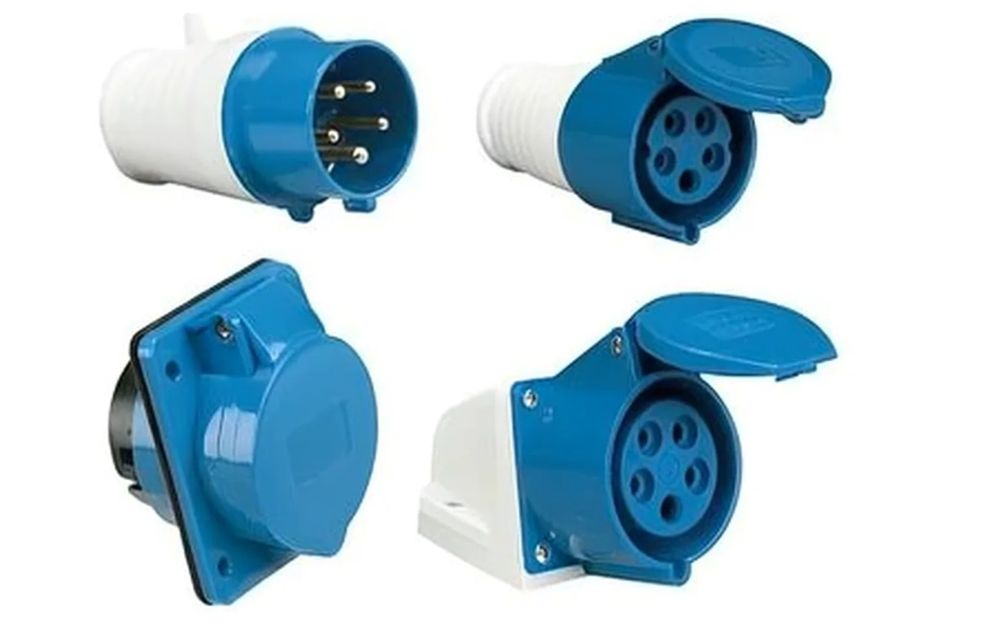
An electrical socket is one of those essential and often overlooked parts that help in maintaining a safe and efficient home or workspace. Finding reliable suppliers of electrical sockets in the UAE will go a great length to ensure the process of identifying a faulty socket becomes much easier. For example, Al Arz Electrical Ware Trading is among the leading companies in the UAE engaged in general trading, offering a wide variety of electrical and wiring accessories; knowing what constitutes a faulty socket helps you decide when parts should be sourced for replacement or upgrading from such trusted suppliers.
Here’s a detailed guide that will help you identify when a socket is faulty, what might cause it, and what you can do about it.
1. Discoloration, Cracks, or Melted Faceplates
One of the most apparent signs of a socket going bad is visual damage. If the plastic or faceplate around the socket shows discoloration, such as brownish, yellowed, or blackened, with cracks, even melted plastic, this most likely is indicative of overheating or arcing within either the socket or wiring.
This can be due to excessive flow of current, loose internal connections that generate heat, or wires that have deteriorated. At this stage, the socket is a fire risk and should be disconnected and examined by a qualified electrician.
2. Feeling Warm or Hot to the touch
If you touch the socket-or its cover plate-and it feels warm or hot, that’s a clear warning. The root cause is usually loose wires or terminal screws inside the socket, which create resistance and heat buildup.
You should not make further use of the circuit until it has been switched off and the wiring inspected. Don’t ignore this—even if the socket appears to work, the heating effect can lead to insulation damage and eventually failure.
3. Sparks, Burning Odors or Visible Arcs
When you start to smell something like burning plastic, find sparks, or small arcs when plugging in a device, you’re dealing with more than a worn socket: you might have damaged wiring, a short circuit, or internal arcing.
Stop using the socket and switch off the breaker. A fault of this type can easily develop into a serious hazard, including electrical fire.
4. Loose or Wobbly Socket / Plug Falls Out Easily
A socket that physically moves, jiggles, or allows the plug to fall out, even during everyday use, is evidence that its internal mounting or screws have loosened, or that the contact points have worn.
This isn’t just an inconvenience; loose contacts mean higher resistance and heat, and the risk of arcing increases. The socket should be removed and then properly secured or replaced.
5. Circuit Breaker Trips Often, or GFCI/GFI Fails to Reset
If your outlet is on a circuit that keeps tripping the breaker, or if it’s a GFCI outlet (ground‑fault circuit interrupter) and it won’t reset or keeps tripping, then you may have a faulty socket or faulty wiring associated with it.
The socket might be causing a partial short or leakage current. A professional should trace the circuit and ensure safe operation. Most especially in kitchens, bathrooms, or outdoor areas, these resets should not be overlooked.
6. Outlet Delivers No Power or Works Intermittently
Sometimes the socket simply stops giving power or works only occasionally—plug in a device and nothing happens, or it works but not reliably. Causes can include broken wiring inside the socket, failed internal connections, or even upstream wiring issues.
When you encounter such a problem, it’s necessary to test other outlets on the same circuit. Check whether the cause is the socket itself or a broader circuit fault. If it’s the socket, replacement is usually the best course.
7. Buzzing, Humming, or strange noises in the socket
A typical symptom of loose wiring, high resistance connections, and improper installation is when a socket hums or buzzes when it is in use.
It’s a sign that something is off, even if it seems functionally okay. Electrical noise is not normal and deserves a professional investigation.
Why Proper Sockets Matter & Choosing Quality Components
While being able to spot a flawed socket is singularly essential, making sure you use only the best quality replacements is a huge deal. In your quest to find electrical sockets suppliers in UAE, working with reputed companies such as Al Arz Electrical Ware Trading helps: the fact that they’ve been around for over 25 years and are one of the leading general-trading electrical supplies companies in the UAE gives assurance in product reliability.
When you source replacements, request sockets with proper grounding, three-prong certification for load capacity, and from trusted brands; poor-quality sockets may appear to be cheaper but cause the very faults you’re trying to avoid.
What to Do If You Identify a Faulty Socket
- Switch off power: Shut off the relevant breaker before any inspection or attempt at renewal.
- Do not continue use: if there are any of the big signs: heat, discoloration, sparks, etc.
- Call a licensed electrician: Let a professional check wiring, socket stability, and load/circuit suitability.
- Replace with quality socket: Ensure the socket you install is compatible with the device load, has appropriate certification, especially for UAE codes, and is sourced from trustworthy suppliers in the UAE.
- Check on surrounding wiring & circuit: More often than not, a failing socket is symptomatic of broader wiring or circuit issues such as old wiring, loose terminals, or overload.
- Establish periodic checks: Regular visual and functional inspections of sockets, especially heavy-use ones, can help find problems early.
Conclusion
Keeping on top of the condition of electrical sockets is a key facet of electrical safety and reliability. Be it a home, office, or commercial property you’re dealing with, identifying the warning signs-a faulty socket that is warm to the touch, a discolored faceplate, a loose plug fit, sparks, smells, frequent breaker trips-can save you from expensive repairs or hazards down the line. When replacement is in order, you should seek out supplies from well-established electrical sockets suppliers in UAE, such as Al Arz Electrical Ware Trading, making sure that you get quality, reliable hardware to answer the demands of your installation. With the right regime of inspection and proper sourcing, you can make sure that your electrical system is safe, compliant, and efficient.