

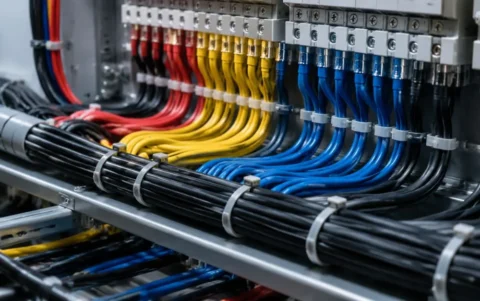
For contractors, project consultants, and facility managers across the Emirates, working with the right Electrical Cable Suppliers in UAE directly impacts project quality, delivery reliability, safety compliance, and ultimately the profitability of every electrical installation project. In a market where cable quality varies enormously — with compliant, tested products from reputable manufacturers sitting alongside non-compliant or mis-specified alternatives — knowing how to evaluate suppliers, specify documentation requirements, and manage cable procurement effectively is a fundamental competency for any serious UAE electrical contractor or procurement professional.
Why Cable Quality and Supplier Selection Is Business-Critical
Electrical cables are the backbone of every building, infrastructure, and industrial project. Substandard cables — whether due to below-specification copper content in conductors, inadequate insulation thickness, compromised fire performance, or simply non-compliance with specified standards — create genuine safety hazards, fail mandatory inspections, and generate costly rework that eliminates project margin. The UAE’s construction sector operates to internationally recognized standards, and electrical inspectors from Dubai Municipality, DEWA, and Abu Dhabi’s relevant authorities actively test cable samples during inspections. Non-compliant cables fail these tests, requiring complete replacement at the contractor’s cost.
Understanding the UAE Cable Market
The UAE market contains cable products from manufacturers spanning a very wide quality spectrum — from internationally accredited European and Gulf manufacturers producing consistently compliant products to commodity importers offering lower prices but with quality that may not withstand independent testing. Differentiating between them requires specific documentation, not just price comparison and supplier assurance.
Key UAE Cable Categories and Their Applications
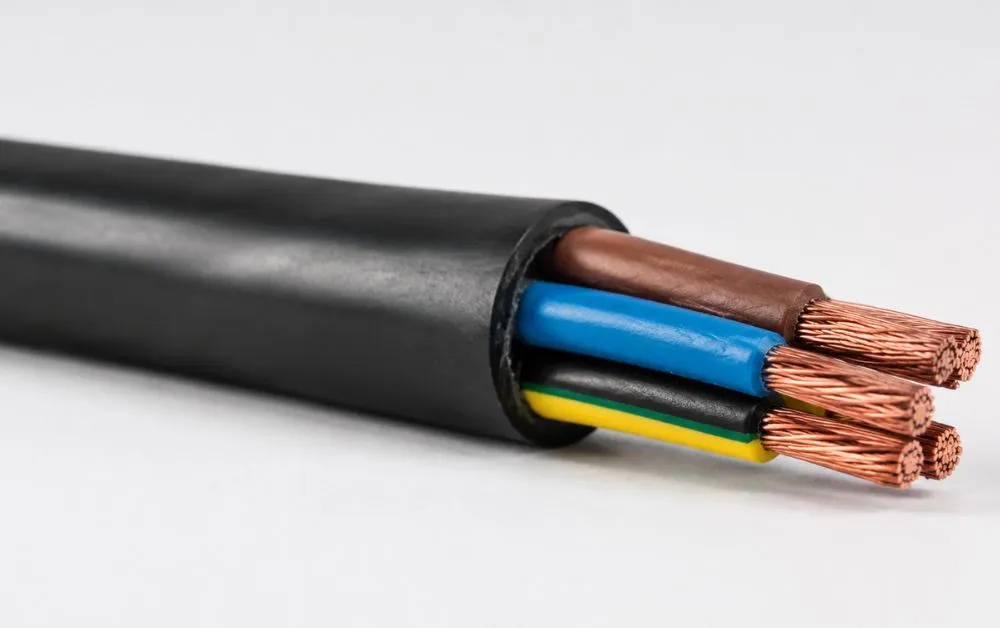
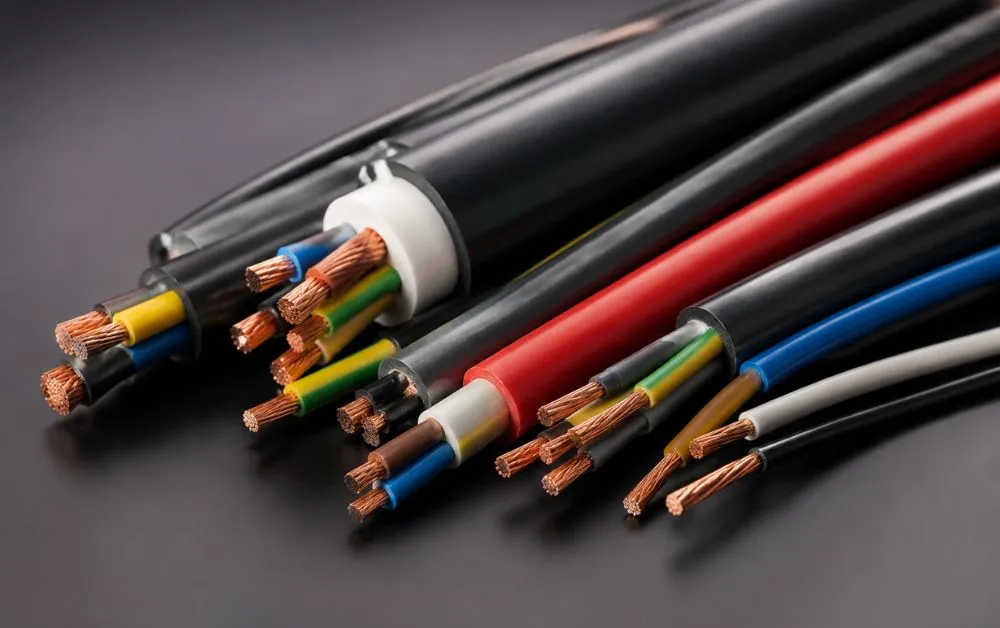
- Low Voltage Power Cables: XLPE or PVC insulated cables for power distribution in commercial buildings, residential developments, and industrial facilities. Standard specifications include BS 6004 (PVC insulated), BS 5467 (XLPE armoured), and IEC 60502 equivalents. Conductor material, insulation thickness, and overall dimensions must match specifications precisely.
- Fire Resistant (FR/LSOH) Cables: Mandatory under UAE fire code requirements for emergency power circuits, life safety systems, fire alarms, emergency lighting, and public building cable runs. These cables must maintain circuit integrity during a fire for specified periods. Critical specifications include BS 7629, BS 7846, and BS EN 50200 — each with different performance standards. Always verify the specific performance classification required by the project specification and confirm independent test certification from the manufacturer.
- Armoured Cables (SWA/AWA): Steel or aluminium wire armoured cables for underground installation, mechanical protection applications, and outdoor wiring where cables are exposed to physical damage risk. DEWA has specific requirements for cables used in its network that must be verified against the project’s supply authority.
- Data and Structured Cabling: Cat6 and Cat6A for copper structured cabling systems supporting up to 10GBase-T networks. Fibre optic for backbone infrastructure. The increasing performance demands of modern building networks — driven by IoT, building automation, and high-density Wi-Fi — mean structured cabling specification deserves careful professional attention.
Documentation Requirements for Quality Assurance
For quality-sensitive projects, the minimum documentation requirement from the electrical Cable supplier for each delivery should include: a Factory Acceptance Test (FAT) report or Mill Test Certificate (MTC) issued by the manufacturer for that specific production run, confirming conductor resistance, insulation resistance, high-voltage test results, and dimensional compliance; a Declaration of Conformity confirming the product meets the specified standard; and ideally, third-party certification from a recognized body — BASEC in the UK, VDE in Germany, or equivalent — providing ongoing independent verification that the manufacturer’s quality management system consistently produces compliant product.
Why Stock Availability Determines Project Success
UAE project timelines are typically aggressive, and cable delivery delays directly translate into programme delays that cost contractor’s money and erode client relationships. A supplier with deep, on-the-ground UAE stock across a comprehensive range of cable sizes, voltage ratings, and core configurations can respond to urgent project requirements without the multi-week lead times that order-to-manufacture or sea-freight supply chains impose. In practice, a supplier’s stock profile and delivery capability often matter more than their headline price when total project cost and programme adherence are considered.
Conclusion
Working with reputable Electrical Cable Suppliers in UAE who combine product quality, specification compliance documentation, deep local stock availability, and genuine technical expertise is not a procurement luxury — it is a fundamental requirement for delivering safe, compliant, and profitable electrical installation projects in the UAE’s demanding construction environment. The additional cost of quality, compliant cable from a professional supplier is trivially small compared to the cost of a failed inspection, forced rework, or worse, a safety incident caused by sub-specification product installed in a completed project.