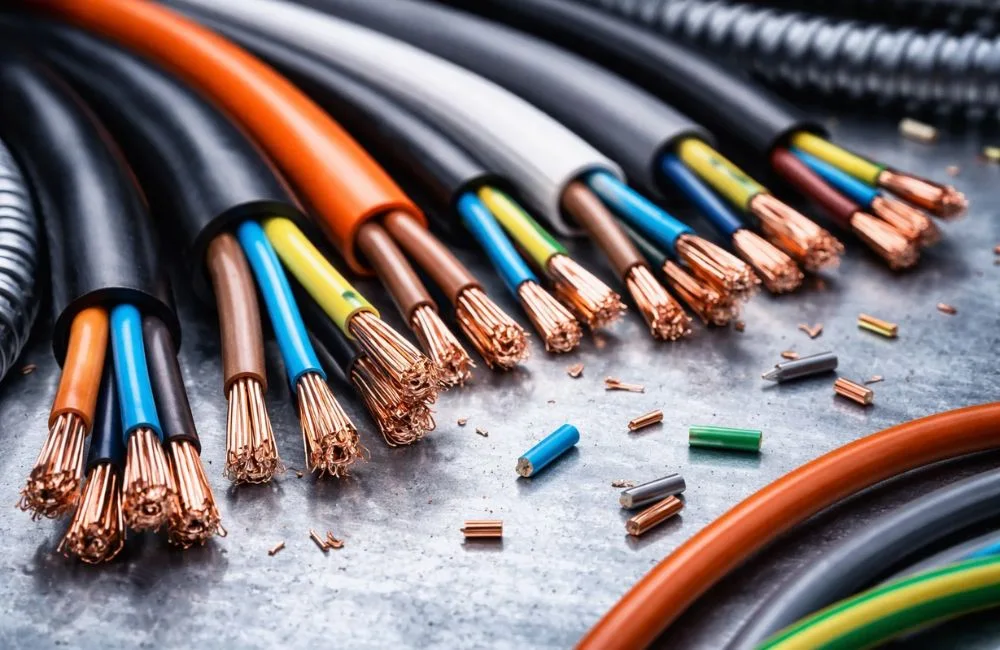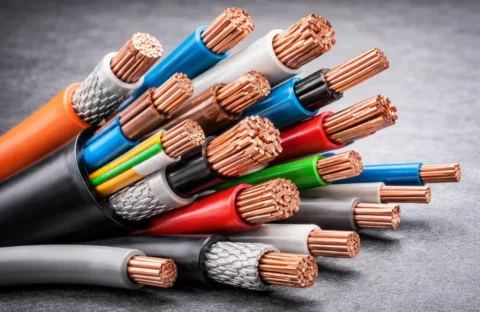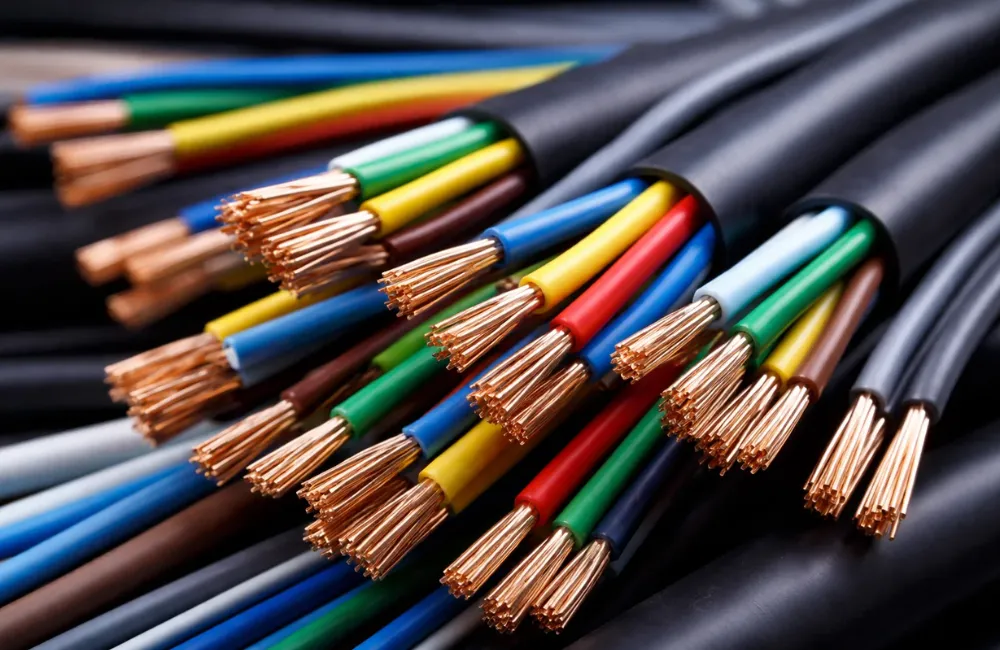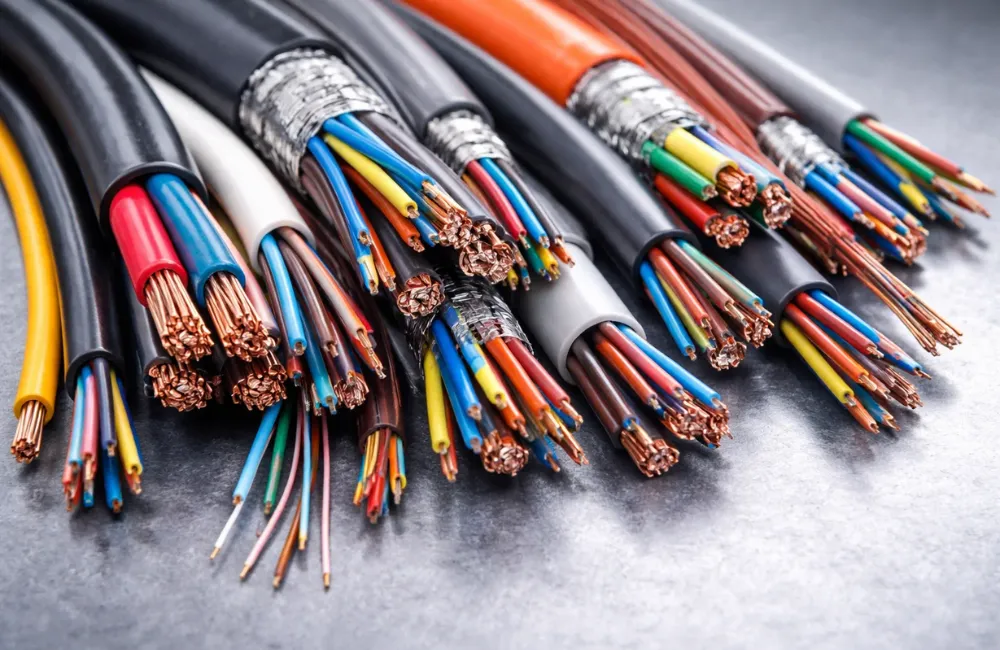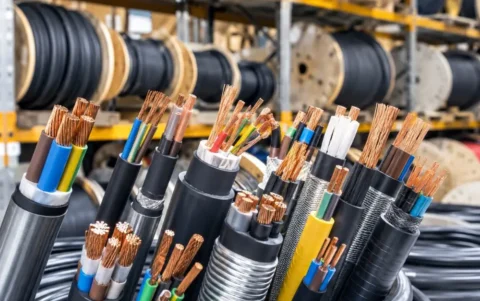
Why Working with Certified Cable Suppliers Matters

Why Working with Certified Cable Suppliers Matters

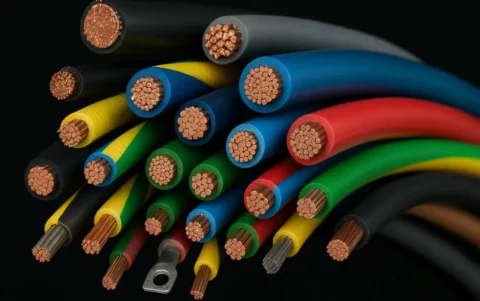
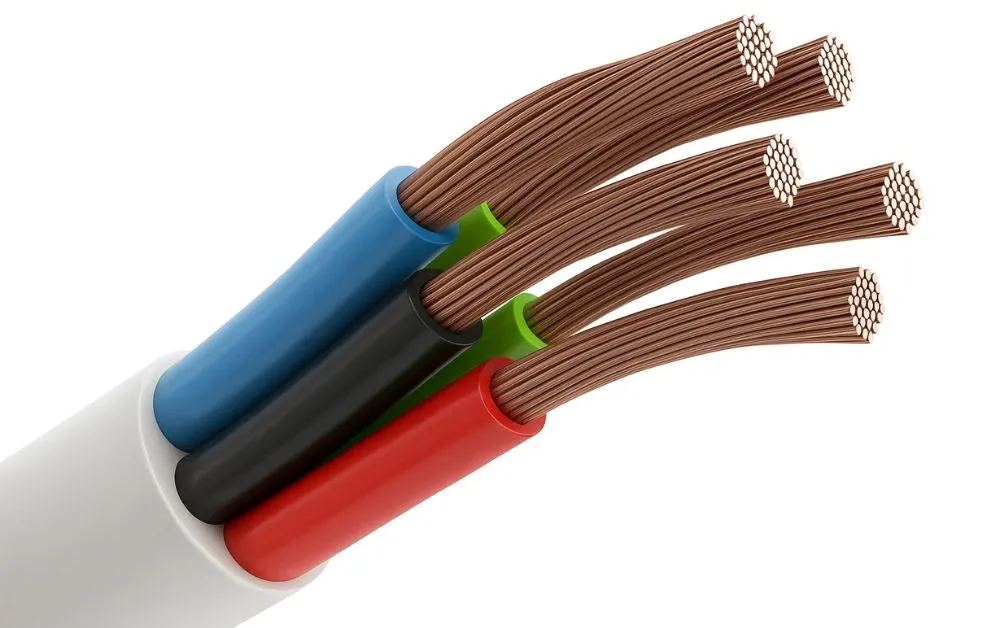
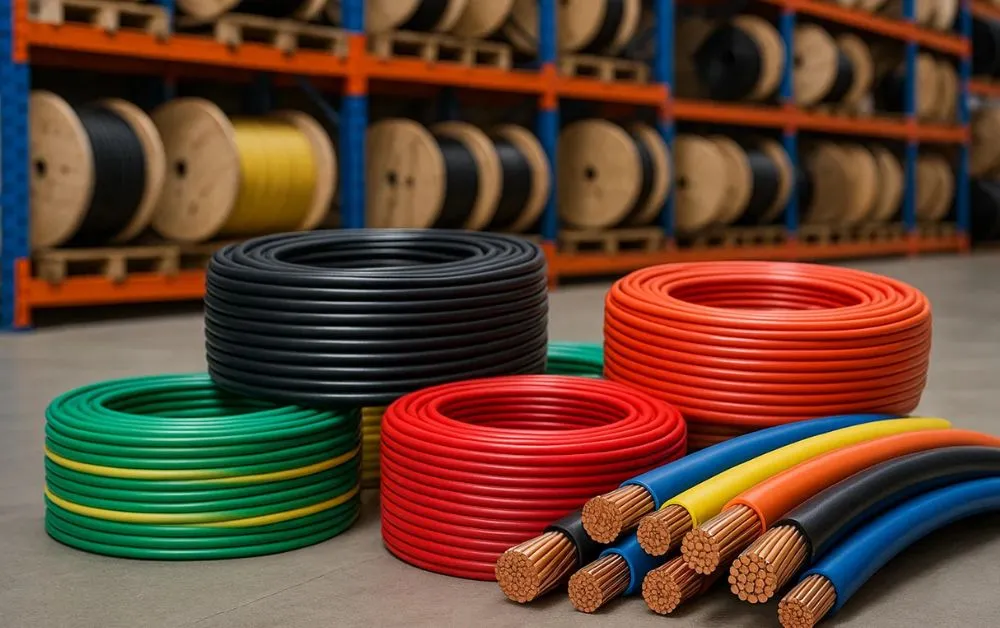
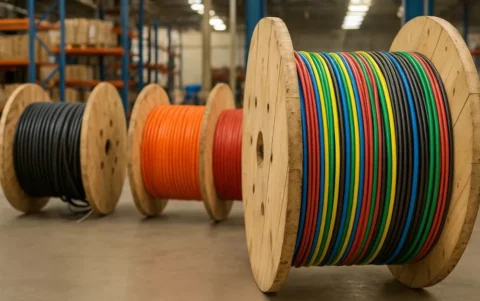
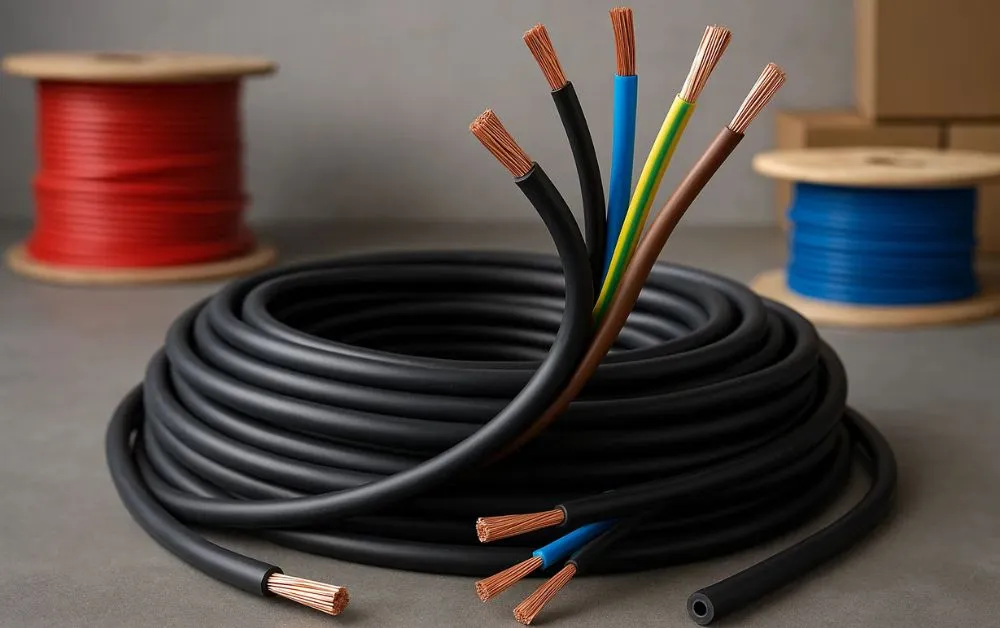
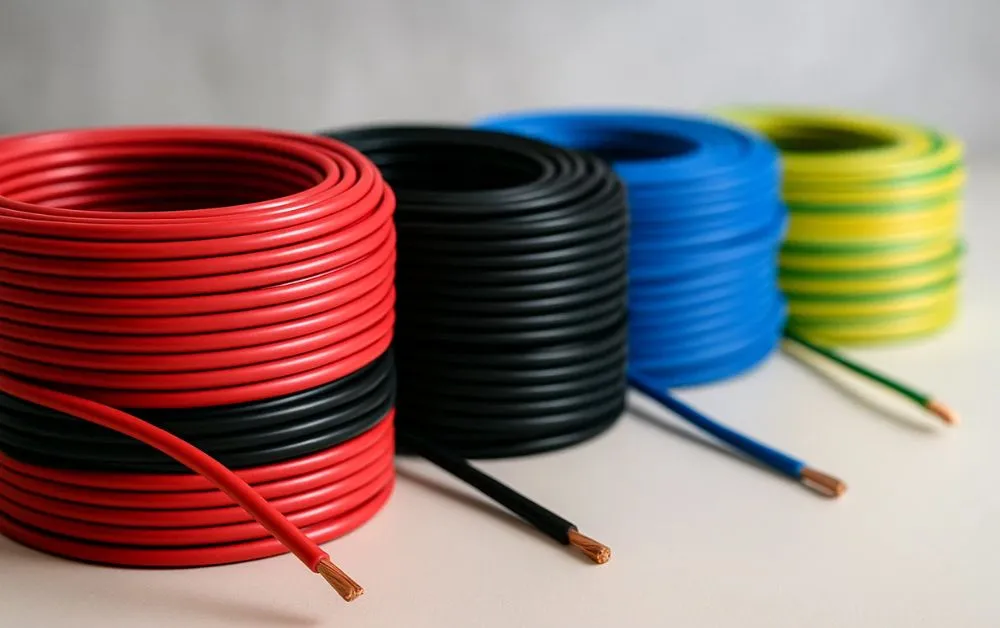
Every electrical installation — from a residential villa in Dubai to a petrochemical plant in Ruwais — depends fundamentally on the quality of the cables carrying power and signals throughout the system. Cables are the circulatory system of any electrical installation, and their quality determines not just the performance of the system but the safety of everyone who lives or works within it. For projects in the UAE, choosing reliable and certified Electrical Cable Suppliers in UAE is not just a best practice recommendation — it is a safety, regulatory, and long-term reliability imperative that cannot be compromised.
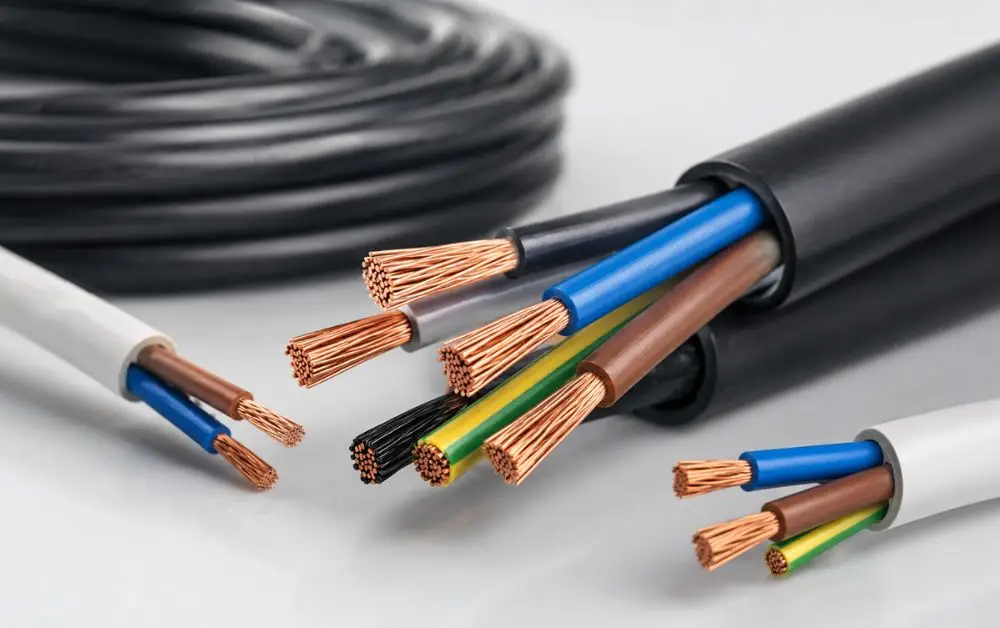
Why Cable Quality Determines Electrical System Safety

Why Cable Quality Determines Electrical System Safety

An electrical cable must perform several critical functions throughout its operational life: it must carry the design current continuously without excessive heat generation, maintain insulation integrity under the UAE climate conditions of extreme heat, UV exposure, and potential moisture ingress, withstand mechanical stresses from installation and ongoing use, and in fire-rated applications, maintain circuit integrity during a fire to keep life-safety systems operational. Cables that fail to meet these requirements create immediate and long-term safety risks that can result in electrical fires, shock hazards, equipment damage, and system failures.

The UAE climate places particularly severe demands on electrical cables. Outdoor cables may be exposed to direct sunlight with UV radiation, ambient temperatures routinely exceeding 45°C, salt-laden coastal air in many locations, and fine sand and dust that can infiltrate poorly designed cable management systems. Certified Electrical Cable Suppliers in UAE source products specifically rated and tested for these conditions, ensuring that the cables they supply will perform reliably throughout their designed service life.

What Cable Certification Actually Means

When Electrical Cable Suppliers in UAE supply certified cables, this means the products have been independently tested and verified by recognized testing bodies to confirm that they meet the performance specifications claimed on the product documentation. Key certifications and standards for cables used in UAE electrical installations include IEC standards including IEC 60227 for PVC-insulated cables and IEC 60502 for power cables with extruded insulation, ESMA certification from the Emirates Authority for Standardization and Metrology which is required for many cable types used in UAE projects, LPCB or equivalent certification for fire-resistant cables used in life safety applications, and UL listing for cables used in projects with international specifications. Certified cables come with test certificates that can be presented during project inspection and commissioning by DEWA, Dubai Municipality, ADDC, or other approving authorities.

Read more-How to Choose the Best Electrical Cable Supplier in UAE

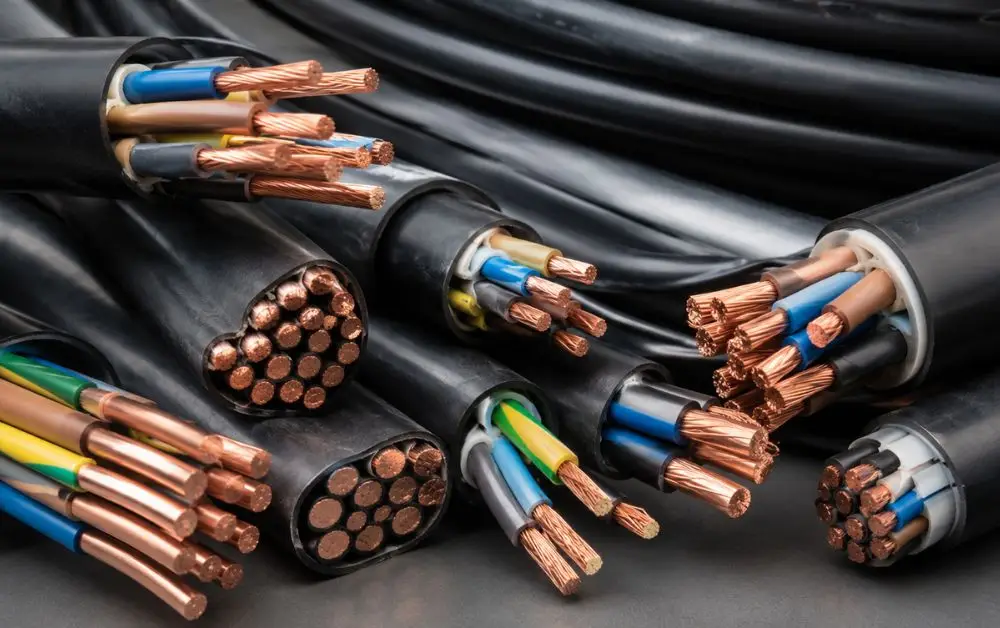
Types of Certified Cables Available from Quality UAE Suppliers

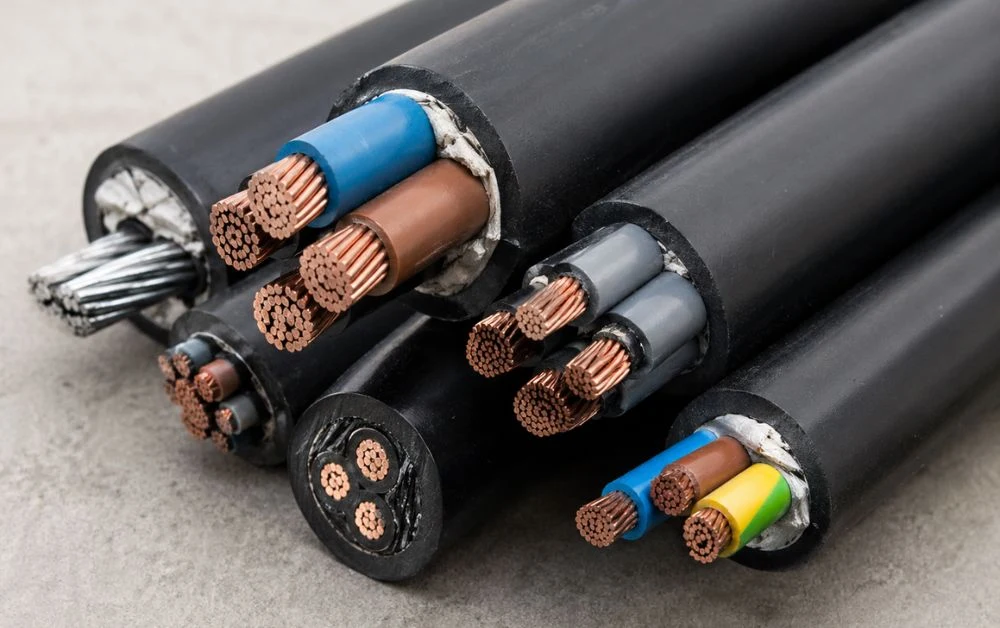
  • Low voltage power cables rated up to 1000V for general power distribution in buildings and industrial installations
  • Medium voltage power cables at 6.6kV, 11kV, and 33kV for substation connections and industrial power distribution
  • Fire resistant cables designed to maintain circuit integrity during fire conditions for life safety and emergency systems
  • Steel wire armoured cables for direct burial and installations requiring protection against mechanical damage
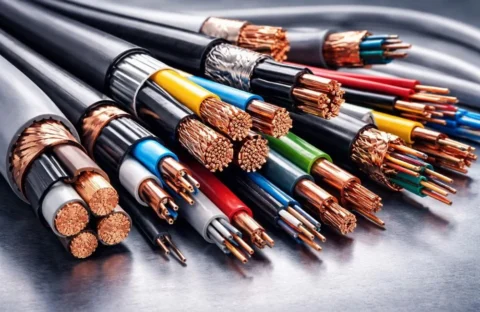
  • Control and instrumentation cables with multiple cores and appropriate shielding for signal integrity
  • Data and communications cables including Cat6, fiber optic, and structured cabling products
  • Marine and offshore cables with special constructions for saltwater and marine environments
  • High temperature cables with silicone or XLPE insulation for use near heat sources and in high ambient temperature environments

The Very Real Risks of Buying from Uncertified Sources

The temptation to reduce project costs by sourcing cables from uncertified Electrical Cable Suppliers in UAE or grey market importers is understandable but genuinely dangerous. Counterfeit or substandard cables may have conductors that are smaller than marked, insulation that degrades rapidly in UAE temperatures, screening that provides inadequate protection against electrical interference, and fire performance characteristics that are far inferior to the certified products they claim to replicate. The consequences of these failures range from nuisance faults and system inefficiencies to catastrophic electrical fires that cause serious property damage, injuries, and fatalities.

Beyond the safety implications, cables that fail to meet certification requirements will not pass inspection by UAE electrical authorities, requiring costly cable replacement before the installation can be energized and commissioned. This remediation cost typically exceeds many times the saving that was made by buying non-certified cable in the first place.

How Al Arz Electrical Supports Your Electrical Projects

Al Arz Electrical is a trusted name among Electrical Cable Suppliers in UAE, providing a comprehensive range of certified electrical cables for residential, commercial, and industrial projects across the UAE. Their product range is sourced from established international manufacturers, and all products are supplied with the technical documentation and certification required by UAE project approval processes. Their experienced team assists customers in selecting the correct cable type, rating, and construction for each specific application, and provides ongoing technical support throughout the project lifecycle.
Types of Certified Cables Available from Quality UAE Suppliers

Conclusion

Working with certified and reputable Electrical Cable Suppliers in UAE is one of the most important commitments any project team can make. It protects the safety of building occupants and users, ensures regulatory compliance with UAE electrical standards, avoids the cost and disruption of remediation when non-certified cables fail inspection, and delivers the long-term electrical system reliability that every installation deserves. Al Arz Electrical Ware Trading brings the product range, certification documentation, and technical expertise that UAE projects need from their electrical cable supply partner.
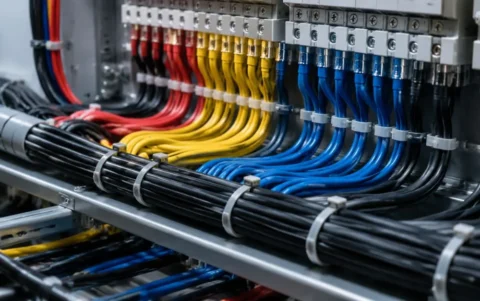
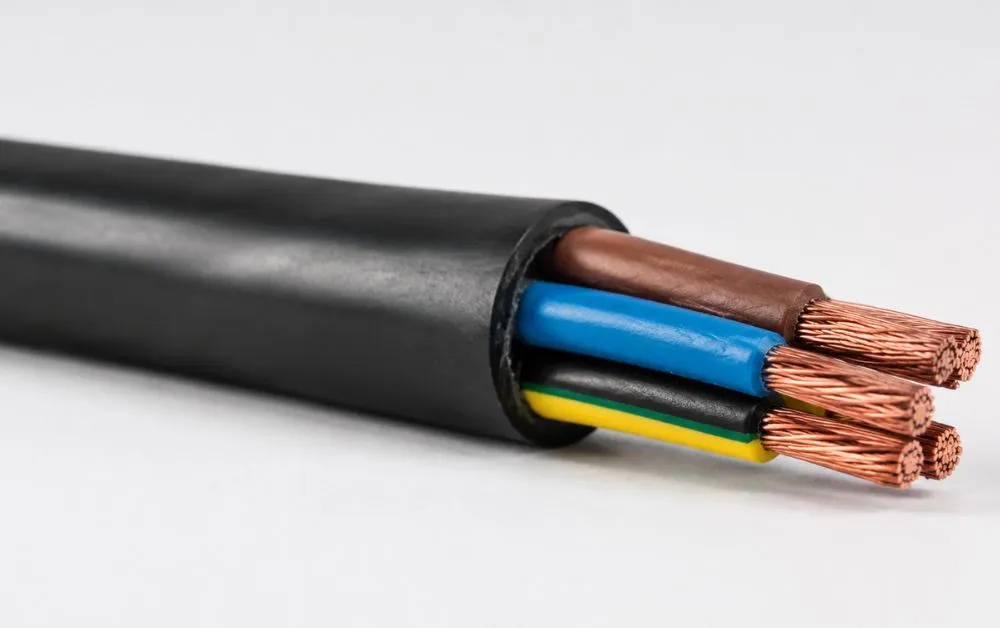
How to Choose the Best Electrical Cable Supplier in UAE

How to Choose the Best Electrical Cable Supplier in UAE

For contractors, project consultants, and facility managers across the Emirates, working with the right Electrical Cable Suppliers in UAE directly impacts project quality, delivery reliability, safety compliance, and ultimately the profitability of every electrical installation project. In a market where cable quality varies enormously — with compliant, tested products from reputable manufacturers sitting alongside non-compliant or mis-specified alternatives — knowing how to evaluate suppliers, specify documentation requirements, and manage cable procurement effectively is a fundamental competency for any serious UAE electrical contractor or procurement professional.

Why Cable Quality and Supplier Selection Is Business-Critical

Why Cable Quality and Supplier Selection Is Business-Critical

Electrical cables are the backbone of every building, infrastructure, and industrial project. Substandard cables — whether due to below-specification copper content in conductors, inadequate insulation thickness, compromised fire performance, or simply non-compliance with specified standards — create genuine safety hazards, fail mandatory inspections, and generate costly rework that eliminates project margin. The UAE’s construction sector operates to internationally recognized standards, and electrical inspectors from Dubai Municipality, DEWA, and Abu Dhabi’s relevant authorities actively test cable samples during inspections. Non-compliant cables fail these tests, requiring complete replacement at the contractor’s cost.

Understanding the UAE Cable Market

The UAE market contains cable products from manufacturers spanning a very wide quality spectrum — from internationally accredited European and Gulf manufacturers producing consistently compliant products to commodity importers offering lower prices but with quality that may not withstand independent testing. Differentiating between them requires specific documentation, not just price comparison and supplier assurance.

Key UAE Cable Categories and Their Applications

  • Low Voltage Power Cables: XLPE or PVC insulated cables for power distribution in commercial buildings, residential developments, and industrial facilities. Standard specifications include BS 6004 (PVC insulated), BS 5467 (XLPE armoured), and IEC 60502 equivalents. Conductor material, insulation thickness, and overall dimensions must match specifications precisely.
  • Fire Resistant (FR/LSOH) Cables: Mandatory under UAE fire code requirements for emergency power circuits, life safety systems, fire alarms, emergency lighting, and public building cable runs. These cables must maintain circuit integrity during a fire for specified periods. Critical specifications include BS 7629, BS 7846, and BS EN 50200 — each with different performance standards. Always verify the specific performance classification required by the project specification and confirm independent test certification from the manufacturer.
  • Armoured Cables (SWA/AWA): Steel or aluminium wire armoured cables for underground installation, mechanical protection applications, and outdoor wiring where cables are exposed to physical damage risk. DEWA has specific requirements for cables used in its network that must be verified against the project’s supply authority.
  • Data and Structured Cabling: Cat6 and Cat6A for copper structured cabling systems supporting up to 10GBase-T networks. Fibre optic for backbone infrastructure. The increasing performance demands of modern building networks — driven by IoT, building automation, and high-density Wi-Fi — mean structured cabling specification deserves careful professional attention.

Read more-How to Choose the Right Electrical Cable Supplier

Documentation Requirements for Quality Assurance

For quality-sensitive projects, the minimum documentation requirement from the electrical Cable supplier for each delivery should include: a Factory Acceptance Test (FAT) report or Mill Test Certificate (MTC) issued by the manufacturer for that specific production run, confirming conductor resistance, insulation resistance, high-voltage test results, and dimensional compliance; a Declaration of Conformity confirming the product meets the specified standard; and ideally, third-party certification from a recognized body — BASEC in the UK, VDE in Germany, or equivalent — providing ongoing independent verification that the manufacturer’s quality management system consistently produces compliant product.

Why Stock Availability Determines Project Success

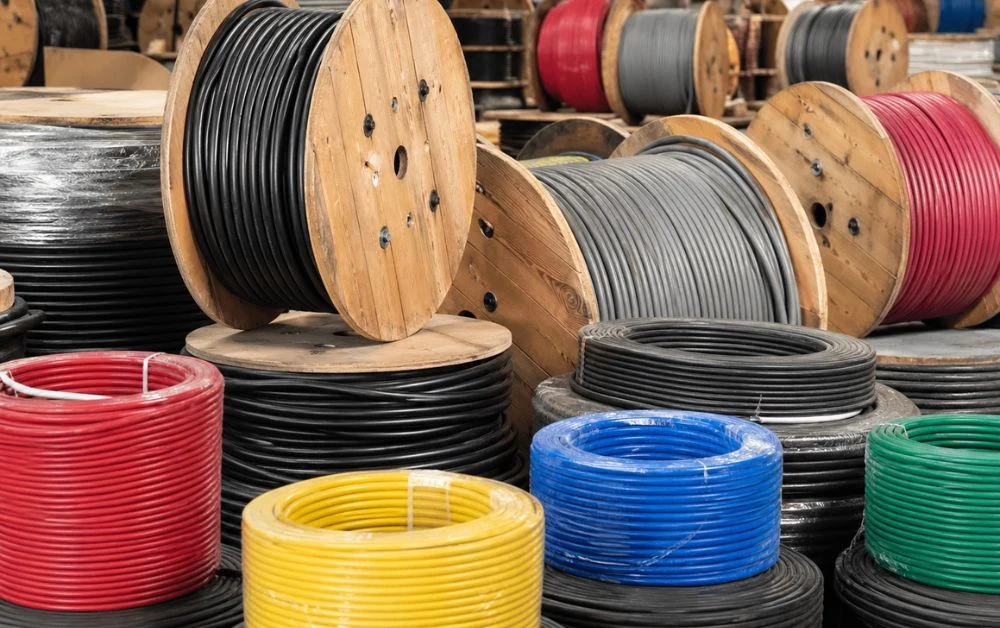
UAE project timelines are typically aggressive, and cable delivery delays directly translate into programme delays that cost contractor’s money and erode client relationships. A supplier with deep, on-the-ground UAE stock across a comprehensive range of cable sizes, voltage ratings, and core configurations can respond to urgent project requirements without the multi-week lead times that order-to-manufacture or sea-freight supply chains impose. In practice, a supplier’s stock profile and delivery capability often matter more than their headline price when total project cost and programme adherence are considered.

Key UAE Cable Categories and Their Applications

Conclusion

Working with reputable Electrical Cable Suppliers in UAE who combine product quality, specification compliance documentation, deep local stock availability, and genuine technical expertise is not a procurement luxury — it is a fundamental requirement for delivering safe, compliant, and profitable electrical installation projects in the UAE’s demanding construction environment. The additional cost of quality, compliant cable from a professional supplier is trivially small compared to the cost of a failed inspection, forced rework, or worse, a safety incident caused by sub-specification product installed in a completed project.

How to Choose the Right Electrical Cable Supplier

How to Choose the Right Electrical Cable Supplier

Electrical cables are the backbone of every building, industrial facility, and infrastructure project. From residential wiring to large commercial developments, the quality of the cables you use directly affects safety, performance, and long-term reliability. With so many products and suppliers available in the market, finding reliable electrical cable suppliers in UAE requires careful evaluation. This guide walks you through what to look for when making this important decision.

Why the Right Supplier Matters Electrical Cable

Why the Right Supplier Matters

Not all electrical cables are created equal. Poor quality cables can fail under load, degrade faster in extreme temperatures, or fail to meet UAE safety standards. Using substandard cables in a project not only risks equipment damage and system failures but can also create serious safety hazards including electrical fires. Choosing a reputable supplier ensures you are getting cables that meet the required standards for the application.

1. Check for Product Certifications and Standards

The first thing to verify when evaluating electrical cable suppliers in UAE is whether their products carry the relevant quality certifications. In the UAE, cables used in construction and industry must comply with standards such as:

  • BS (British Standards) for power cables and wiring
  • IEC (International Electrotechnical Commission) standards
  • UAE-specific regulations and local authority requirements

Ask suppliers to provide documentation confirming that their products have been tested and certified. A reputable supplier will have no issue providing this information.

2. Assess the Range of Products Available

A good electrical cable supplier should offer a comprehensive product range to meet the varied needs of different projects. This includes power cables for high-load applications, control cables for automation and signaling systems, armored cables for underground or outdoor installations, flexible cables for mobile equipment, and fire-resistant or fire-proof cables for safety-critical environments.

Having access to a broad product range from a single supplier simplifies procurement and ensures consistency across your project. Al Arz Electrical, one of the leading electrical cable suppliers in UAE, stocks an extensive range of cables and wiring accessories to meet diverse requirements.

3. Verify Quality Control Processes

Find out how the supplier manages product quality. Do they work with well-known, reputable manufacturers? Do they conduct incoming quality inspections or rely entirely on manufacturer certifications? Suppliers who are proactive about quality control give you much greater confidence in the products you receive.

Related read:-Why UAE Contractors Prefer Trusted Electrical Cable Suppliers

4. Consider Pricing and Value

While cost is always a factor, it should not be the only consideration when choosing from electrical cable suppliers in UAE. The cheapest option is rarely the best when it comes to electrical infrastructure. Instead, focus on value — quality products at a fair, competitive price. A supplier who offers transparency in pricing and is willing to explain cost differences between products is more trustworthy than one who simply offers the lowest numbers without context.

5. Evaluate Delivery and Stock Availability

Project timelines often depend on the timely availability of materials. Before committing to a supplier, find out whether they maintain sufficient stock of the products you need. Delays caused by stock shortages can be costly. A well-stocked supplier with efficient logistics is a reliable partner for both immediate and long-term project needs.

6. Look for Technical Support and Expertise

The best electrical cable suppliers in UAE do more than just sell products. They offer knowledgeable support to help you choose the right cable for your specific application. This might include guidance on cable sizing, current-carrying capacity, temperature ratings, and installation methods. Access to this expertise is particularly valuable for contractors and project managers handling complex installations.

7. After-Sales Service and Warranty

Ask about warranty terms and what happens if a product fails or does not meet specifications. A supplier who stands behind their products with clear warranty terms and responsive after-sales service gives you added protection and peace of mind. Al Arz Electrical has built a strong reputation in the UAE over more than 25 years by offering quality products combined with excellent customer service and technical support.

Electrical Cable Supplier

Conclusion

Choosing the right electrical cable suppliers in UAE involves more than comparing prices. It requires evaluating product quality, certifications, stock availability, technical expertise, and after-sales support. Al Arz Electrical Ware Trading ticks all these boxes, offering a comprehensive range of certified cables and wiring accessories to contractors, traders, and industries across the UAE. Take the time to choose a supplier who matches your project requirements and business standards — it is an investment that pays off in safer, more reliable electrical installations.

Why UAE Contractors Prefer Trusted Electrical Cable Suppliers

Why UAE Contractors Prefer Trusted Electrical Cable Suppliers

In the fast-paced construction industry of the UAE, ensuring that every component of a project meets the highest standards is essential. One of the most critical components of any electrical installation is the quality of the cables used. For contractors, choosing trusted electrical cable suppliers in UAE is more than just a smart move—it’s a must. Here’s why UAE contractors consistently turn to reputable suppliers for their electrical cable needs.

Ensuring Safety and Compliance for Electrical Cable

Ensuring Safety and Compliance

Electrical installations are no joke. Even the smallest wiring issue can lead to serious problems like short circuits, fires, or equipment failures. Trusted electrical cable suppliers understand this and provide cables that meet both international safety standards and local regulations.

For contractors, this means peace of mind knowing that the materials they use are up to code with UAE construction guidelines. Certified cables reduce the risk of accidents on site, keep workers safe, and ensure the building remains reliable for its occupants. On the flip side, using substandard or uncertified cables may lead to costly rework, legal issues, and, of course, safety hazards.

Superior Quality and Durability

The UAE’s climate is no friend to electrical systems. High temperatures and occasional sandstorms can really take a toll on cables. That’s why contractors in the UAE prefer suppliers who offer cables that are built to withstand these harsh conditions.

Trusted suppliers offer cables with top-notch insulation, fire resistance, and mechanical strength. Durable cables not only ensure a reliable power supply but also help keep maintenance costs low in the long run. When contractors choose the right electrical cables, they’re setting projects up for success, especially for commercial, industrial, and high-rise developments that demand longevity.

Consistent Supply and Availability

Construction projects don’t have the luxury of waiting. Tight timelines mean delays in materials can seriously mess up schedules and inflate costs. The last thing a contractor needs is to be waiting on a supplier.

Reliable electrical cable suppliers maintain a consistent inventory, ensuring that contractors get what they need, when they need it. Whether you’re working with low-voltage wiring or high-capacity industrial cables, trusted suppliers offer a wide range of options, making it easier for contractors to get everything they need from one place.

Expert Technical Support

Top-tier electrical cable suppliers don’t just sell cables—they offer technical advice that makes a difference. Contractors need to select the right cables for specific applications, and sometimes that can be tricky.

Experienced suppliers understand the complexities of different types of projects, from residential wiring to large commercial complexes and specialized industrial installations. They guide contractors on the right cable ratings, insulation types, and certifications to make sure everything fits perfectly. This kind of expertise helps contractors avoid costly mistakes and ensures that the electrical systems are safe and efficient.

Read more-How to Ensure Long-Term Safety When Using Electrical Cables in the UAE

Cost Efficiency in the Long Run

We all know that high-quality cables tend to come with a higher upfront cost. But in the world of electrical systems, investing in reliable cables upfront is actually a smarter move for contractors in the long term.

Durable, certified cables reduce the chances of system failures, costly re-installations, and constant repairs. Contractors who choose trusted suppliers save money by minimizing these risks, while also building a reputation for delivering high-quality, reliable projects. So, while it might cost a little more upfront, the long-term benefits far outweigh the initial investment.

Building Trust and Strong Relationships

The construction industry is all about teamwork, and contractors know that building trust with suppliers is crucial. Working with a trusted electrical cable supplier means consistency and reliability, which strengthens relationships with clients, architects, and engineers.

These relationships pay off. Reliable suppliers offer timely deliveries, after-sales support, and product guarantees—helping contractors stay on track with project timelines and meet client expectations. Over time, these partnerships become valuable, making future projects run more smoothly and often leading to repeat business.

Innovation and Access to Advanced Products

The best electrical cable suppliers don’t just keep up with the times—they push the envelope. They offer innovative solutions like fire-resistant cables, energy-efficient wiring systems, & specialized industrial cables that help contractors stay ahead of the curve.

By partnering with a supplier who embraces new technologies, contractors ensure their projects are meeting modern standards and sustainability expectations. This helps them stay competitive in an industry where cutting-edge solutions are increasingly in demand.

Innovation and Access to Advanced Products for Electrical Cable

Conclusion

The choice of electrical cable supplier is more important than most people realize. It directly impacts the safety, efficiency, & success of construction projects. Contractors in the UAE prioritize trusted suppliers for their commitment to quality, reliability, technical expertise, and long-term cost efficiency.

If you’re looking for durable, certified, and reliable electrical solutions, Al Arz Electrical Ware Trading is a trusted partner.

How to Ensure Long-Term Safety When Using Electrical Cables in the UAE

How to Ensure Long-Term Safety When Using Electrical Cables in the UAE

Electrical safety isn’t just about proper installation—it’s a comprehensive process that starts with selecting the right cables and continues through careful handling, installation, and ongoing maintenance. In the UAE, where extreme temperatures, high humidity, and heavy electrical loads are common, it’s especially important to follow proper safety practices to ensure the longevity & reliability of your electrical systems. Here are some practical steps to guarantee long-term safety when using electrical cables in residential, commercial, and industrial settings.

Choose the Right Cable for the Application

Choose the Right Cable for the Application

Not all cables are designed for every purpose. Picking the correct cable type based on its specific application is a fundamental aspect of electrical safety.

Here are some examples:

  • Residential Wiring: Requires cables with proper insulation planned for indoor use.
  • Industrial Setups: Often need cables capable of handling high electrical loads and mechanical stress.
  • Outdoor or Underground Installations: These want cables that are resistant to moisture & UV rays to withstand environmental exposure.

Using the wrong cable type can significantly reduce its lifespan & increase the risk of failure, so always ensure that the cable you choose matches its intended use.

Buy Only from Reliable Suppliers

One of the most crucial yet often overlooked safety considerations is the source of the cable. While it might seem tempting to go for cheaper options, using low-quality or counterfeit cables can lead to severe safety hazards down the line.

Purchasing from reputable electrical cable suppliers in UAE ensures that you’re getting products that are tested, certified, & compliant with local safety standards. Trusted suppliers also offer technical support to help you choose the best cable for your project’s specific needs, reducing the risk of mistakes during installation.

Check Insulation Quality and Material

The insulation of a cable is critical to its safety and longevity, especially in the UAE’s hot climate. Poor-quality insulation can degrade quickly, increasing the risk of electrical faults and fires. Look for cables with:

  • Heat-resistant insulation that can handle high ambient temperatures.
  • Flame-retardant properties to prevent fires in case of electrical faults.
  • Strong resistance to moisture and chemicals, especially in environments prone to such exposure.

Using cables with substandard insulation can lead to severe consequences, so it’s essential to check that the insulation quality is high and that it is rated for the conditions in which the cable will be used.

Ensure Proper Installation Practices

Even the best-quality cables can become hazardous if they are installed incorrectly. Professional installation is main to ensuring that cables are properly routed, supported, & terminated.

Here’s what to keep in mind during installation:

  • Avoid sharp bends that can stress the conductors and lead to failure.
  • Use proper cable trays or conduits to protect cables from physical damage.
  • Ensure secure connections & correct terminations to prevent loose contacts or overheating.

Improper installation can lead to long-term issues like voltage drops, overheating, or even short circuits, so it’s worth investing in professional installation services to ensure everything is done correctly.

Avoid Overloading Electrical Cables

Overloading is one of the most common causes of electrical cable damage. Each cable has a defined current-carrying capacity, and exceeding it can cause insulation breakdown & conductor failure.

To avoid overloading:

  • Accurately calculate the load needs for your installation.
  • Use cables that have appropriate current ratings for the load they will carry.
  • Avoid connecting additional loads without first evaluating the system’s capacity.

Planning the system’s capacity from the start will help ensure that cables can handle the electrical demands safely over the long term.

Additional resources-Understanding Electrical Cable Standards & Labels You Should Know

Protect Cables from Environmental Damage

Exposure to environmental factors like heat, dust, humidity, and mechanical wear can severely impact cable performance, especially in the UAE. To ensure that cables last as long as possible, take steps to protect them from these elements:

  • Use conduits or trunking to shield exposed cables.
  • Pick armored cables for areas with high mechanical stress.
  • Keep cables away from direct heat sources to prevent insulation damage.

These precautions will help reduce wear & tear, ensuring that the cables continue to perform safely & efficiently.

Conduct Regular Inspections & Maintenance

Long-term safety depends on regularly inspecting cables for signs of wear, damage, or potential failure. Scheduling routine inspections aids identify problems early, like cracks, discoloration, or loose connections, before they lead to more serious issues.

Performing regular maintenance will ensure that any issues are addressed before they become safety hazards. This is especially important in commercial and industrial settings, where continuous operation means cables are exposed to higher stress.

Replace Aging or Damaged Cables Promptly

Even the highest-quality cables have a finite lifespan. Over time, insulation can degrade, and conductors can lose their effectiveness. Look for these signs that indicate it’s time to replace your cables:

  • Frequent tripping of circuit breakers or fuses.
  • A burning smell near cable routes, indicating overheating.
  • Visible insulation damage or cracks that expose the conductor.

Replacing aging or damaged cables promptly reduces the risk of electrical failure and ensures ongoing safety in your electrical system.

Replace Aging or Damaged Cables Promptly

Conclusion

Ensuring long-term safety when using electrical cables in the UAE involves a combination of selecting the right materials, following proper installation techniques, & conducting regular maintenance. By understanding local standards, sourcing cables from trusted suppliers, & taking measures to protect & maintain them, you can ensure the safety and reliability of your electrical systems for years to come.

For dependable electrical solutions that meet the highest safety standards, Al Arz Electrical Ware Trading offers a wide range of certified cables, along with expert guidance to help you make the right choice for your project.

Understanding Electrical Cable Standards & Labels You Should Know

Understanding Electrical Cable Standards & Labels You Should Know

When it comes to powering homes, businesses, & industries, electrical cables are the unsung heroes of modern infrastructure. However, picking the correct cable is not just about performance—it is about ensuring safety & meeting regulatory standards. For anyone in the UAE, whether you’re a contractor, business owner, or homeowner, understanding electrical cable standards and labels is key to making smart, informed decisions. This guide will aid you navigate through the essential standards & labels to look for when sourcing cables and why it matters to work with reliable electrical cable suppliers in UAE.

What Cable Labels Tell You

What Cable Labels Tell You

When you are picking out cables, labels can give you a quick snapshot of important details like voltage ratings, material types, & more. Understanding these labels is crucial to making the right choice. Here are some of the most common labels you’ll come across:

1. Voltage Rating

This shows the maximum voltage a cable can safely carry. Labels like 300/500V or 0.6/1kV are commonly used for low to medium voltage applications. It is crucial to pick a cable with a high enough voltage rating—choosing one that’s too low could lead to insulation breakdowns & serious hazards.

2. Conductor Material

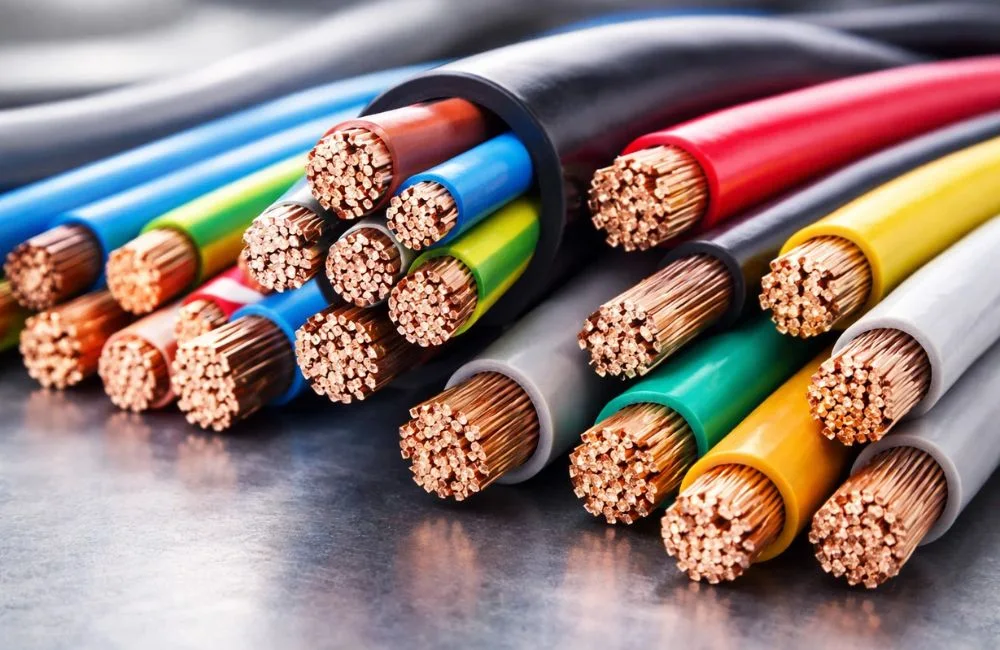
The conductor material is usually copper (Cu) or aluminum (Al). Copper is favored for its conductivity & flexibility, while aluminum is lighter & more cost-effective for long-distance use.

3. Insulation Type

The insulation material protects the conductor & prevents electrical shocks. Here are some common types

    • PVC (Polyvinyl Chloride): Widely used for general wiring. Affordable and easy to work with.
    • XLPE (Cross-Linked Polyethylene): Resistant to higher temperatures & more durable, making it ideal for industrial environments.
    • LSZH (Low Smoke Zero Halogen): These cables produce less smoke and toxic fumes in case of fire, which is essential in places like public buildings and confined spaces.

4. Cable Size and Current Rating

This is the cross-sectional area of the conductor (measured in mm²), and it tells you how much current the cable can safely handle. For example, 4 mm², 25A means the cable is 4 square millimeters in size & rated for 25 amperes. Picking the right size prevents overheating & energy loss.

5. Fire Resistance and Flame Retardant Labels

Certain cables are designed to be flame-resistant or low-smoke (FRLS) to reduce the risk in case of a fire. These cables are critical in places like hospitals, data centers, & other high-risk environments.

6. Certification Marks

Look for well-known certifications like ISO, UL, or CE. These marks ensure the product complies with global quality and safety standards, which is a big reassurance when it comes to picking cables for safety-critical applications.

Tips for Choosing the Right Cable

Reading the labels is only one part of choosing the right cable. Here are some additional tips to help you make the best decision:

  • Know the Application: Are you wiring a home, office, or an industrial plant? High-demand applications may require cables with higher voltage & temperature ratings.
  • Check for Compliance: Always make sure the cable meets both the UAE’s electrical safety codes and international standards.
  • Consider Environmental Factors: If the cable will be used outdoors or in tough environments, you might want UV-resistant or armored cables.
  • Evaluate Your Supplier: Work with trusted electrical cable suppliers to ensure you are getting genuine, high-quality products with reliable customer support.
  • Plan for the Future: It is often a good idea to choose cables with a slightly higher capacity than you currently need, so you’re ready for any future expansion.

Suggested Read-Understanding Voltage Ratings in Electrical Cables

The Role of Electrical Cable Suppliers

Electrical cable suppliers play an essential role in helping you get the right cables for your wants. They provide access to a wide range of products, from basic residential cables to heavy-duty industrial cables. A good supplier not only offers a variety of cables but also gives guidance on which cables are best for your specific application.

Picking a reputable supplier ensures that the cables you’re buying are compliant with local & international standards. Plus, they often give after-sales support, including installation advice, delivery, & even warranty services, making your life a whole lot easier.

Common Mistakes to Avoid

Even if you’re familiar with standards & labels, mistakes can still happen. Here are a few things to watch out for:

  1. Ignoring Standards: Do not cut corners by using uncertified cables to save money—it could lead to accidents or non-compliance penalties.
  2. Incorrect Sizing: Using cables that are too small for the job can lead to overheating, while cables that are too large are a waste of money.
  3. Mismatched Insulation: Using the wrong insulation for the environment (like using PVC where heat resistance is needed) can shorten the cable’s lifespan.
  4. Overlooking Certification: Always check the certifications on the cables. This ensures they meet the safety & quality standards you need.

By avoiding these common mistakes, you will enhance both the safety & efficiency of your electrical systems, ensuring long-term reliability.

The Role of Electrical Cable Suppliers

Conclusion

Understanding electrical cable standards & labels is key to choosing the right cables for your project, whether you are working on a small residential setup or a large industrial installation. From voltage ratings to insulation types & certifications, every label gives you a must information to make informed decisions.

If you are looking for reliable, certified electrical cables, Al Arz Electrical Ware Trading offers a wide range of high-quality products, expert advice, & excellent customer service, making them a trusted partner for all your electrical needs.

Understanding Voltage Ratings in Electrical Cables

Understanding Voltage Ratings in Electrical Cables

First and foremost, when you’re looking to source electrical supplies, particularly from credible electrical cable suppliers in UAE, understanding voltage ratings is paramount. One of the biggest and leading names in this part of the world, Al Arz Electrical Ware Trading, rises to the top tier in general trading-related operations, offering a complete portfolio of cables, wires, and other related accessories of the highest quality. In this blog, we shall discuss what voltage rating implies in electrical cables, why it is essential, how it is expressed, and how one can go about choosing the right rating for the installation.

Understanding Voltage Ratings in Electrical Cables

What is a Voltage Rating?

A voltage rating is the maximum continuous voltage that a cable is designed to withstand, considering its operating conditions, without impairing safety or performance. According to guidance on manufacturing electrical cables, it is the “reference voltage for which the cable is designed and which serves to define the electrical tests.”

In more practical terms, it conveys to you: “This cable is meant for a system up to X volts (phasetoearth) or Y volts (phasetophase) and any misuse beyond that can lead to insulation failure, overheating, or even fire.”

The rating is often given as U₀/U (sometimes with Um) — where U₀ is the RMS value between a conductor and earth, U is between conductors, and Um is the highest system voltage the cable and its accessories are designed to accommodate.

Why Voltage Rating Matters

The reasons for choosing a cable with a proper voltage rating are:

  • Safety: Higher voltages than those to which a cable is rated can lead to the breakdown of the insulation and result in potential short circuits or fire hazards.
  • Reliability and longevity: a cable operating within its specified rating will perform predictably and last longer. Operating near or beyond it may accelerate the aging of insulation.
  • Costeffectiveness: The use of an overspecified cable, that is, a cable with a much higher voltage rating than the application requires, can be unnecessarily costly and bulky; whereas underspecification invites risk.
  • Standards compliance: Most wiring standards, both local and international, depend on proper voltage ratings for appropriate certification and safety installation.

How Voltage Ratings Are Expressed

Let’s take a look at how voltage ratings are typically labeled and what they mean.

  • The format “U₀/U” is standard. Example: a cable labelled 0.6/1 kV means 600 V (phase to earth) / 1000 V (phase to phase).
  • In everyday lowvoltage installations, ratings such as 300/500 V, 450/750 V, or 600/1000 V are usually seen.
  • Values for medium or highvoltage cables go up, such as: 1.8/3.0 kV, 3/6 kV, 6/10 kV, 12/20 kV, etc.
  • In many AC installations, the nominal system voltage must be less than or equal to the rated voltage of the cable. For DC systems, a factor (often ~1.5×) may apply.

In other words, always verify the marking on the cable and make sure the voltage the cable will be subject to is within its rating, and match the system voltage to the rated voltage of the cable.

Voltage Rating Determination Factors

What influences the rating of a cable? A few key parameters:

  1. Insulation material and thickness: better insulation or thicker layers make for higher voltage ratings. Voltage rating is the amount of electrical stress the insulation can bear before breakdown.
  2. Conductor to earth and conductor to conductor distances: The physical geometry, including proximity of conductors to earth or metallic sheaths, influences U₀ and U values.
  3. The system type and method of grounding will have an effect on the application of the ratings, especially for AC systems.
  4. Installation environment: Temperature, humidity, chemical exposure, or mechanical stress can affect insulation performance — indirectly affecting the safe voltage rating. Voltage rating is independent of current/temperature rating; however, the overall design of the cable must support all the stresses.
  5. Standards & testing: Cables are tested to determine that their insulation can withstand the rated voltage, often with appropriate safety margins. The rated voltage provides the basis for test voltages.

Also Read-Understanding Electrical Cable Standards & Labels You Should Know

Picking the Right Voltage Rating for Your Installation

The following steps and considerations will help in selecting the proper cable voltage rating:

  • Identify the nominal voltage of the system: is it 230 V singlephase, 415 V threephase, or a higher voltage distribution?
  • Match or exceed the system voltage: The rated voltage of the cable, both phasetoearth and phasetophase, shall be equal to or greater than the system voltage.
  • Consider the possibility of future expansion or voltage fluctuations: If your system may see higher voltages, such as industrial supply and/or elevated environmental conditions, choose a cable with extra margin.
  • Account for the environment and installation method: A cable run through hot, confined spaces or exposed to mechanical stress may call for more robust insulation, which may be associated with a higher rating.
  • Consult with supply specialists: Good electrical cable suppliers in the UAE, such as Al Arz Electrical Ware Trading, will be able to advise on the correct cable rating for a particular project and can make sure it meets local regulations, safety standards, and installation methods.
  • Avoid overrating unnecessarily: While some extra margin can be good, overspecification (such as specifying a 6/10 kV cable on a 230 V circuit) may inflate costs and present practical handling/installation issues.

Common Misunderstandings & Mistakes to Avoid

  • Mistaking current rating (ampacity) for voltage rating: These are different properties; a cable can carry a high current but still be limited in voltage.
  • Using a lowvoltage cable in a highervoltage system: Insulation failure may occur.
  • Assuming “highvoltage cable” means “thicker” conductor: Not actual — the insulation design, shielding, and voltage rating count.
  • Ignoring the U₀/U distinction: Especially in multiphase or earthed systems, selection of a cable with the wrong rating phasetoearth can lead to problems.
  • Not adhering to local regulations and standards: You have to fulfill the local wiring rules, standards, and approved cable types in the UAE and GCC region.

Common Misunderstandings & Mistakes to Avoid of Electrical Cables

Conclusion

In brief, understanding voltage ratings in electrical cables is vital for safe, reliable, and cost-effective installations. Be it wiring for a residential building, commercial complex, or industrial setup, proper rating ensures that the insulation will be able to bear the electrical stress along with environmental conditions. As you engage with trusted professionals and suppliers, remember that the right voltage rating is just as crucial as conductor size, insulation type, and installation method. Al Arz Electrical Ware Trading is one of the leading companies in the UAE in the field of general trading and cable supply, making it a reliable choice in electrical cable suppliers in UAE, for those in search of proven supply partners in the region. Working together with a supplier who understands cable ratings, system requirements, and local standards will put you in a perfect position to choose the right cable, minimizing risks and assuring the safety of installation.

Types of Electrical Cables and Their Uses

Types of Electrical Cables and Their Uses

Electrical cables are the lifelines of modern infrastructure, powering homes, businesses, industries, and large-scale projects. They are designed to carry electrical energy safely and efficiently, making them an essential part of every construction and industrial application. Understanding the different types of cables and their specific uses can help in selecting the right one for your needs. Working with reliable electrical cable suppliers in uae ensures access to high-quality products that meet safety and performance standards.

Why Electrical Cables Matter

Why Electrical Cables Matter

Before diving into types, it’s important to understand why cables are so critical:

  • Safety: Proper cables reduce the risk of short circuits and fire hazards.
  • Efficiency: High-quality cables ensure smooth power transmission with minimal energy loss.
  • Durability: Good cables last longer and withstand environmental conditions.
  • Compliance: Certified cables meet international standards, ensuring both safety and performance.

Because of these reasons, industries and contractors emphasize sourcing products only from reputed electrical cable suppliers in uae.

Common Types of Electrical Cables and Their Uses

1. Power Cables

Power cables are used to transmit electricity at high voltages, mainly in power plants, substations, and large-scale industrial facilities. They are designed to handle heavy loads and are insulated to prevent leakage or accidents.

Uses: Power transmission, industrial machinery, and electrical grids.

2. Control Cables

These cables are specifically designed for controlling and regulating systems. They transmit signals to operate equipment like conveyor belts, automation systems, and production machinery.

Uses: Industrial control systems, automation equipment, and signaling.

3. Coaxial Cables

Coaxial cables are widely used for transmitting data, television signals, and internet connections. They consist of a conductor, insulating layer, and shielding to reduce interference.

Uses: Cable TV connections, internet lines, and communication systems.

4. Data Cables

Data cables are used to transfer data and information between systems. These include USB cables, Ethernet cables, and fiber optic cables.

Uses: Computer networks, data centers, and telecommunication.

5. Fire-Resistant Cables

Designed to withstand high temperatures, fire-resistant cables are crucial in areas where safety is a priority. They continue to function even during a fire, ensuring emergency systems remain operational.

Uses: Emergency lighting, fire alarms, and evacuation systems.

6. Instrumentation Cables

These are used for precise transmission of low-energy signals for monitoring and controlling electrical systems. Their design prevents electromagnetic interference, ensuring accurate results.

Uses: Measurement systems, control panels, and industrial automation.

7. Flexible Cables

Flexible cables are highly bendable and suitable for moving machinery or equipment that requires frequent repositioning.

Uses: Portable tools, appliances, and robotics.

8. Armoured Cables

Armoured cables come with protective layers, making them suitable for underground or outdoor installations where physical damage risk is high.

Uses: Underground power supply, outdoor projects, and industrial applications.

9. Solar Cables

With renewable energy projects booming, solar cables are specifically designed for connecting solar panels. They resist UV rays, moisture, and high temperatures.

Uses: Solar power plants, rooftop solar panels, and renewable energy systems.

Explore more-Understanding Voltage Ratings in Electrical Cables

Choosing the Right Cable for Your Needs

When selecting electrical cables, several factors should be considered:

  • Voltage Requirement: Low, medium, or high voltage depending on the application.
  • Environment: Indoor, outdoor, underground, or in harsh conditions.
  • Flexibility: Whether the cable will remain fixed or needs to handle movement.
  • Safety Standards: Always ensure cables are certified and meet international standards.
  • Supplier Reliability: Trusted electrical cable suppliers in uae provide not only the right product but also expert guidance and after-sales support.

Applications of Electrical Cables in the UAE

Given the rapid infrastructure and industrial development in the UAE, electrical cables are in high demand across sectors:

  • Residential: Wiring for lighting, appliances, and home automation.
  • Commercial: Shopping malls, office towers, and hotels require structured cabling systems.
  • Industrial: Factories, refineries, and warehouses use heavy-duty cables for machinery.
  • Infrastructure: Airports, metros, and highways depend on large-scale cable installations.
  • Renewable Energy: Solar farms and wind projects increasingly rely on specialized cables.

Choosing the Right Cable for Your Needs

Conclusion

Electrical cables are not just simple wires; they are the backbone of every modern project, ensuring safety, efficiency, and uninterrupted power supply. From power transmission to data connectivity and renewable energy systems, each cable type has a unique role to play. Choosing the right one requires understanding its purpose, application, and quality standards. This is why working with reliable electrical cable suppliers in uae is crucial. Among the most trusted names in the industry, Al Arz Electrical Ware Trading stands out for offering a comprehensive range of high-quality electrical cables that meet international standards, ensuring safety, performance, and long-term value for every project.

How to Select Signal Cables for Industrial Automation

How to Select Signal Cables for Industrial Automation

In today’s Industry 4.0 environment, signal cables are the lifelines on which control commands, sensor information, and real-time communication ride in automated systems. Selecting the appropriate signal cables is vital in ensuring consistent performance, safety, and effective data transfer in industrial automation configurations. Whether you are upgrading your factory floor or installing a new industrial control system, informed decisions on signal cables can help avoid expensive downtime and communication failures. For companies in the UAE, procuring from trusted suppliers like Al Arz Electrical Ware Trading—a well-known name among transformer suppliers in UAE—guarantees quality and durability in signal cables as well as related electrical parts.

Essential Factors to Consider When Buying Signal Cables

Introduction to Signal Cables in Industrial Automation

Signal cables used in industrial settings are connectors between actuators, sensors, controllers, and other automation devices. They are intended to transmit low-voltage signals and not high power, which makes them best suited for the transmission of data and commands. Unlike typical electrical wiring, these cables are required to resist electromagnetic interference (EMI), vibration, heat, and even chemical exposure in noisy industrial settings.

Selecting the wrong type of signal cable can degrade system performance, cause repeated faults, and raise maintenance expenses. Therefore, knowing the critical parameters and choosing the correct wires engineered for your application is crucial.

Essential Factors to Consider When Buying Signal Cables

1. Signals Being Transmitted

The initial step in the process of selecting signal cables is to define the kind of signals they have to transmit:

  • Analog Signals: These cables transport voltages that change continuously over time. They are prone to interference and need shielding.
  • Digital Signals: These send discrete binary information and are comparatively more robust, but are still helped by shielding in noisy surroundings.
  • Data Communication: Fieldbus protocols such as PROFIBUS, CANBUS, or Industrial Ethernet require cables with precise impedance and frequency specifications.

It ensures the cable matches the signal type to minimize signal degradation and maintain increased system integrity.

2. Shielding Needs

Working environments are full of EMI sources like motors, variable frequency drives (VFDs), and transformers. Noise is reduced, and signal corruption is avoided by shielding:

  • Foil Shielding: Inexpensive and effective at blocking high-frequency EMI.
  • Braided Shielding: Stronger and better for low-frequency EMI and mechanical shielding.
  • Double Shielding: Offers the ultimate protection and is ideal for high-interference environments.

The use of shielded cables is essential when signal integrity is critical, such as in high-speed data communication or sensitive analog applications.

3. Cable Construction and Materials

The construction of a signal cable determines its flexibility, resistance to wear and tear, and longevity in industrial settings. Key elements to evaluate include:

  • Conductor Material: Copper is most commonly used due to its high conductivity.
  • Insulation: PVC, PE, or Teflon provides different levels of heat resistance and flexibility. 
  • Jacket Type: Outer jackets have to be resistant to oil, chemicals, and abrasion. For instance, PUR (Polyurethane) jackets are extremely tough for harsh environments. 

4. Operating Temperature and Environmental Conditions

Signal cables need to be able to withstand the operating environment:

  • Temperature Range: Select cables qualified for the expected ambient and operating temperatures.
  • Chemical Exposure: In spaces where cables are subject to oils, solvents, or cleaning chemicals, chemical-resistant jackets are required.
  • Mechanical Stress: Cables within moving equipment must be capable of continuous flexing and be compatible with drag chains.

Related read:-How to Ensure Long-Term Safety When Using Electrical Cables in the UAE

5. Adherence to Industry Standards

Verify the signal cables meet international and local standards, including:

  • UL/CSA Certification: For fire performance and safety.
  • CE Marking: For European conformity.
  • ROHS Compliance: Verifies that the cable is free from hazardous materials.

For UAE projects, working with providers that recognize regional compliance needs is also essential. Reliable transformer suppliers in the UAE, such as Al Arz Electrical Ware Trading, typically stock signal cables that are both globally and locally compliant.

6. Distance and Voltage Drop

Although signal cables transmit low-voltage currents, extended cable lengths have the potential to cause voltage drops or signal attenuation. The use of appropriate conductor size and impedance in the selected cables ensures signal integrity over longer lengths.

7. Application-Specific Requirements

Various industrial applications require various signal cable types:

  • Fixed Installations: Regular cables with standard insulation and no flex demands.
  • Robotic Arms or Moving Machinery: Very flexible or drag chain cables.
  • Clean Rooms: Low-particulate, halogen-free cable.
  • Outdoor Use: Weatherproof, UV-resistant cables.

A customized solution guarantees maximum performance, safety, and lower maintenance.

Where to Source High-Quality Signal Cables in the UAE

Selecting the correct supplier is just as vital as choosing the proper cable. If reliability, compliance, and durability are considerations, it makes sense to source from a reliable supplier like Al Arz Electrical Ware Trading. As one of the established transformer suppliers in UAE, they offer a wide range of industrial-grade cables, including signal cables, power cables, and control wiring solutions, sourced from globally reputable manufacturers.

Their team can also assist in evaluating your industrial environment and recommending the most suitable cable types, ensuring your automation systems run smoothly and efficiently.

Where to Source High-Quality Signal Cables in the UAE

Conclusion

In every industrial automation system, signal cables are not just accessories but essential components that facilitate communication across systems. Data integrity, system efficiency, and safety—by selecting the appropriate signal cable, you can make a real difference. Considering signal type, shielding, build, environment, and compliance will enable you to make an informed decision for your installation.

For industrial establishments and companies in the UAE, partnering with seasoned providers like Al Arz Electrical Ware Trading—the name that resonates with quality among transformer suppliers in the UAE—guarantees that you not only receive high-quality signal cables but also receive seasoned advice and assistance throughout your project.


Investing in the correct signal cable today will deliver consistent performance, minimize downtime, and enhance automation tomorrow.

5 Mistakes to Avoid When Buying Electrical Wiring Accessories in the UAE

5 Mistakes to Avoid When Buying Electrical Wiring Accessories in the UAE

Whether building a home, building an office, or constructing a new commercial building, buying the correct electrical wiring accessories is essential for safety, efficiency, and eventual cost savings. In the UAE, where building and electrical codes are strictly regulated, making errors while choosing these items could result in safety issues, code failures, and costly replacements.

For your convenience, this blog emphasizes five typical errors to avoid when purchasing electrical wiring accessories within the UAE so your installations are reliable, safe, and compliant. 

Not following UAE Electrical Standards and Regulations

1.Not following UAE Electrical Standards and Regulations

The most critical error for customers is forgetting the local regulations mandated by UAE authorities, including the Dubai Electricity and Water Authority (DEWA) and Abu Dhabi Distribution Company (ADDC). These regulations dictate the electrical accessories permitted in residential, commercial, and industrial structures.

Why it matters:

  • The use of non-compliant or uncertified accessories can cause failed inspections.
  • Non-compliant electrical installations cause fire and safety hazards.
  • You may face legal penalties or be forced to redo the entire setup at your expense.

Tip: Always check that the products comply with the UAE Fire and Life Safety Code of Practice and are certified by ESMA (Emirates Authority for Standardization and Metrology) or equivalent.

2.Compromising on Quality for Lower Prices

In a sea of low-cost options, it’s easy to go for the lowest-priced switches, sockets, conduits, and cable management accessories. But electrical accessories are not where you cut corners.

Why it matters:

  • Low-quality materials melt, spark, or deteriorate over time.
  • Low-quality wiring components cause short circuits and power loss.
  • You’ll spend more on repairs and replacements.

Tip: Search for well-known brands and trusted UAE electrical accessories suppliers that offer warranties and quality documentation. Spending a little extra initially pays for peace of mind and long-term cost savings.

3.Failure to Match Accessories to Load Needs

Each building will have particular load requirements depending on the number of appliances, lighting, and machinery used. Selecting accessories such as wires, sockets, or circuit breakers without regard to the load they must carry is a significant mistake.

Why it matters:

  • Overloading can lead to overheating as well as fires.
  • Incorrect current ratings may unnecessarily trip breakers or not protect a surge.
  • Efficiency and power performance could be compromised.

Tip: Ask an electrical engineer or qualified technician to estimate your load needs before choosing accessories: pair wires, breakers, and terminals with their corresponding voltage and amp rating.

Explore more-Understanding Electrical Cable Standards & Labels You Should Know

4.Ignoring Environmental Suitability

The UAE environment is special. Extreme heat, sand, humidity, and sea air can impact the lifespan and safety of your electrical installations. Choosing indoor-rated wiring accessories for exterior or industrial applications is a typical error.

Why it matters:

  • Ingress of moisture and dust can corrode parts and cause short circuits.
  • Temperature variations can expand materials, making the connections loose.
  • UV rays can damage plastic casing in low-quality accessories.

Tip: For outdoor or exposed locations, choose IP-rated (Ingress Protection) and weatherproof accessories made especially for the UAE’s harsh weather conditions. Stainless steel, thermoplastic, and flame-retardant materials are good options.

5.Not Sourcing from Authorized Distributors

Most customers unknowingly buy fake or old electrical wiring accessories from unapproved sellers or internet stores in hopes of getting a bargain.

Why it matters:

  • Fake goods can look like the originals but don’t have safety requirements.
  • You could not receive after-sales assistance, warranty, or installation instructions.
  • Outdated or withdrawn products can be incompatible with new systems.

Tip: Purchase exclusively from authorized electrical accessory suppliers or dealers based in the UAE with a physical presence or authentic online presence. These dealers typically deal directly with manufacturers, providing original, current products and support.

Electrical Wiring Accessories

Conclusion

Purchasing electrical wiring accessories in the UAE demands proper attention to product quality, compliance with regulations, environmental factors, and system compatibility. By refraining from the five errors mentioned above, you can make sure that your electrical infrastructure is efficient, safe, and long-lasting.

It doesn’t matter if you order materials for a small flat or an industrial building; always consult professional electricians and reliable suppliers. Spend time on quality accessories and stay current on UAE electrical codes to spare yourself from future hassles and additional expenses.

By being informed and cautious during the selection process, you’ll save money in the long run and protect your property and everyone who uses it.

Remember: Safety is not an option—it’s a necessity. Always turn to a certified expert or approved supplier for guidance when in doubt.