

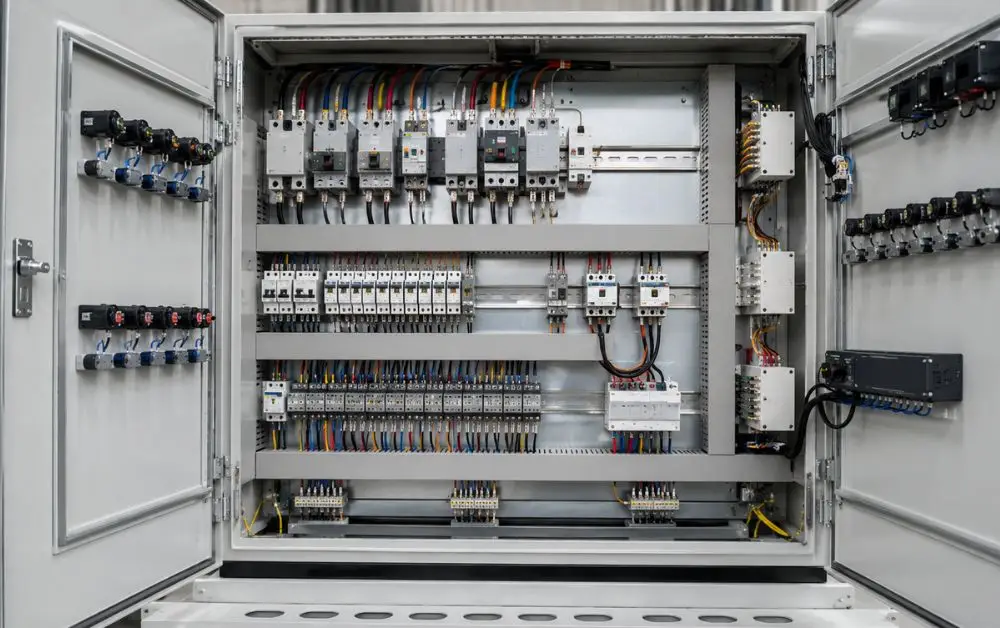
Electrical panels — variously known as distribution boards, main switchboards, sub-distribution boards, or motor control centers depending on their function — are central nodes in every electrical power distribution system. A well-designed and properly built electrical panel keeps power distribution safe, organized, and efficient while being easy for maintenance teams to understand and work on safely. A poorly specified or poorly built panel, by contrast, creates safety hazards, maintenance difficulties, regulatory compliance problems, and expensive remediation work. Understanding the common mistakes made when selecting electrical panels, and working with qualified Electrical Panel Manufacturers in UAE who can help avoid them, protects both the immediate project and the long-term operational integrity of the installation.
Mistake 1: Under-Sizing Future Capacity
The most expensive mistake in electrical panel selection, evaluated over the life of the installation, is specifying a panel with no spare capacity for future load growth. Electrical systems almost always expand — additional equipment, additional circuits, and additional loads are added over time as buildings are adapted and businesses grow. A panel that is specified to exactly current requirements with no spare circuit breaker slots, no spare busbar capacity, and no additional space in the enclosure will require either costly panel replacement or the installation of additional panels when expansion loads are added. Reputable Electrical Panel Manufacturers in UAE always recommend specifying panels with a minimum of 25% to 30% spare circuit capacity at initial installation.
Mistake 2: Selecting an Incorrect IP Rating for the Environment
The IP rating of the panel enclosure determines the level of protection it provides against ingress of solid particles and liquids. Selecting a panel with an IP rating insufficient for its actual installation environment is a mistake that leads to progressive contamination of the panel interior, accelerated corrosion of busbars and connections, insulation degradation, and ultimately premature component failure and safety hazards. In the UAE, where electrical panels may be installed in dusty plant rooms, outdoor locations, car parks, or process areas with washdown requirements, the IP rating selection requires careful assessment of all the environmental conditions the panel will face throughout its operational life. Qualified Electrical Panel Manufacturers in UAE specify enclosure IP ratings based on a thorough understanding of the installation environment.
Mistake 3: Incorrect Busbar Sizing and Bracing
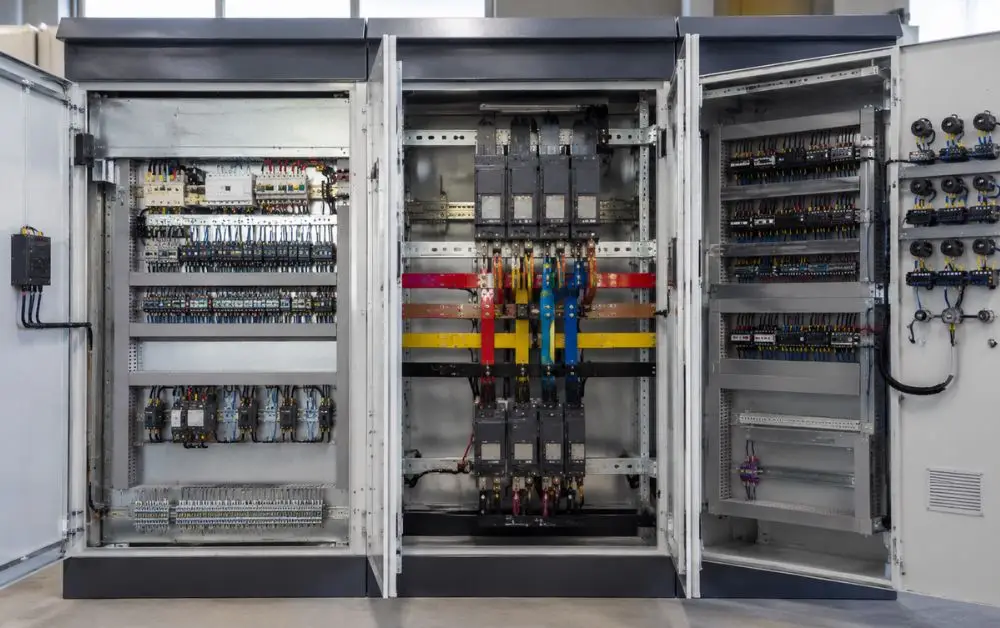
The busbar system is the electrical backbone of a distribution panel. It must carry the full continuous load current without excessive temperature rise, and it must be mechanically braced to withstand the enormous electromagnetic forces generated during a short circuit event. Under-sized busbars overheat under continuous load conditions, causing insulation degradation and potential fire risk. Inadequately braced busbars can fail catastrophically during a fault event, causing explosive damage to the panel and potential injury to personnel in the vicinity. Electrical Panel Manufacturers in UAE with engineering capability verify busbar sizing based on load calculations and determine the required bracing based on the prospective short circuit current at the panel installation point.
Mistake 4: Neglecting Arc Flash Risk Assessment
Arc flash events within electrical panels release enormous amounts of energy in very short time periods — sometimes sufficient to cause severe burns, fires, and structural damage at considerable distance from the source. Modern electrical panel design in industrial and commercial facilities requires arc flash risk assessment to determine the incident energy levels at each panel location, and where these levels are unacceptably high, the implementation of arc flash mitigation measures. These may include arc-rated enclosures, arc fault detection systems, current-limiting fuses, or zone-selective interlocking. Qualified Electrical Panel Manufacturers in UAE are aware of these requirements and design panels accordingly.
See also-Why Investing in Quality Electrical Panels Reduces Operational Costs
Mistake 5: Using Non-Type-Tested Components and Assemblies
IEC 61439 requires that low voltage switchgear assemblies meet specified performance requirements that may be demonstrated through type testing of the complete assembly or through design verification against the type test data of the individual components. Using non-certified components, mixing components from different manufacturers in ways that invalidate the type test basis, or failing to obtain proper verification documentation for the complete assembly can mean that a panel that looks correct and functions normally cannot be certified as meeting the required standards. Reputable Electrical Panel Manufacturers in UAE build panels using certified components and provide the documentation needed to demonstrate standards compliance to approving authorities.
Mistake 6: Inadequate Cable Management Inside the Panel
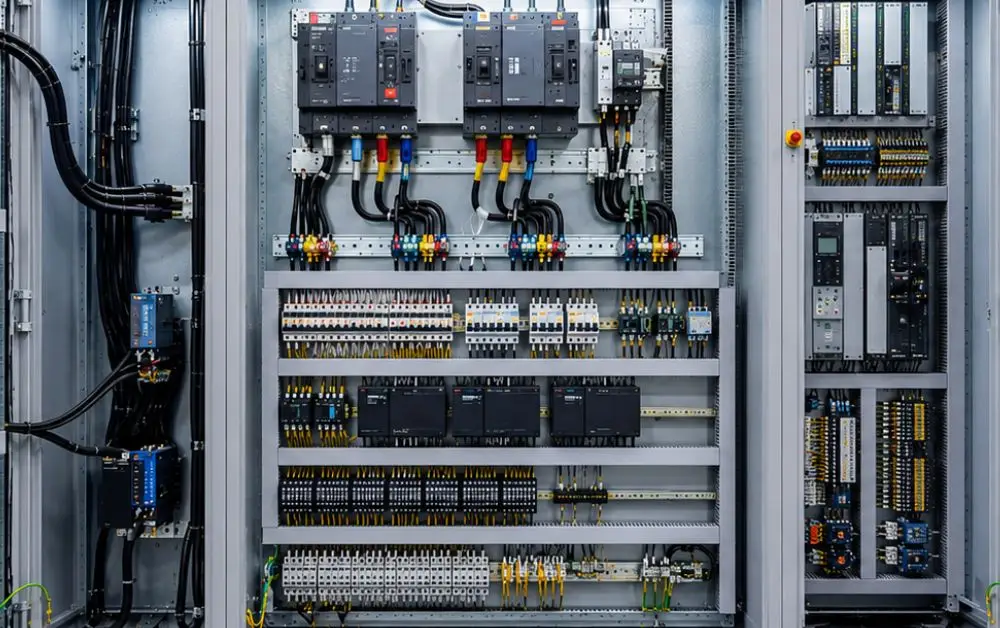
Overcrowded cable runs inside electrical panels create multiple problems. Excess heat buildup from densely packed cables degrades insulation over time. Difficult-to-navigate cable arrangements make fault-finding and maintenance work slow and hazardous for maintenance personnel. Lack of clear identification of cables adds further time and risk to maintenance activities. Well-designed panels from qualified Electrical Panel Manufacturers in UAE incorporate dedicated cable management channels, adequate separation between power and control cables, generous bend radii at all cable routing changes, and comprehensive cable and circuit identification to support safe and efficient maintenance throughout the panel’s operational life.
Mistake 7: Specifying Panels Without Factory Acceptance Testing
Factory acceptance testing of completed electrical panels at the manufacturer’s facility before delivery allows any design errors, wiring mistakes, component failures, or assembly defects to be identified and corrected in a controlled workshop environment. Skipping factory acceptance testing to save time or money is a false economy — the cost of identifying and correcting problems on site after panel installation and during project commissioning is many times higher than the cost of resolving the same issues in the factory. Qualified Electrical Panel Manufacturers in UAE support factory acceptance testing as a standard part of their quality process.
Al Arz Electrical: Electrical Panel Manufacturer in UAE
Al Arz Electrical is an established name among Electrical Panel Manufacturers in UAE in the UAE, providing custom-engineered electrical panels for commercial, industrial, and infrastructure projects. Their engineering and manufacturing team designs panels to meet project specifications and UAE regulatory requirements, uses certified components from recognized brands, and supports factory acceptance testing before delivery to site. Their comprehensive after-sales support ensures that installed panels are properly maintained and modified safely when operational requirements change.
Conclusion
Avoiding the common mistakes in electrical panel selection and procurement requires the expertise of qualified engineers and experienced manufacturers who understand both the technical requirements and the regulatory context of electrical installation in the UAE. Partnering with reputable Electrical Panel Manufacturers in UAE like Al Arz Electrical Ware Trading ensures that every panel is correctly designed, properly constructed, fully certified, and thoroughly tested before delivery, protecting the safety, reliability, and compliance of the electrical installation throughout its operational life.