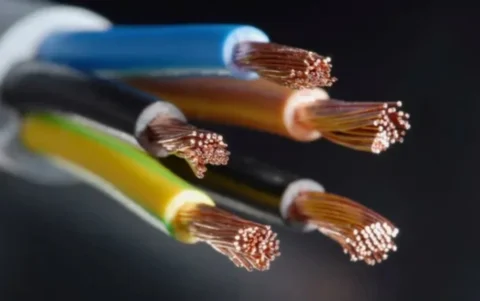
Understanding the Basics of Electrical Cable Types and Uses

Understanding the Basics of Electrical Cable Types and Uses

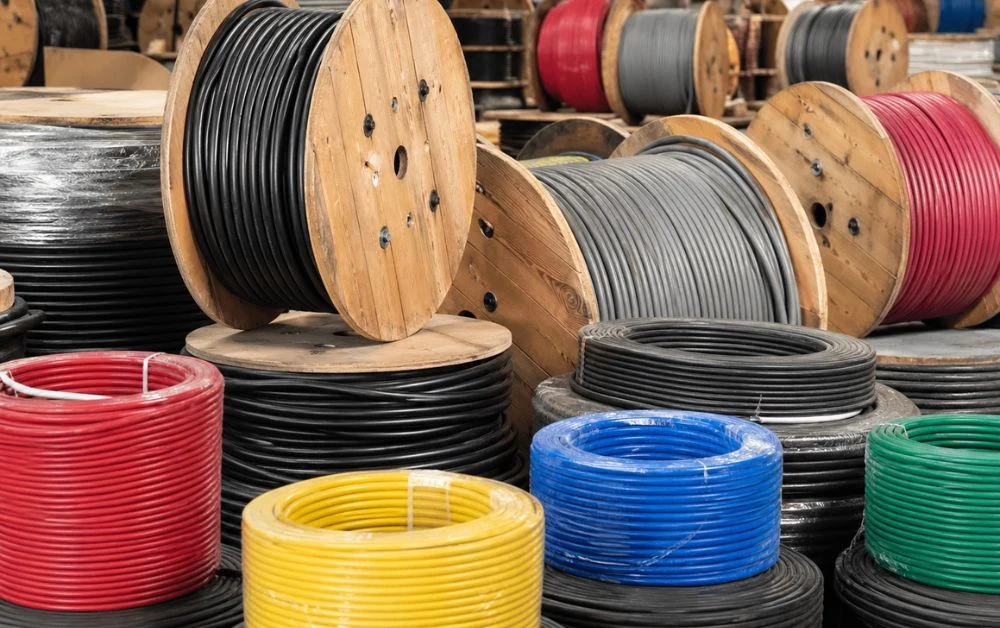
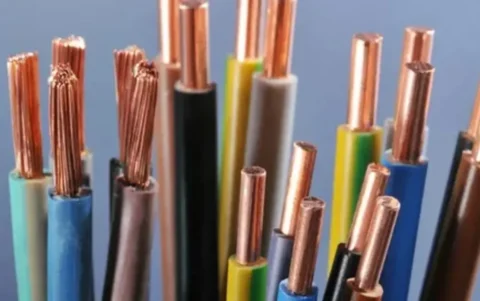
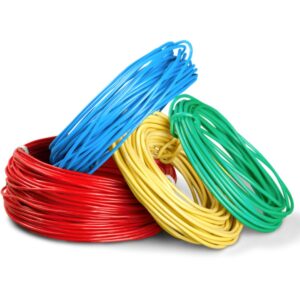
Electrical cables are one of the most critical components of today’s society as they provide electricity to homes, industries, and technologies. Selecting the correct cable type for form, function, and longevity is most important. Here are the basics of electrical cable types that may guide you in choosing wired products to be incorporated into various projects.

What Are Electrical Cables?

What Are Electrical Cables?

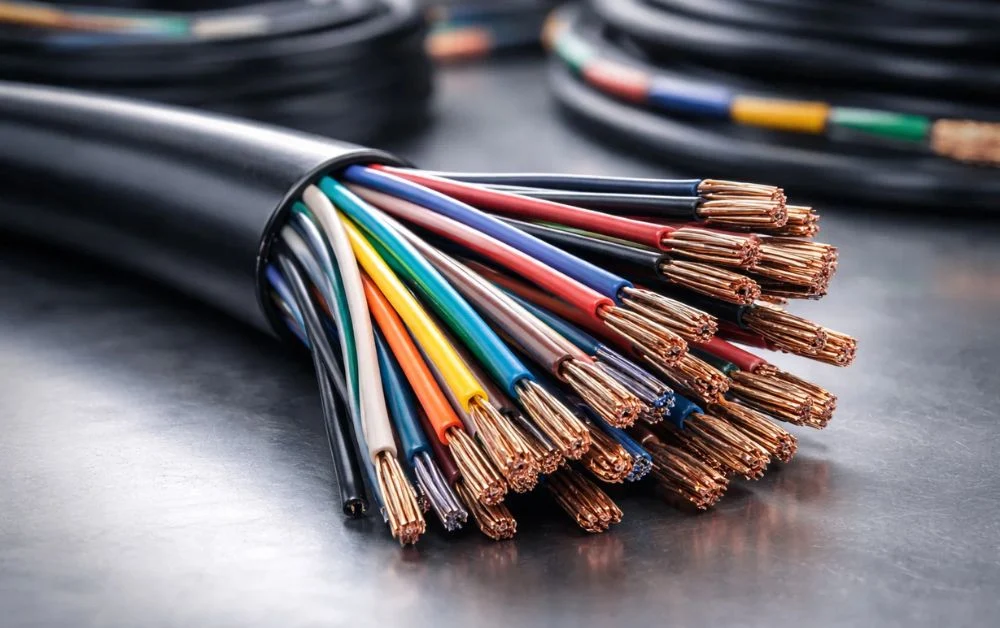
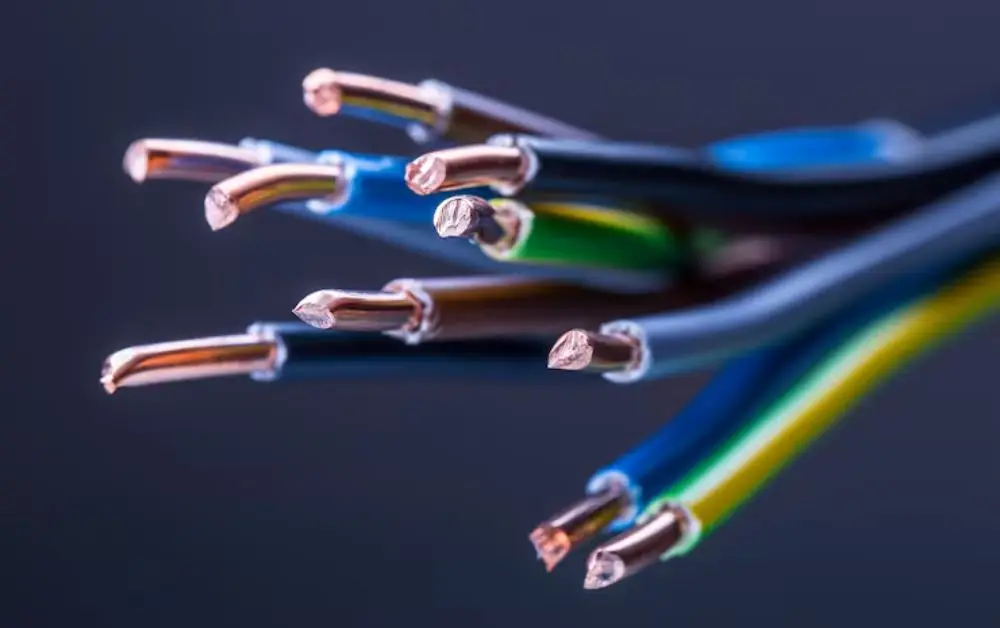
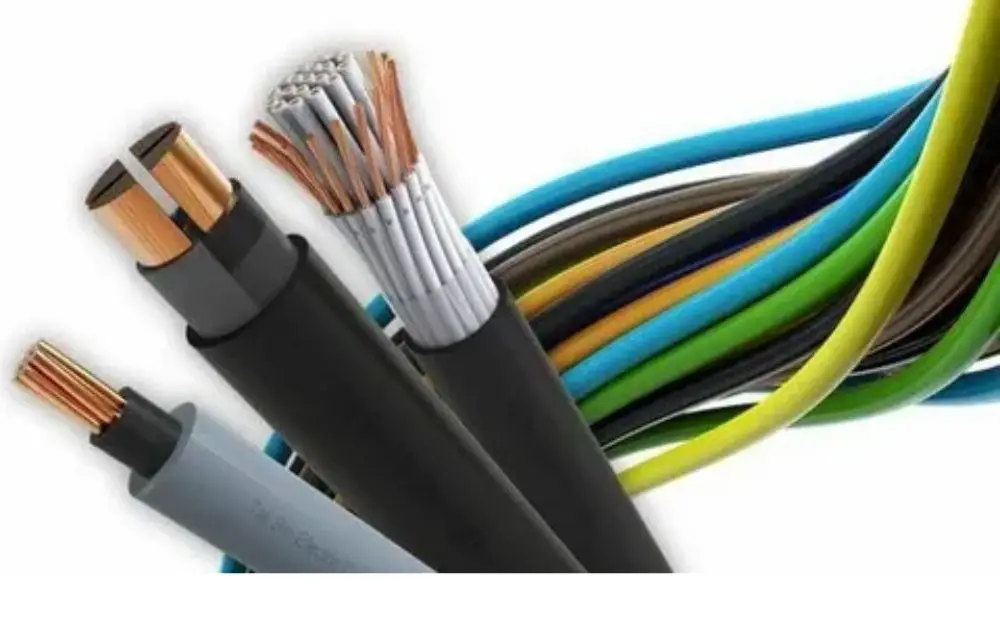
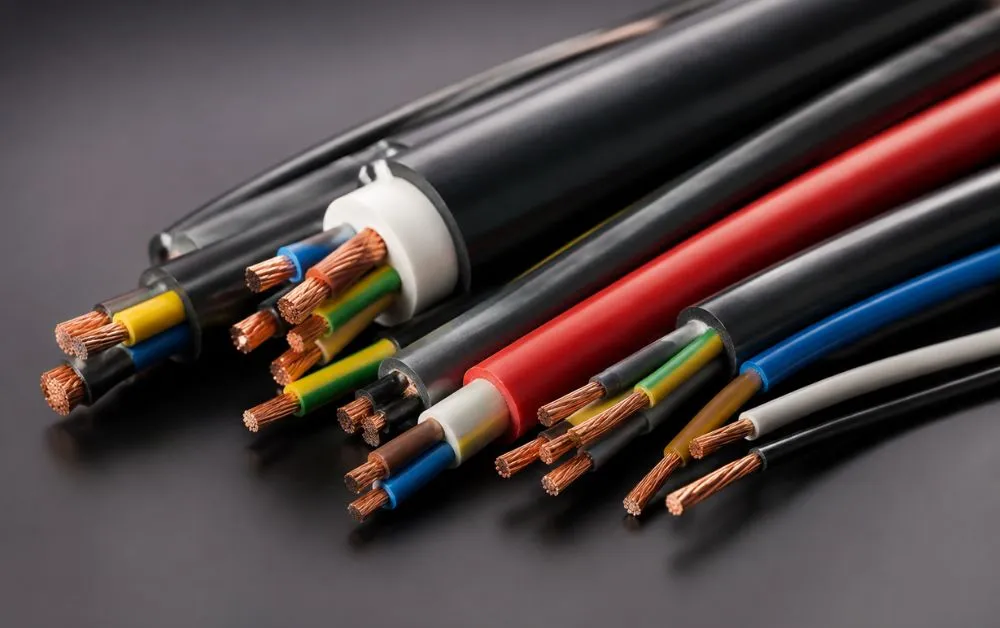
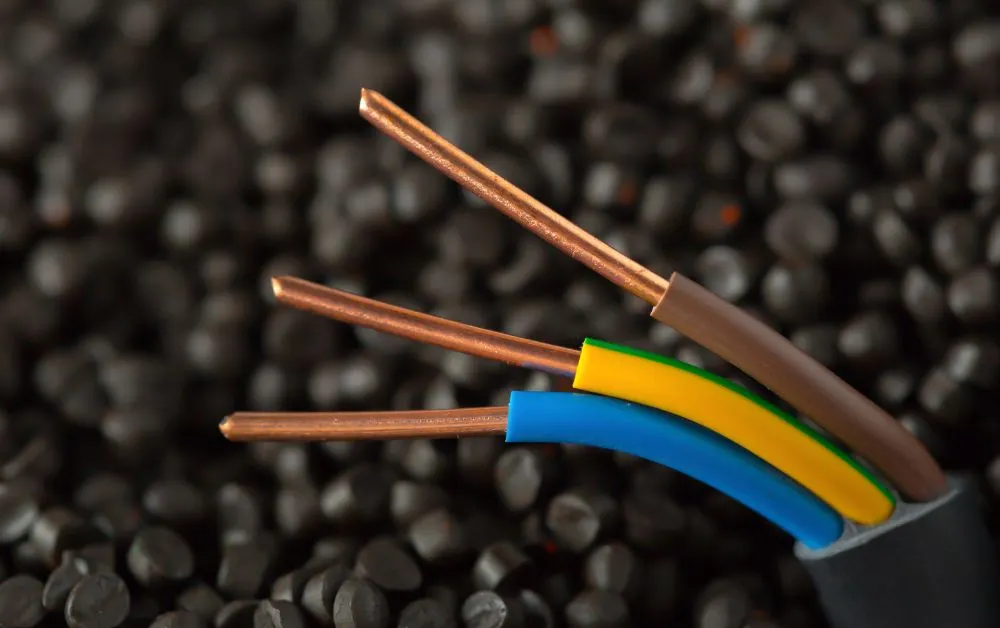
One or more insulated conductors form electrical cables to transmit electrical power or signals. There are several types of cables, depending on the material used, the type of insulation, the maximum voltage, and the usage purpose. They signify how they are built based on their usefulness and degree of safety in such places.

Types of Electrical Cables


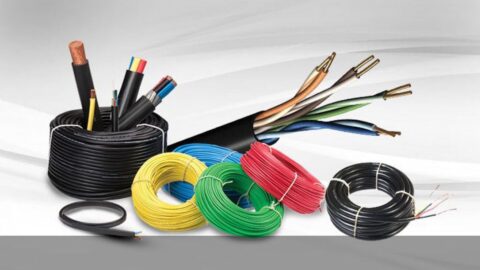
1.Power Cables

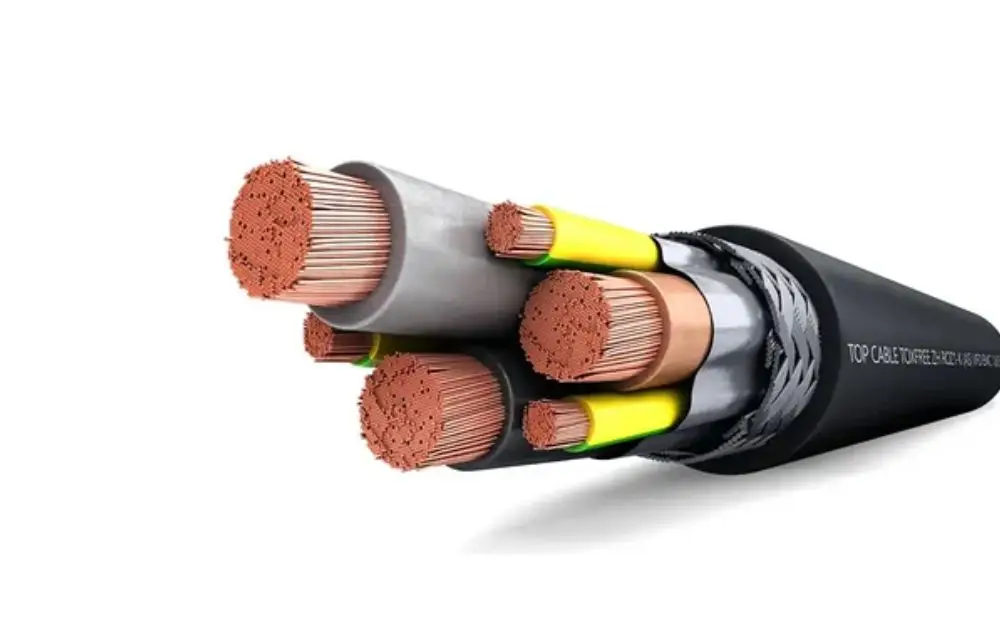
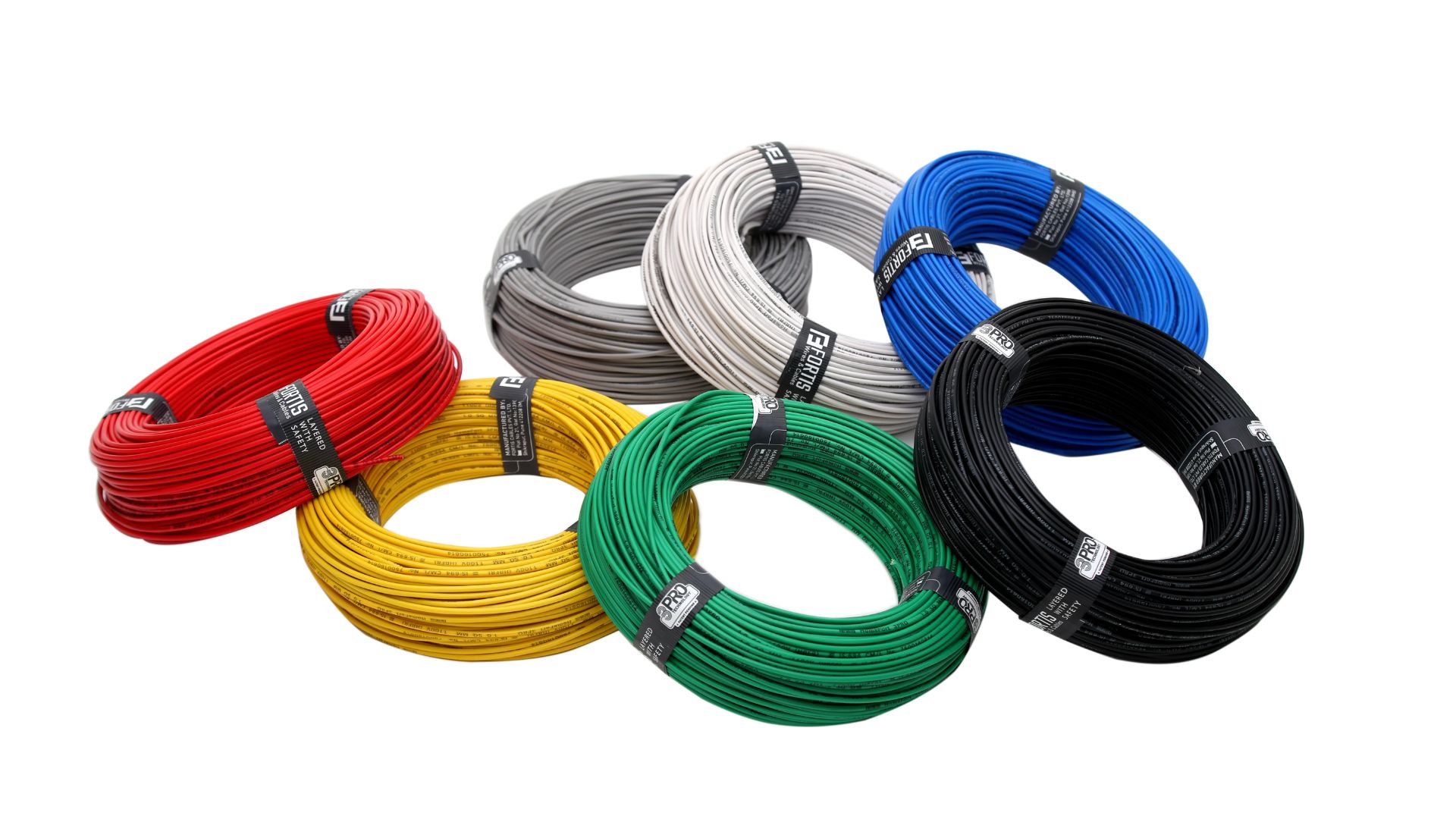
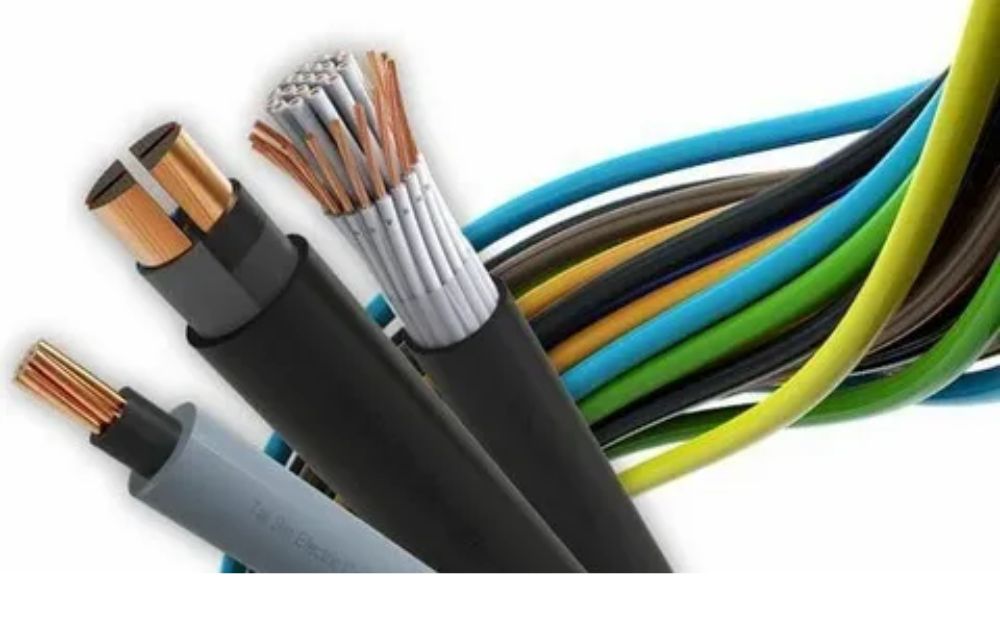
Electric cables deliver power or electrical energy from the power-station to an appliance or an electrical system. Found in homes and various industries, they are durable and practical for withstanding high voltage in energy transmission.

2.Control Cables

Control cables are designed for transmitting signals and controlling systems such as automation equipment. These cables are flexible, resistant to interference, and vital for industrial machinery and robotics.

3.Coaxial Cables

Used for signal transmission in television, internet, and telecommunication systems, coaxial cables provide excellent signal integrity over long distances. Their shielding minimizes interference, ensuring superior signal clarity.

4.Data Cables

Data cables, such as Ethernet cables, enable communication and data transfer between devices. Widely used in networking and IT infrastructure, these cables support high-speed internet and seamless connectivity.

5.Flexible Cables

Flexible cables are used in environments requiring movement, such as in machinery or appliances. Their durability and adaptability make them ideal for dynamic applications, ensuring reliable performance over time.

6.Underground Cables

Designed for buried installations, underground cables are insulated and armored to withstand environmental factors like moisture, pressure, and temperature fluctuations. These cables are essential for urban power distribution and renewable energy systems.

Factors to Consider When Choosing Electrical Cables


1.Voltage Rating

Selecting a cable that can handle the voltage level required for your application is crucial. Using a cable with a lower voltage rating can lead to overheating, short circuits, or even fire hazards.

2.Environment

Cables used outdoors must be weatherproof and UV-resistant, while indoor cables should align with specific environmental demands such as heat resistance, moisture resistance, or flexibility.

3.Material

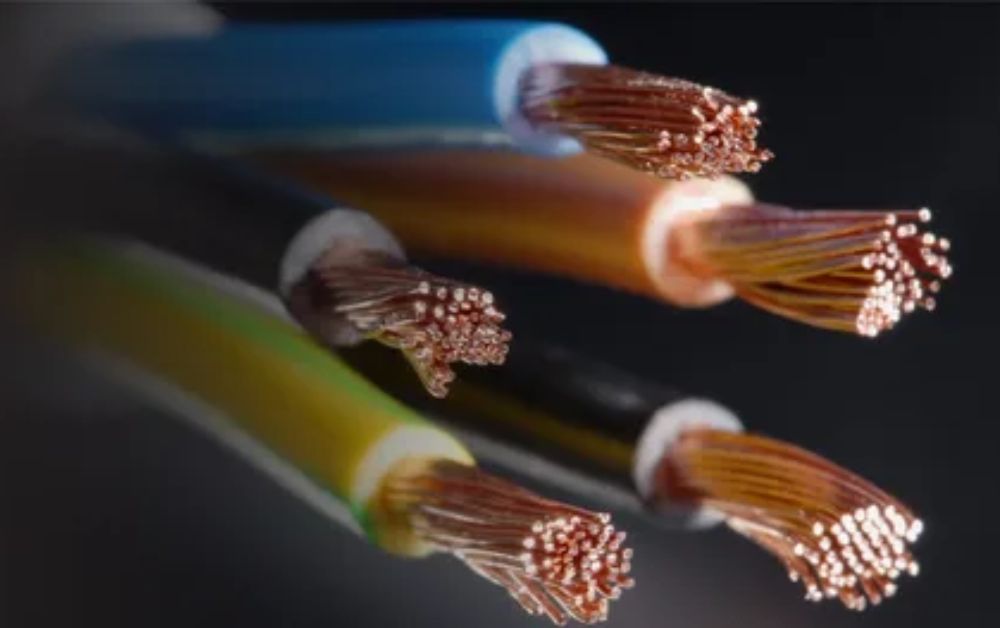
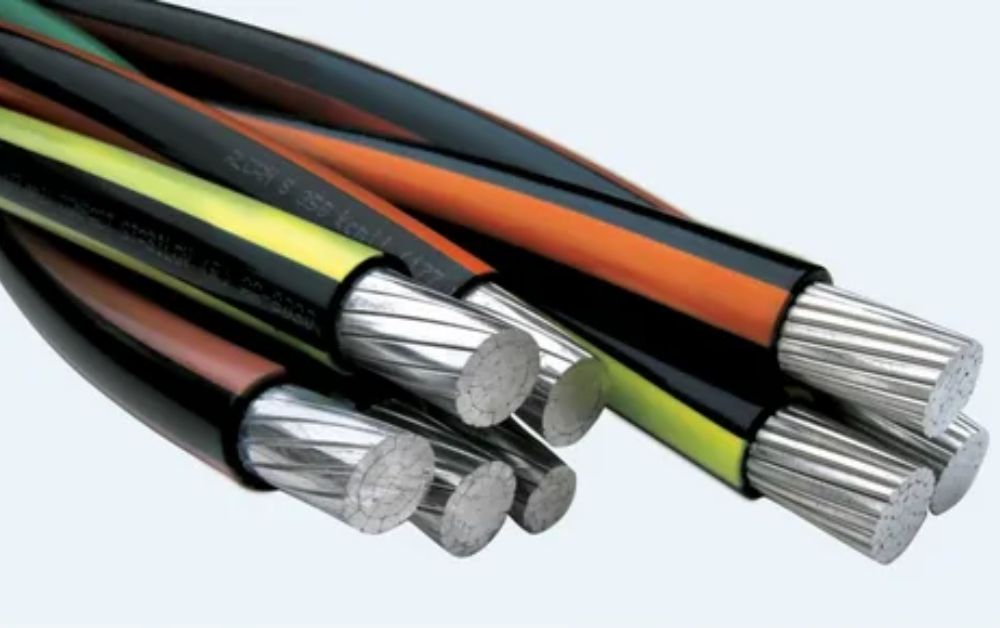
Copper and aluminium are common conductors. Copper offers superior conductivity and durability, making it ideal for most applications. Aluminium is lighter and more cost-effective, often used in large-scale power distribution.

4.Flexibility and Durability

In applications involving constant motion, such as robotic arms or industrial machinery, cables must be flexible and resistant to wear and tear to maintain efficiency.

Common Uses of Electrical Cables


1.Residential Applications

In homes, electrical cables power lighting, appliances, and HVAC systems. Flexible cables are particularly useful for connecting household devices.

2.Industrial Applications

Industries use specialized cables for machinery, power distribution, and automation. Control cables play a critical role in ensuring smooth automated operations.

3.Telecommunication and Networking

Data and coaxial cables are essential for communication, internet services, and signal distribution. Their importance is growing as the demand for faster connectivity increases.

4.Renewable Energy Systems

Solar and wind power systems use specific cable types for efficient energy transfer and storage. These cables are designed to endure UV exposure, temperature changes, and harsh conditions.

Common Uses of Electrical Cables

Conclusion

Understanding the types and uses of electrical cables helps ensure efficient and safe electrical systems. For high-quality electrical cables and expert guidance, trust Al Arz Electrical, your reliable partner in electrical solutions.


Power Cable vs. Control Cable: What Is the Difference?

Power Cable vs. Control Cable: What Is the Difference?

When it comes to wiring and cabling solutions, understanding the difference between power cables and control cables is crucial. Though both types are used in electrical systems in various capacities, their uses, construction, and operations are unique. In this section we identify and discuss the fundamental differences between these two basic cables.

What Are Power Cables?

What Are Power Cables?

Power cable is mainly used in transfer of electrical power from one area to another. It is common for residential, commercial, and industrial purposes, to convey power from electrical sources to devices, tools, and gadgets.

Key Features of Power Cables:

  • High Voltage Capacity: These cables can convey high voltage thus makes it suitable for use in power distribution networks.
  • Robust Insulation: They are well insulated to avoid the risk of electric shocks as well as to endure tests of heat, water, and pressure.
  • Applications: Power cables are used in transformers, power grids, electrical panels, and heavy machinery.

What Are Control Cables?

Control cables, on the other hand, are designed for signalling and controlling purposes. These cables transmit low-voltage signals that regulate or monitor the operation of devices and systems.

Key Features of Control Cables:

  • Low Voltage Rating: Control cables operate at lower voltages compared to power cables.
  • Flexible Design: They are more flexible to accommodate frequent bending and movement.
  • Applications: Commonly used in automation systems, conveyor belts, control circuits, and instrumentation panels.

Differences Between Power Cables and Control Cables

Feature Power Cables Control Cables
Purpose Transmit electrical power Transmit signals for control/monitoring
Voltage Capacity High Low
Construction Thick insulation, less flexibility Thin insulation, high flexibility
Applications Power distribution, heavy machinery Automation, instrumentation, control panels

Why Is Choosing the Right Cable Important?

The choice between power cables and control cables can significantly affect the performance and safety of your electrical system. Using the wrong type could lead to operational inefficiencies, increased wear and tear, and potential safety risks.

Factors to Consider When Selecting Cables:


Voltage Requirements:

Power cables are essential for high-voltage needs, while control cables are perfect for low-voltage signal transmissions.

Environmental Conditions:

In industrial or outdoor settings, power cables must withstand extreme temperatures, moisture, or physical stress. Control cables often need flexibility for dynamic environments.

Application Specifications:

Identify whether the system demands energy transmission or control signal conveyance. This clarity will guide you to the right choice.

Understanding these factors can help prevent issues like equipment failure, electrical hazards, or unnecessary costs due to improper cable usage.

Key Features of Control Cables

Conclusion

Power cables and control cables serve distinct roles in electrical systems, each tailored for specific applications. Understanding their differences and functionalities helps in selecting the right cable for the job, ensuring system efficiency and safety.

For top-quality electrical solutions, Al Arz Electrical offers a wide range of premium power and control cables designed to meet diverse industry needs. Choose Al Arz Electrical for reliable and durable cabling solutions!

How do Electrical Cable Suppliers Ensure Product Quality and Safety?

How do electrical cable suppliers ensure product quality and safety

In the electrical industry, aspect such as quality of cables can affect the performance of systems and the safety of the users. Electrical cables are employed in different functions in exercises as simple as lighting up a home to complicated industrial uses. Producers of electrical cables ensure that their cables conform to various situations in the various environments in terms of quality and safety. This blog focuses on the main measures that Electrical Cable Supplier takes to guarantee that they supply products that are safe to use.

How do electrical cable suppliers ensure product quality and safety?

Electrical cables are the power distribution networks, and any sop in their quality can be very disastrous leading to equipment damage, power blackouts or fire explosions. Due to these risks, there is high standards that have to be followed by suppliers in the electrical cable market with an aim of ensuring that the highest performance and safety is achieved. While the manufacturers are involved in the production of well compliant cables, the suppliers are also involved in the confirmation and sustenance of the standards. Suppliers of electrical cables guarantee the products they deliver to the market to meet the standard specifications of that industry while at the same time surpassing the customers’ demands.

Quality Assurance Processes

Quality assurance measures are applied to ensure the cables meet the set requirements. This usually involves the initial buying of the cables from recognized OEM suppliers who manufacture their cables within specific globally recognized electrical codes and standards such as the IEC or UL. Such certifications ensure that the manufactured products are safe for the customer and also reliable to execute the desired function.

On obtaining cables, suppliers subsequently carry out their quality assessments. This includes, but is not limited to, simple tests by observation that show gross areas that could have been affected, such as the separator or the insulation layer of the cable or the conductor material. Electrical resistance and tensile strength tests also ensure that the cables can cope with different environments and usage situations.

Compliance with Safety Standards

It is extremely important that electrical cable distribution maintains safety measures that correspond with international regulates and standards. It is common for suppliers, therefore, to operate subject to legislation and requirements for their products so that they can be safe for use. These include the requirement to conform with local electrical codes as well as the international voltage, insulation and fire resistances standards.

Some suppliers engage the testing laboratories to conduct tests and provide necessary certifications of cables. These certifications ensure that the products attain characteristics such as being fire resistant, water proof and immune to high heat depending on the application. Adherence to these safety standards makes it possible to use the cables for either residential, commercial or industrial purposes and at the same time meet the necessary safety requirements.

Continuous Monitoring and Traceability

However, not only after the first tests; suppliers of electrical cable also constantly monitor their products. They employ tracking system with information to give a way to a specific batch of cables so that they can be recalled and tested on compliance. Such traceability guarantee that if in the future there are some complications affecting the said products, they can easily be traced and repaired.

However, suppliers do send various documents and papers like conforming certificates and technical sheets to the customers and explain to them about the quality and safety of the cables bought from them. These documents explain the parameters of the cable such as the voltage rating of the cables and the type of insulation used as well as the test results and the disclosure help to build the customer base.

How do electrical cable suppliers ensure product quality and safety

Conclusion

The suppliers of electrical cables have key responsibility in delivering quality and safe cable products. They ensure adherence to quality standards, safety edicts of electronics relevant to the global market as well as offering regular checks to ensure that they meet the needs of complex electric systems. Thus, Electrical cable suppliers ensure their customers and at the same time improve on the aspects needed for electrical safety and performance.

Why Is It Important to Partner with Experienced Electrical Cable Suppliers?

Why Is It Important to Partner with Experienced Electrical Cable Suppliers

Introduction

In the world of electrical systems, cables are the backbone that keeps everything running smoothly. From powering homes to complex industrial setups, the quality and reliability of cables play a crucial role. This is why partnering with experienced electrical cable suppliers is vital. In this blog, we explore the reasons why choosing the right Electrical Cable Suppliers is important and how they contribute to the success of any electrical project.

Why Is It Important to Partner with Experienced Electrical Cable Suppliers

Expertise in Product Selection

Experienced electrical cable suppliers bring a wealth of knowledge and expertise to the table. They understand the complexities of different electrical systems and the specific requirements of various applications. This expertise helps in selecting the right type of cables, ensuring that they meet the necessary standards and specifications. Whether it’s high-voltage power cables, communication cables, or specialized cables for unique applications, seasoned suppliers can guide you in choosing the best options for your needs.

Quality Assurance

Quality is a non-negotiable aspect when it comes to electrical cables. Reliable electrical cable suppliers provide products that adhere to strict quality standards, ensuring safety and longevity. Inferior cables can lead to significant risks, including electrical failures, fire hazards, and costly downtimes. By partnering with reputable suppliers, you gain access to cables that have been rigorously tested and certified. This quality assurance is crucial for maintaining the integrity and safety of electrical systems, especially in critical applications such as hospitals, data centers, and industrial facilities.

Comprehensive Product Range

Another benefit of working with experienced electrical cable suppliers is the availability of a comprehensive product range. These suppliers offer a wide selection of cables, covering various types, sizes, and specifications. This diversity allows for greater flexibility in project planning and execution, as you can source all the necessary cables from a single, reliable provider. Whether you need standard power cables or customized solutions, experienced suppliers can meet your specific requirements.

Reliable Supply Chain and Timely Deliveries

In any construction or installation project, timelines are crucial. Delays in receiving essential materials like electrical cables can disrupt schedules and increase costs. Established electrical cable suppliers have robust supply chains that ensure timely delivery of products. Their experience in logistics and inventory management means they can efficiently handle orders and respond quickly to urgent needs. This reliability is essential for keeping projects on track and avoiding costly delays.

Technical Support and After-Sales Service

One of the key advantages of partnering with experienced electrical cable suppliers is access to technical support and after-sales service. These suppliers have a deep understanding of their products and can provide valuable advice on installation, maintenance, and troubleshooting. In the event of any issues, they offer prompt support to resolve problems, minimizing downtime and ensuring the smooth operation of your electrical systems.

Why Is It Important to Partner with Experienced Electrical Cable Suppliers

Conclusion

The importance of partnering with experienced electrical cable suppliers cannot be overstated. Their expertise in product selection, commitment to quality, comprehensive product range, reliable supply chain, and exceptional support services make them invaluable partners in any electrical project. For those seeking a trusted partner in the electrical supply industry, Al Arz Electrical Ware Trading stands out as a top choice. Known for their extensive experience and dedication to quality, Al Arz Electrical Ware Trading offers a wide range of high-quality cables and exceptional customer service. By choosing them, you can be confident in the safety and reliability of your electrical systems, making them the ideal partner for all your electrical cable needs.

What Are the Key Services Offered by Electrical Cable Suppliers?

What Are the Key Services Offered by Electrical Cable Suppliers

When it comes to the foundation of any electrical system, cables and wires are indispensable. Electrical cable suppliers play a crucial role in ensuring the safe and efficient functioning of various applications, ranging from residential installations to large-scale industrial projects. In this blog, we will explore the key services offered by electrical cable suppliers and why choosing the right supplier, like Al Arz Electrical Ware Trading, is essential for your electrical needs.

What Are the Key Services Offered by Electrical Cable Suppliers

Product Range and Availability 

One of the primary services offered by Electrical Cable Suppliers In UAE is providing a comprehensive range of products. This includes various types of cables and wires designed for different applications, such as:

  • Power Cables: Used for the transmission of electrical power in residential, commercial, and industrial settings.
  • Control Cables: Designed for automation and instrumentation systems.
  • Data Cables: Essential for networking and telecommunications.
  • Fire-Resistant Cables: Ensure safety in emergency situations.
  • Specialty Cables: Including those used in harsh environments and specific industrial applications.

A reputable supplier like Al Arz ensures that these products are readily available and meet the highest quality standards.

Custom Cable Solutions 

Not all projects can be completed with off-the-shelf products. Electrical cable suppliers often provide custom cable solutions tailored to the specific requirements of a project. This involves:

  • Design Consultation: Working with clients to understand their unique needs and designing cables that meet those specifications.
  • Material Selection: Choosing the right materials for the cable based on factors such as environmental conditions, electrical load, and durability requirements.
  • Prototyping and Testing: Developing prototypes and conducting rigorous testing to ensure the custom cables perform as expected.

Technical Support and Guidance Navigating the complexities of electrical installations can be challenging. Electrical cable suppliers offer technical support and guidance to help clients make informed decisions. This includes:

  • Product Selection Advice: Assisting clients in choosing the right type of cable for their specific applications.
  • Installation Support: Providing detailed installation instructions and best practices to ensure safe and efficient setup.
  • Troubleshooting: Helping clients identify and resolve any issues that arise during installation or operation.

Quality Assurance and Certification 

Quality assurance is a critical service provided by electrical cable suppliers. This involves:

  • Compliance with Standards: Ensuring that all cables meet international and local safety and performance standards.
  • Regular Testing: Conduct regular tests to verify the quality and reliability of the cables.
  • Certification: Providing certification for the cables, which is often required for regulatory compliance and project approvals.

Al Arz Electrical Ware Trading, for instance, adheres to stringent quality assurance processes to deliver reliable and safe electrical products.

What Are the Key Services Offered by Electrical Cable Suppliers

Conclusion

Electrical cable suppliers offer a wide range of services that are essential for the successful completion of electrical projects. From providing a diverse range of products and custom solutions to offering technical support and ensuring quality, these suppliers are integral to the industry. Choosing a reputable supplier like Al Arz Electrical Ware Trading ensures that you receive high-quality cables and exceptional service, contributing to the safety and efficiency of your electrical installations. Explore the extensive offerings of Al Arz to meet your electrical needs and benefit from their expertise in the field.

Behind the Wires: Exploring the Role of Electrical Cable Suppliers in Infrastructure

How do electrical cable suppliers ensure product quality and safety

Introduction:

In the intricate web of modern infrastructure, electrical cables serve as the lifelines that power our homes, businesses, and industries. Behind the scenes, Electrical Cable Suppliers play a crucial role in ensuring the reliability, safety, and efficiency of electrical systems. This blog delves into the indispensable role of electrical cable suppliers in infrastructure, highlighting their contributions to the seamless functioning of our interconnected world.

Best Electrical Cables for Wiring: A Comprehensive Guide

The Vital Role of Electrical Cable Suppliers in UAE:

Electrical cable suppliers in UAE serve as the backbone of the nation’s electrical infrastructure, providing a diverse array of cables tailored to meet the needs of various applications and industries. From residential wiring to industrial installations and renewable energy projects, these suppliers offer a comprehensive range of cables designed to transmit electricity safely and efficiently across different environments.

Supplying Diverse Cable Types:

Electrical cable suppliers in UAE offer a wide range of cable types to accommodate the diverse requirements of infrastructure projects. This includes power cables, control cables, instrumentation cables, communication cables, and specialty cables designed for specific applications such as fire resistance, high voltage transmission, and underground installations. By offering a variety of cable options, suppliers ensure that infrastructure developers have access to the right cables for their projects, regardless of complexity or scale.

Ensuring Quality and Compliance:

One of the primary responsibilities of electrical cable suppliers in UAE is to uphold the highest standards of quality and compliance. This includes sourcing cables from reputable manufacturers, conducting rigorous quality control checks, and ensuring compliance with relevant industry standards and regulations. By adhering to stringent quality assurance protocols, suppliers guarantee that the cables they supply meet or exceed performance benchmarks and safety requirements, providing peace of mind to infrastructure developers and end-users.

Facilitating Timely Delivery and Support:

In the fast-paced world of infrastructure development, timeliness is paramount. Electrical cable suppliers in UAE understand the importance of prompt delivery and responsive support services. They leverage efficient logistics networks and distribution channels to ensure that cables reach construction sites and projects on time, minimizing delays and disruptions. Additionally, suppliers offer technical expertise, installation guidance, and after-sales support to assist customers throughout the project lifecycle, from planning and procurement to installation and maintenance.

Promoting Sustainability and Innovation:

As sustainability and environmental stewardship gain prominence, electrical cable suppliers in UAE are embracing eco-friendly practices and innovative technologies. They offer energy-efficient cables, recyclable materials, and sustainable manufacturing processes to minimize environmental impact and promote green infrastructure development. Furthermore, suppliers invest in research and development to innovate new cable technologies, such as high-performance materials, smart cables, and integrated monitoring systems, to address evolving infrastructure needs and challenges.

Understanding the Types of Electrical Cables

Conclusion:

Behind every successful infrastructure project lies the indispensable contribution of electrical cable suppliers in UAE. From providing a diverse range of cables to ensuring quality, compliance, and timely delivery, these suppliers play a vital role in the seamless functioning of electrical systems that power our modern world. As infrastructure development continues to evolve, the partnership between electrical cable suppliers and infrastructure stakeholders remains crucial in driving innovation, sustainability, and progress. By recognizing and appreciating the role of electrical cable suppliers, we gain a deeper understanding of the intricate networks that underpin our interconnected lives.

How to Maintain and Extend the Life of Electrical Cables?

Understanding the Types of Electrical Cables

Introduction:

Electrical cables are the lifelines of our modern world, facilitating the seamless flow of power to countless devices and systems. Whether at home, in offices, or across industrial complexes, electrical cables play a crucial role in powering our daily lives. To ensure the longevity and optimal performance of these cables, it’s essential to implement proper maintenance practices. In this blog, we’ll explore effective strategies on how to maintain and extend the life of Electrical Cable Suppliers in UAE, ensuring safety, reliability, and efficiency.

Common Uses of Electrical Cables

Understanding the Importance of Cable Maintenance:

Electrical cables are subjected to various environmental and operational stresses that can lead to wear and tear over time. Factors such as temperature fluctuations, moisture, mechanical stress, and chemical exposure can all contribute to the degradation of cable materials. Regular maintenance helps identify potential issues early on, preventing costly repairs and minimizing downtime. Additionally, well-maintained cables are less prone to faults, reducing the risk of electrical fires and ensuring the safety of both people and property.

Tips for Maintaining Electrical Cables:

Regular Inspections:

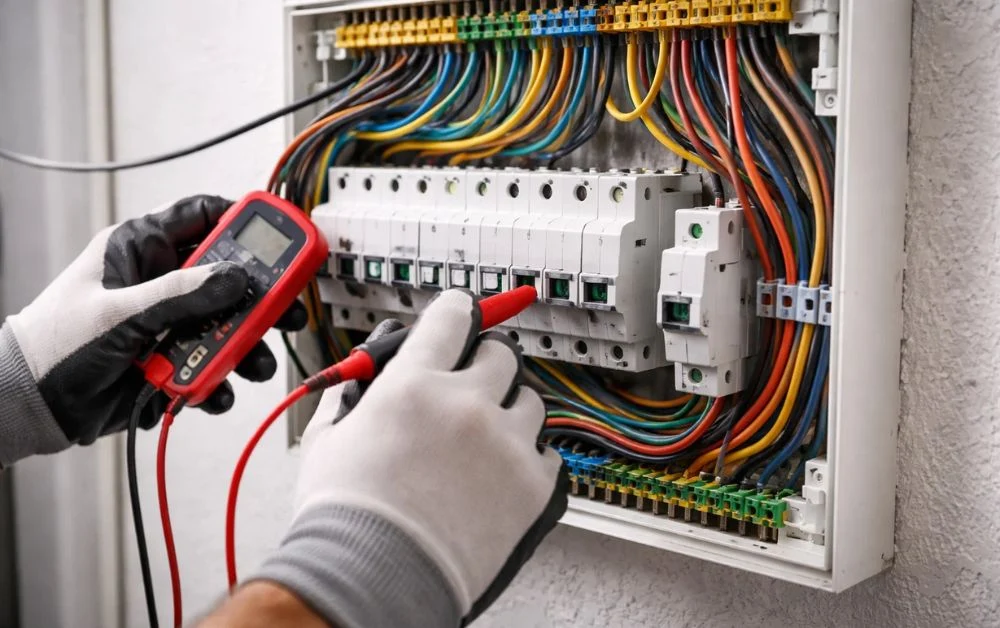
Conduct visual inspections of cables to identify any signs of wear, damage, or corrosion. Look for frayed wires, exposed conductors, or discoloration. Regular inspections can help detect issues before they escalate, allowing for timely repairs or replacements.

Protective Measures:

Implement protective measures to shield cables from environmental factors. Use cable trays, conduits, or cable glands to guard against physical damage, moisture, and exposure to corrosive substances. Proper cable management also reduces the risk of overheating.

Temperature Control:

Maintain optimal temperature levels for cables. Excessive heat can degrade insulation materials, leading to a higher likelihood of short circuits. Adequate ventilation and, if necessary, the use of thermal insulation can help regulate temperature and prevent overheating.

Avoid Overloading:

Ensure that electrical cables are not overloaded beyond their rated capacity. Overloading can generate excess heat, causing insulation breakdown and increasing the risk of fire. Distribute loads evenly across circuits and upgrade cables if necessary to accommodate higher power requirements.

Extending Cable Life:

Scheduled Maintenance:

Establish a regular maintenance schedule based on the type of cables and their usage. This can include cleaning, lubricating, and testing cables for electrical integrity. Adhering to a routine maintenance plan significantly extends the lifespan of electrical cables.

Training and Awareness:

Educate personnel about the importance of proper cable handling and maintenance. Training employees to recognize potential issues and report them promptly contributes to a proactive approach, minimizing risks and ensuring the longevity of electrical systems.

What Are Electrical Cables

Conclusion:

Proactive maintenance is the key to extending the life of electrical cables and ensuring a reliable and safe electrical infrastructure. By incorporating regular inspections, protective measures, temperature control, and avoiding overloading, individuals and organizations can minimize the risk of cable failures and maintain optimal performance. A commitment to these practices not only safeguards against unforeseen disruptions but also promotes sustainability and efficiency in our ever-evolving electrical landscape.

How to Enhance Safety with Reliable Wiring Accessories Suppliers

Wiring Accessories Suppliers

Safety comes first in the world of electrical systems. Whether it’s your home, office, or industrial facility, the quality of wiring accessories plays a crucial role in ensuring that your electrical setup is safe, reliable, and efficient. When seeking to enhance safety, partnering with reliable electrical cable suppliers in UAE and wiring accessories suppliers in UAE is essential. Let’s explore how you can achieve this and make safety a top priority in your electrical installations.

Wiring Accessories Suppliers

The Importance of Reliable Wiring Accessories:

Wiring accessories encompass a wide range of components, including switches, sockets, plugs, junction boxes, conduits, and more. These accessories are essential for connecting electrical devices, managing cables, and providing a safe and organized environment for your electrical setup. Ensuring the reliability of these components is fundamental to maintaining the overall safety of your space.

Choosing Trusted Wiring Accessories Suppliers in the UAE:

  • Reputation: Look for wiring accessories suppliers in the UAE with a solid reputation for providing high-quality products. A reputable supplier is more likely to offer reliable, durable, and compliant accessories that adhere to industry standards.
  • Product Range: Opt for suppliers that offer a comprehensive range of wiring accessories. From basic switches and outlets to specialized accessories designed for specific purposes (such as surge protection or smart capabilities), a diverse product range allows you to select accessories that meet your precise needs.
  • Quality Assurance: Ensure that the wiring accessories suppliers in the UAE prioritize quality assurance. This includes rigorous testing of products to ensure they can withstand the demands of everyday use and meet safety requirements.
  • Technical Expertise: Choose suppliers that have technical expertise and can provide guidance on selecting the right wiring accessories for different areas of your project. Their knowledge can help you make informed decisions based on usage, voltage, safety considerations, and aesthetics.

Enhancing Safety through Reliable Suppliers:

  • Durability: High-quality wiring accessories are built to last, reducing the need for frequent replacements and minimizing the risk of malfunctions.
  • Compatibility: Reliable accessories are designed to work seamlessly with your existing electrical setup, reducing the chances of compatibility issues that can compromise safety.
  • Safety Features: Certain wiring accessories come with built-in safety features, such as protection against electrical shocks, fire hazards, and overload protection. These features provide an additional layer of safety for your space.

Wiring Accessories Suppliers

Conclusion:

Enhancing safety in your electrical installations starts with partnering with trustworthy electrical cable suppliers in the UAE and wiring accessories suppliers in the UAE. Their commitment to quality, expertise, and adherence to industry standards ensures that your wiring accessories are dependable, efficient, and safe. Whether you’re outfitting a residential property, commercial space, or an industrial facility, reliable wiring accessories suppliers play a critical role in creating a safe environment for your electrical systems.

What Are the Different Types of Cables and Wires for Electrical Installations?

What Are the Different Types of Cables and Wires for Electrical Installations

Cables and wires are essential components of electrical installations, serving as conduits for the safe and efficient transmission of electrical power. They come in various types, each designed to meet specific requirements and applications. In this blog, we will explore the different types of electrical cables and wires commonly used in electrical installations.

Non-Metallic Sheathed Cable (NM Cable)

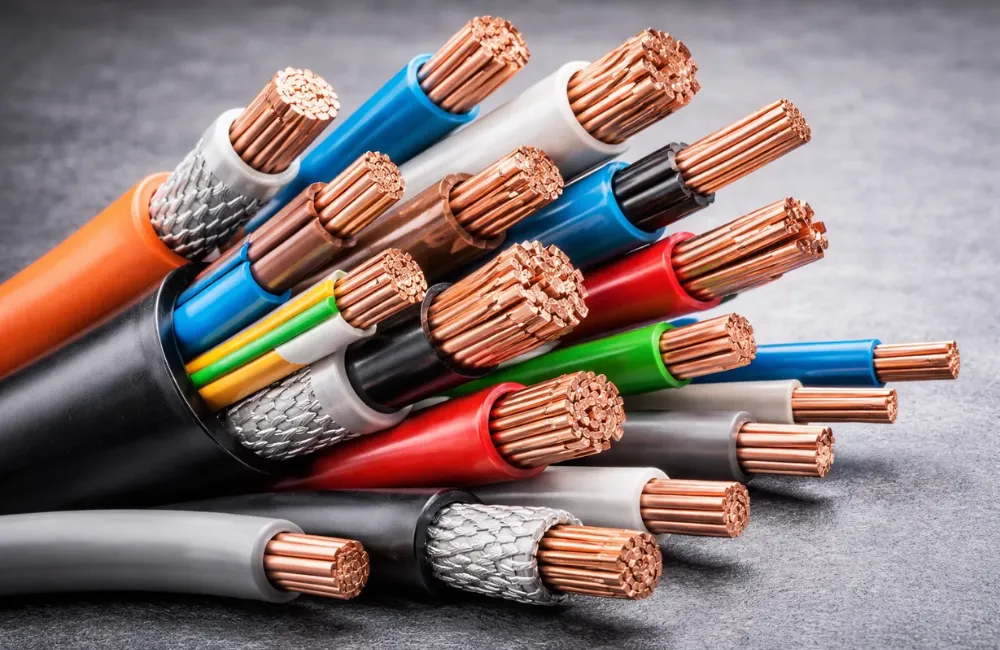
Also known as Romex cable, NM cable is a widely used type of electrical cable. It consists of two or more insulated conductors, typically made of copper, surrounded by a non-metallic sheath. NM cable is commonly used for residential wiring, such as powering outlets, switches, and lighting fixtures.

What Are the Different Types of Cables and Wires for Electrical Installations?

Coaxial Cable

Coaxial cable is used primarily for transmitting audio and video signals. It consists of a central conductor, a layer of insulation, a metallic shield, and an outer insulating sheath. Coaxial cables are commonly used in cable television, satellite systems, and high-speed internet connections.

Ethernet Cable

Ethernet cables are specifically designed for networking purposes. They enable the transmission of data between computers, routers, and other network devices. Ethernet cables come in various categories, such as Cat5, Cat6, and Cat7, with each category offering different levels of data transfer speeds and performance.

Armored Cable (AC)

Armored cables are designed for enhanced protection against physical damage and moisture. They feature a flexible metal armor layer surrounding the insulated conductors. AC cables are commonly used in industrial settings, outdoor installations, and areas where extra durability is required.

Fiber Optic Cable

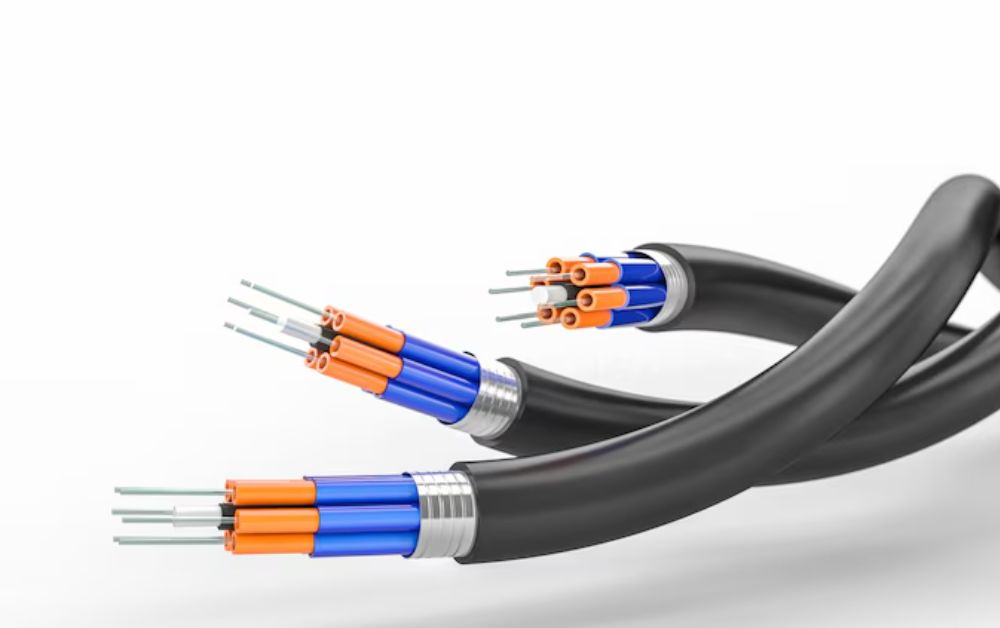
For long-distance high-speed data transmission, fiber optic cables are frequently utilized. They are made up of tiny glass or plastic fibers that transmit light signals as opposed to electrical currents. Fiber optic cables are the best choice for telecommunications, internet connectivity, and data center applications because they provide outstanding capacity, fast data transfer rates, and immunity to electromagnetic interference.

High-Temperature Cables

High-temperature wires are made to tolerate soaring temperatures and fend off deterioration. They are frequently utilized in industrial environments like production facilities, furnaces, and high-temperature machinery. Specialized insulating materials that can resist high temperatures without affecting safety or performance are used in the engineering of these cables.

What Are the Different Types of Cables and Wires for Electrical Installations? - 2

Conclusion

Cables and wires are the lifelines of electrical installations, providing the necessary connectivity and power transmission for various applications. Understanding the different types of cables and wires available allows for informed decision-making when planning electrical projects.

Whether you hire an electrical cable supplier for wiring a residential building, setting up a network, or working in high-temperature environments, choosing the right type of cable ensures optimal performance, safety, and longevity. Consult with professionals or refer to relevant industry standards to determine the most suitable cables and wires for your specific requirements. By selecting the appropriate cables and wires, you can ensure reliable and efficient electrical installations for both residential and commercial applications.

What Are the Key Factors to Consider When Choosing Cables and Wires?

What Are the Key Factors to Consider When Choosing Cables and Wires

When it comes to electrical installations, selecting the right cables and wires is crucial for ensuring safe and efficient operations. With a plethora of options available in the market, it can be overwhelming to choose the most suitable cables and wires for your specific needs. This blog aims to highlight the key factors that should be considered when making this important decision.

Choosing Cables and Wires

Conductivity and Current Capacity

The conductivity of cables and wires is a vital factor to consider. Higher conductivity allows for better transmission of electrical current, minimizing energy loss and ensuring optimal performance. Additionally, it is important to assess the current capacity of the cables and wires to ensure they can handle the anticipated load without overheating or causing damage to the electrical system.

Insulation Material and Temperature Rating

The insulation material of cables and wires plays a crucial role in maintaining electrical safety. Different environments require specific types of insulation materials to withstand temperature variations, moisture, chemicals, and other potential hazards. It is essential to choose cables and wires with insulation materials that are suitable for the intended application. Additionally, considering the temperature rating of the lines and wires ensures they can operate safely within the specified temperature range.

Power Rating

The ability of cables and wires to handle the necessary voltage levels without electrical breakdown or failure depends on their voltage rating. To guarantee safe and dependable operation, it is crucial to select cables and wires with a voltage rating higher than the electrical system’s maximum voltage.

Flexibility and Robustness

Particularly when cables and wires need to be installed in places where frequent movement or bending is anticipated, flexibility and durability are crucial factors to take into account. Flexible cables and wires make installation simpler and less likely to result in breakage or damage. Additionally, choosing cables and wires with tough coatings and construction lengthens their useful lives and lowers the frequency of replacement and maintenance.

Environmental Conditions

Different environments present varying challenges for cables and wires. Factors such as exposure to moisture, sunlight, extreme temperatures, chemicals, and mechanical stress should be considered. Choosing cables and wires that are specifically designed to withstand these environmental conditions ensures long-lasting performance and prevents potential hazards.

Compliance with Standards and Regulations

Ensure that the cables and wires you choose comply with relevant industry standards and regulations. This ensures that they have undergone rigorous testing and meet the required safety and performance standards. Compliance with standards also assures quality and reliability.

Cost and Budget

While cost should not be the sole determining factor, it is important to consider the budgetary constraints when selecting cables and wires. Balancing the desired quality and performance requirements with the available budget is essential. Investing in high-quality cables and wires may initially incur a higher cost but can save money in the long run by reducing maintenance and replacement expenses.

What Are the Key Factors to Consider When Choosing Cables and Wires

Conclusion

Choosing the right electrical cables and wires is a critical decision that can significantly impact electrical installations’ safety, performance, and longevity. Considering factors such as conductivity, insulation material, voltage rating, flexibility, durability, environmental conditions, compliance with standards, and budgetary constraints ensures the selection of cables and wires that meet the specific requirements of the electrical system. By carefully evaluating these key factors, you can make informed decisions that contribute to the smooth and reliable functioning of your electrical installations.