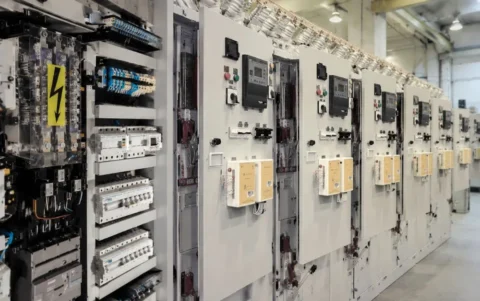
How to Maintain Switchgear for Long-Term Performance

How to Maintain Switchgear for Long-Term Performance

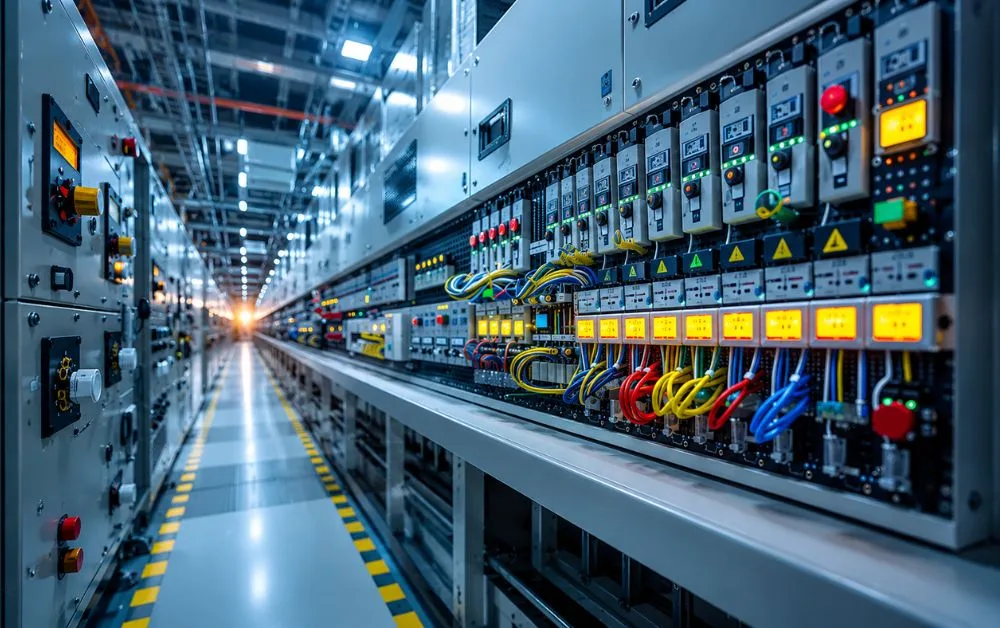
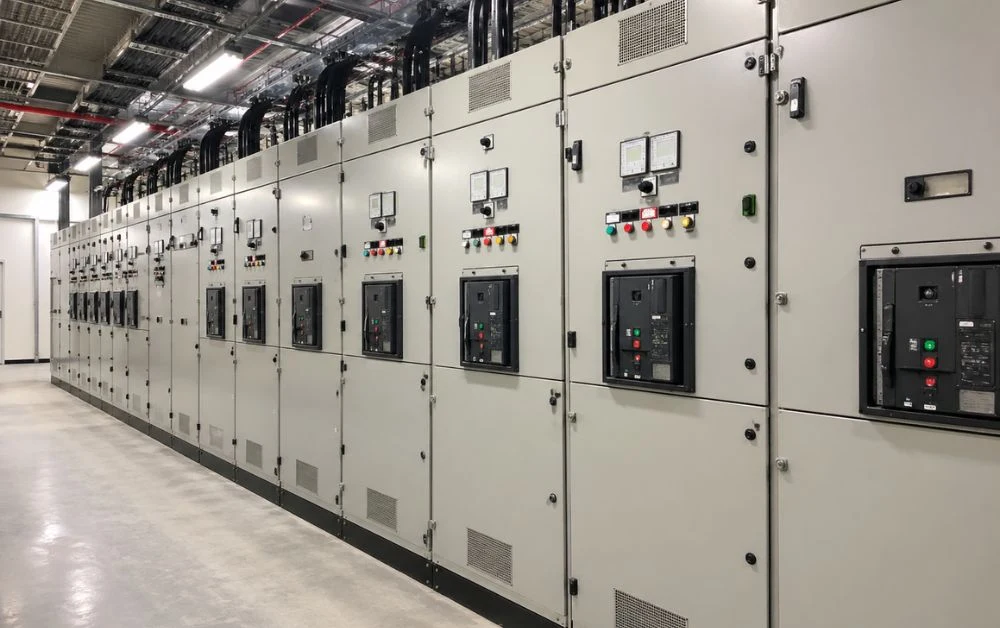
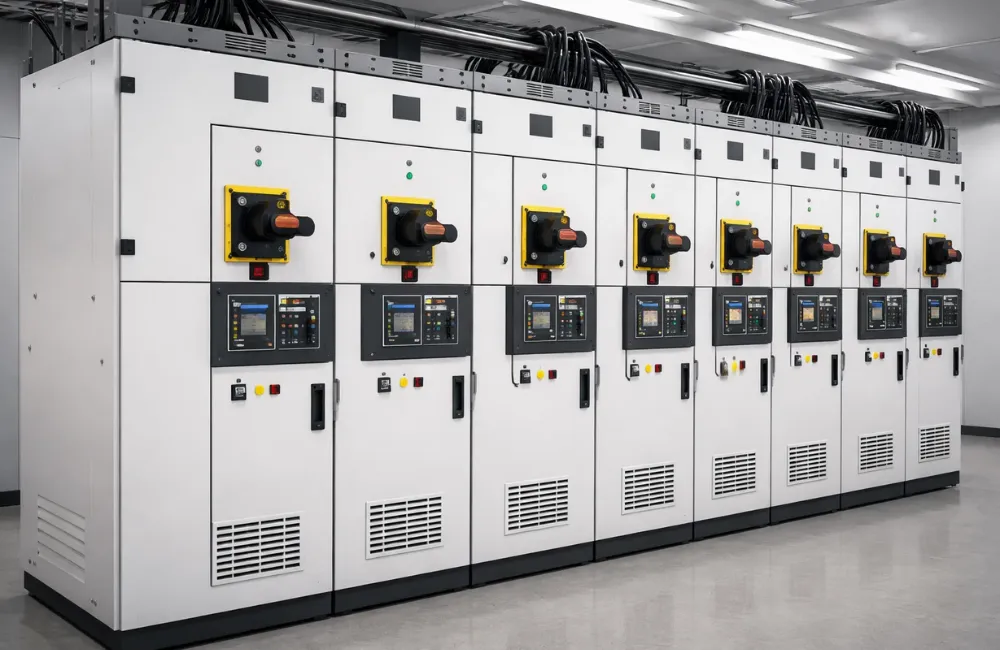
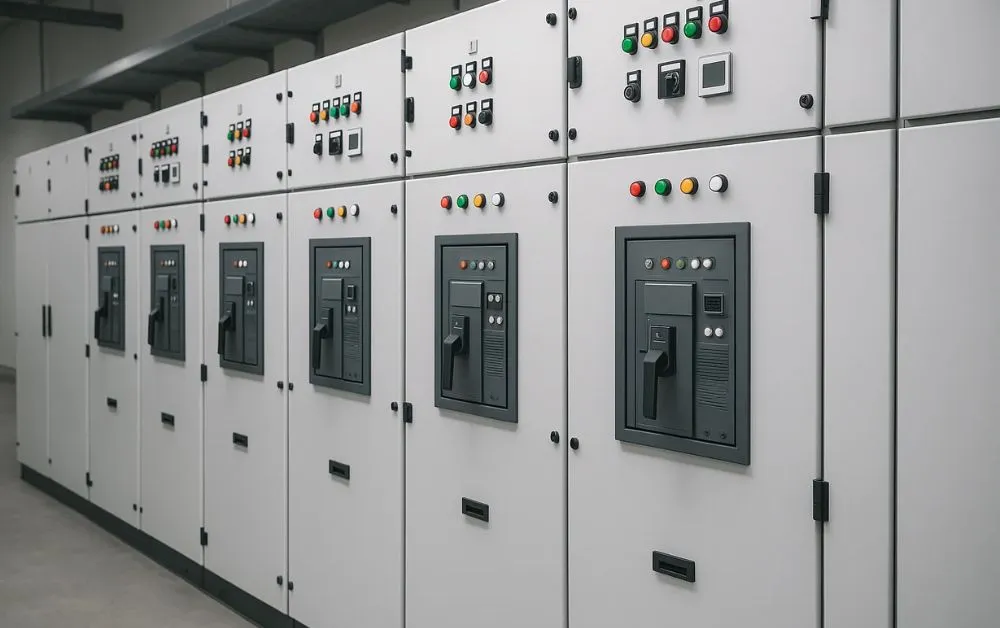
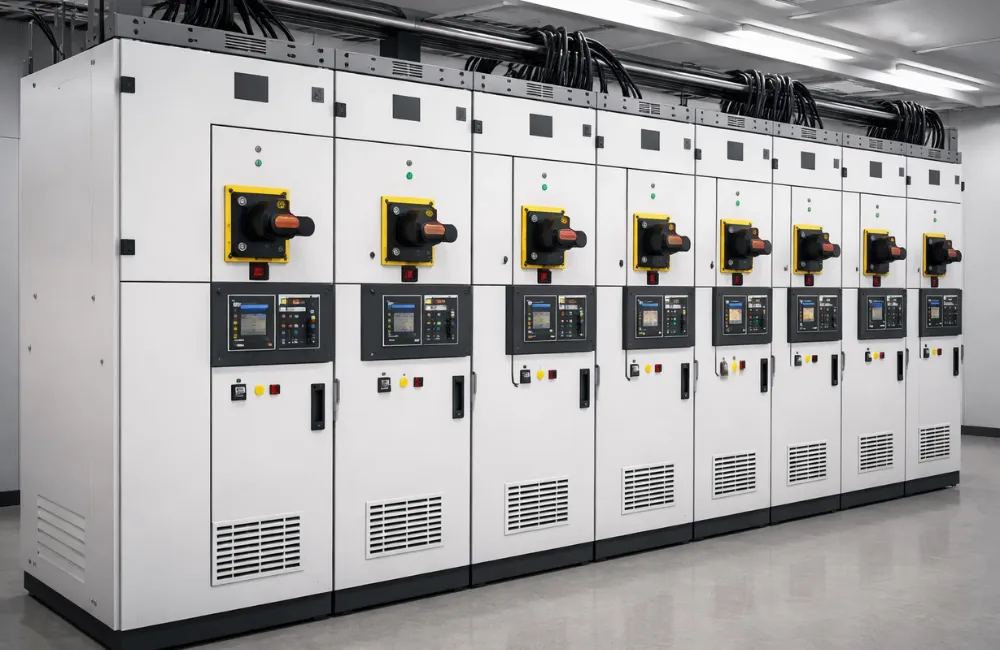
Switchgear is a crucial part of any electrical system, from industrial plants to commercial buildings and even residential complexes. It’s responsible for ensuring that electrical networks run smoothly and safely. But just having quality switchgear from a trusted supplier in the UAE is only part of the equation. Proper maintenance is equally important to ensure long-lasting, reliable performance and to avoid unexpected issues.

Why Switchgear Maintenance is So Important

Why Switchgear Maintenance is So Important

Switchgear doesn’t just control and protect electrical equipment—it helps isolate faults and keeps everything operating safely. If it is not properly maintained, it can lead to equipment failures, safety risks, and costly downtime.

Regular maintenance helps make sure that the switchgear operates at peak performance, catches wear and tear early, and prevents major issues down the line. For facility managers and contractors, sticking to a solid maintenance routine is the best way to keep things running smoothly and reduce operational risks.

Start with Regular Visual Inspections

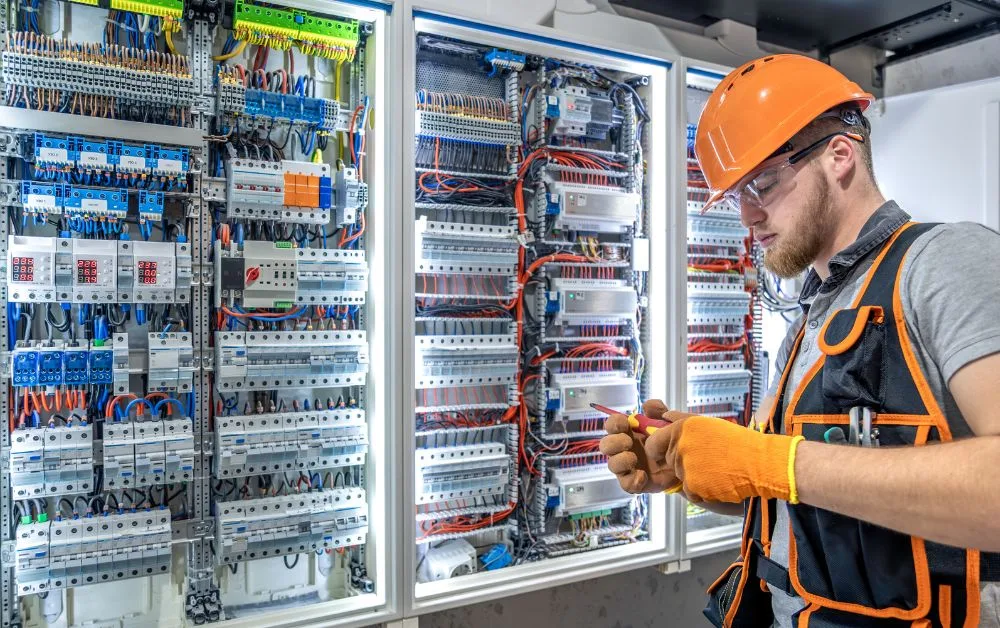
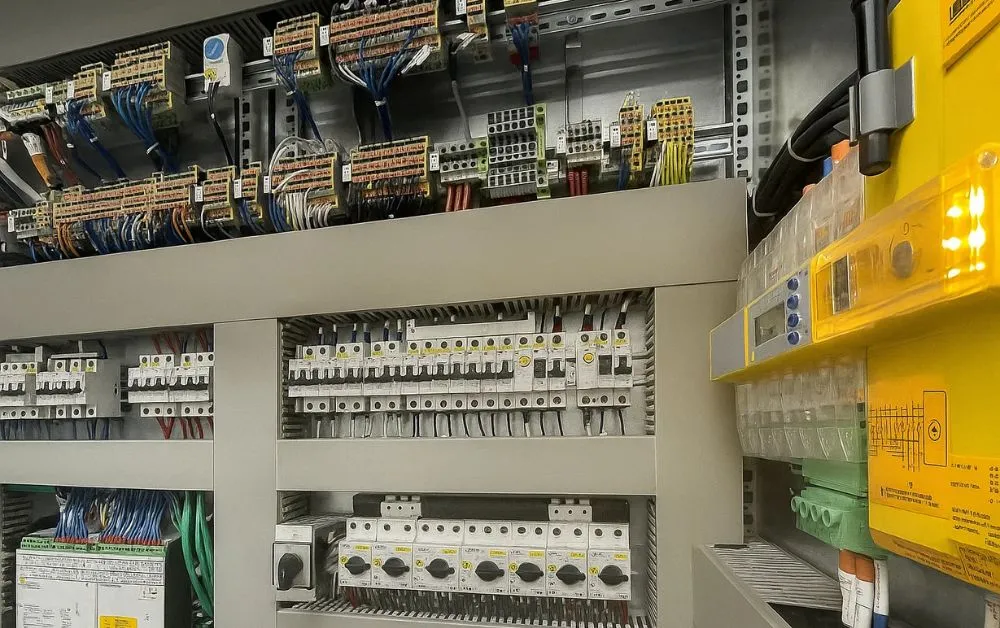
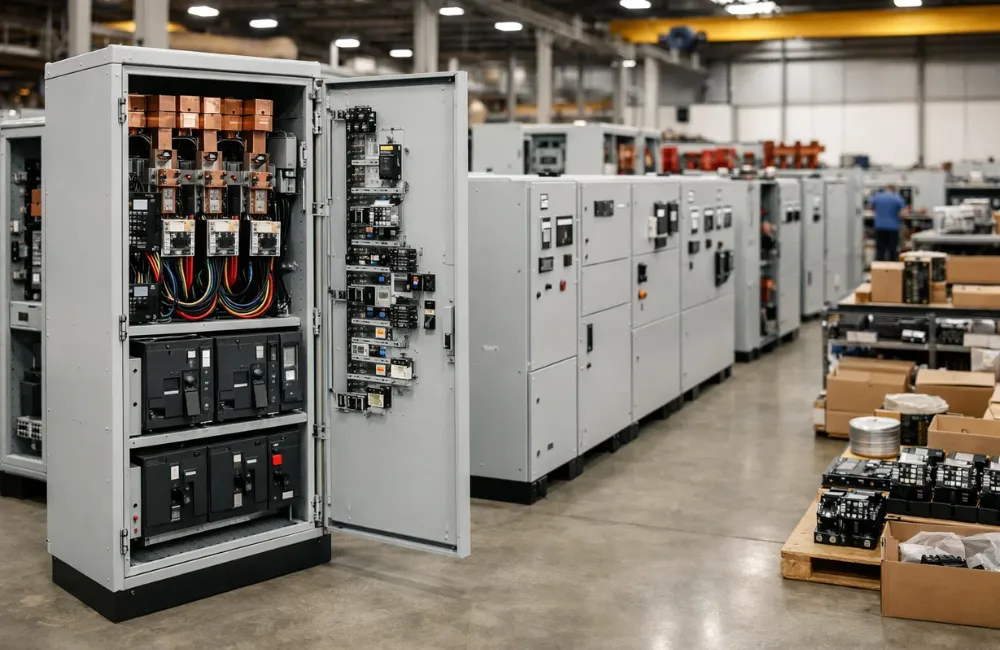
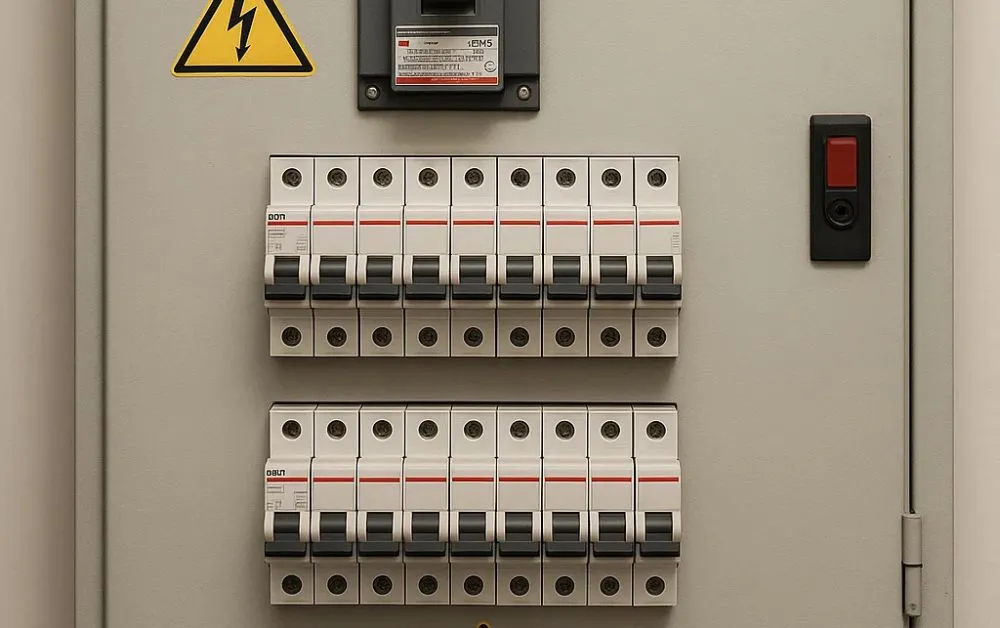
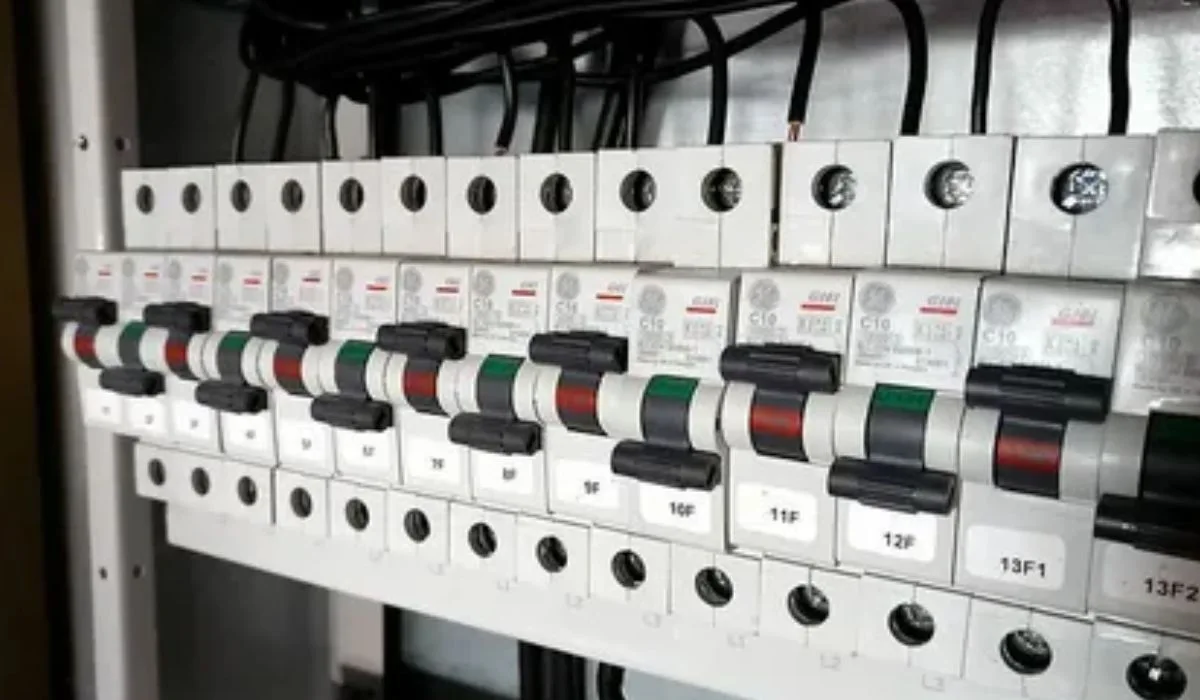
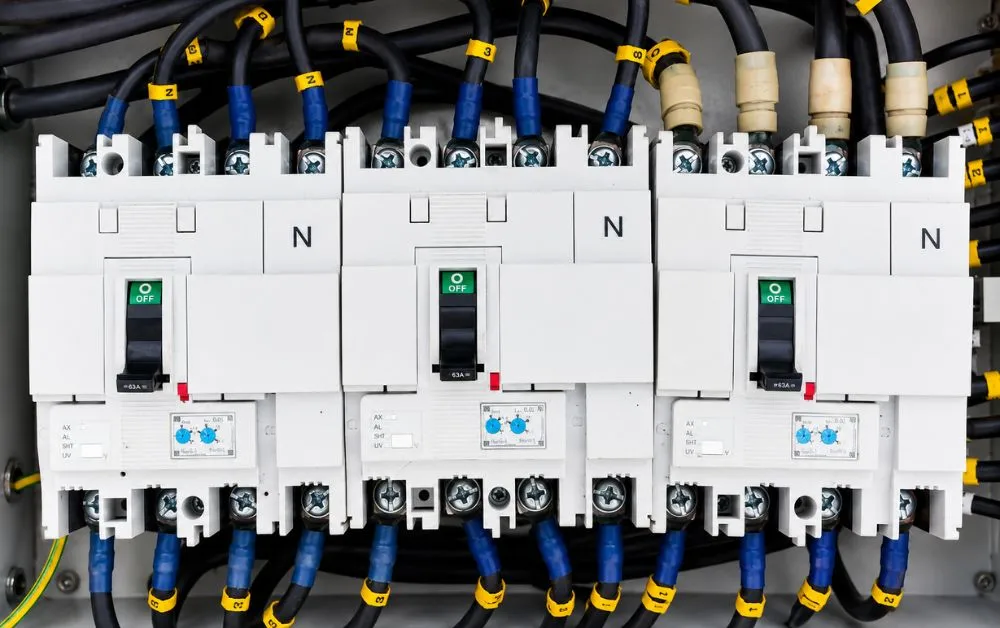
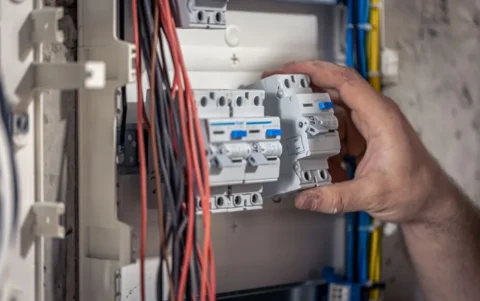
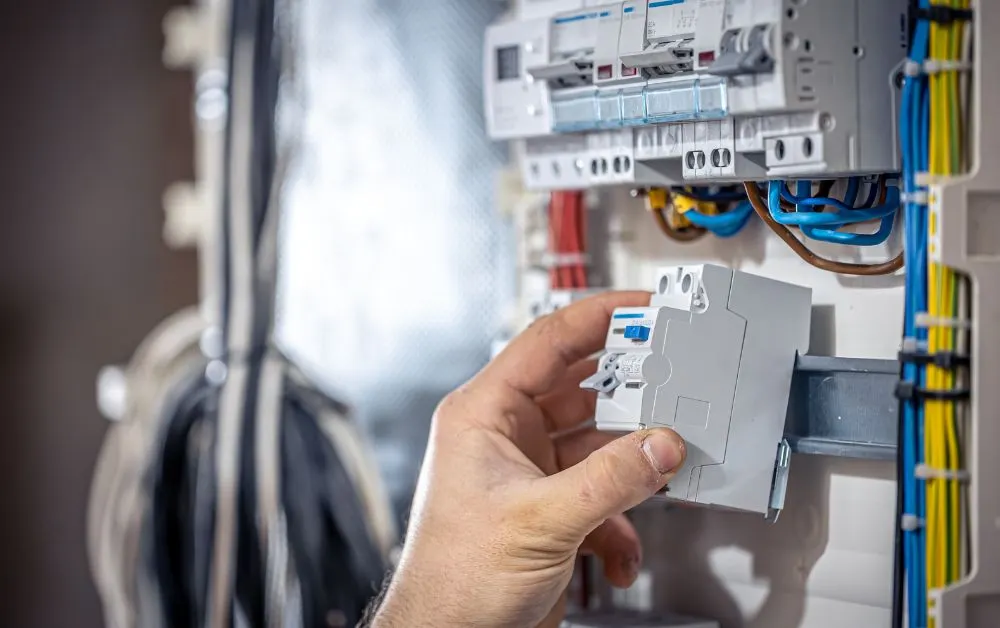
The first step in any switchgear maintenance plan is a good old-fashioned visual inspection. Technicians should check for anything unusual, like signs of overheating, corrosion, dust buildup, or loose connections. These things may seem small, but they can lead to bigger issues if left unchecked.

Here’s what to focus on during the inspection:

  • Panel doors and hinges: Ensure they open and close easily without obstruction.
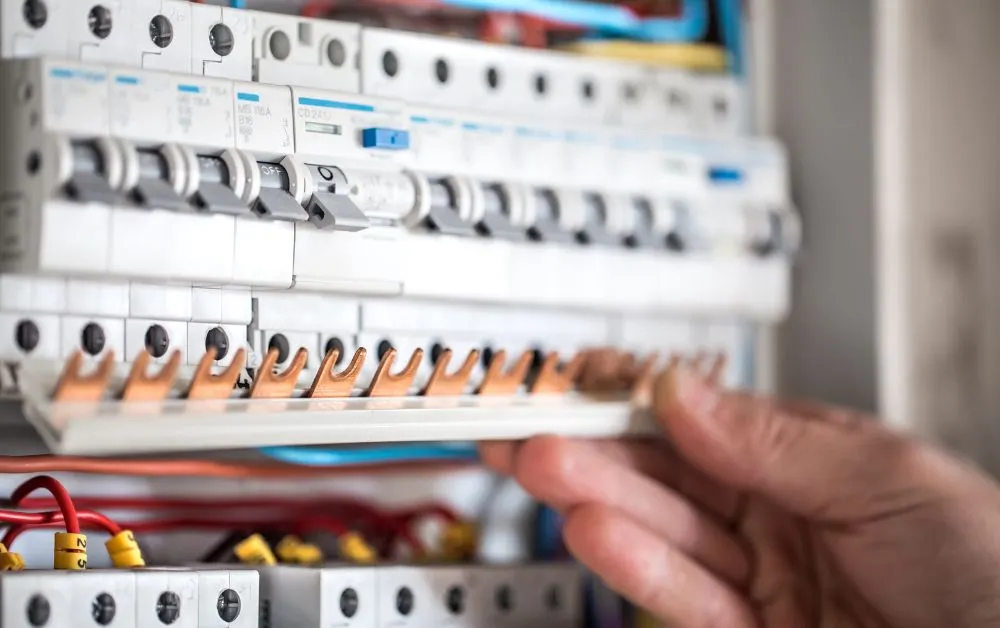
  • Insulators and busbars: Look for cracks, discoloration, or any signs of damage.
  • Cables and connections: Tighten any loose connections, and check for fraying or wear.

A quick visual check can help spot potential problems early, and it’s a crucial step in keeping the system safe.

Cleaning and Dust Removal

Dust, dirt, and moisture can wreak havoc on switchgear. They can affect insulation, which in turn can lead to electrical faults or overheating. Regular cleaning is a must.

You can use compressed air or a vacuum to clear out dust and debris without damaging the components. Just make sure you follow the manufacturer’s cleaning guidelines, especially for more delicate parts. Keeping the switchgear clean helps prevent issues like short circuits and ensures consistent performance.

Lubricating Moving Parts

Many parts of switchgear, such as circuit breakers and operating mechanisms, have moving parts that need to be lubricated. Using the recommended lubricants ensures smooth operation and prevents mechanical wear. Regular lubrication is key to keeping everything running without unexpected malfunctions.

Find out more-How Does Electrical Switchgear in the UAE Improve System Efficiency?

Routine Electrical Testing and Calibration

Testing your switchgear’s electrical performance regularly is essential. You’ll want to check things like:

  • Insulation resistance testing: This checks if the insulation materials are still effective.
  • Contact resistance measurements: Ensures that connections are tight and can handle the load.
  • Trip and protection testing: Verifies that your circuit breakers and protective relays are functioning as they should.

Periodic calibration of protective devices makes sure that everything’s accurate, which can prevent electrical accidents and keep the system running smoothly.

Using Thermal Imaging and Condition Monitoring

For a more advanced approach, thermal imaging and condition monitoring are becoming standard in maintaining switchgear. Thermal cameras can detect hotspots that can’t be seen during a regular visual inspection, revealing things like loose connections or overloaded circuits.

Condition monitoring goes one step further, using sensors to track important parameters like temperature, humidity, & vibration. This allows for early detection of problems, letting you take action before they become major issues, which helps minimize downtime.

Always Follow Manufacturer Guidelines

Remember that every piece of switchgear is different, depending on the manufacturer, voltage rating, and type. Always follow the manufacturer’s maintenance guidelines for cleaning, lubrication, testing, & replacement intervals.

Working with a trusted electrical switchgear supplier in UAE means you’ll be aligned with the manufacturer’s specific maintenance needs for your equipment, helping you keep it running as efficiently as possible.

Safety First—Training and Protocols

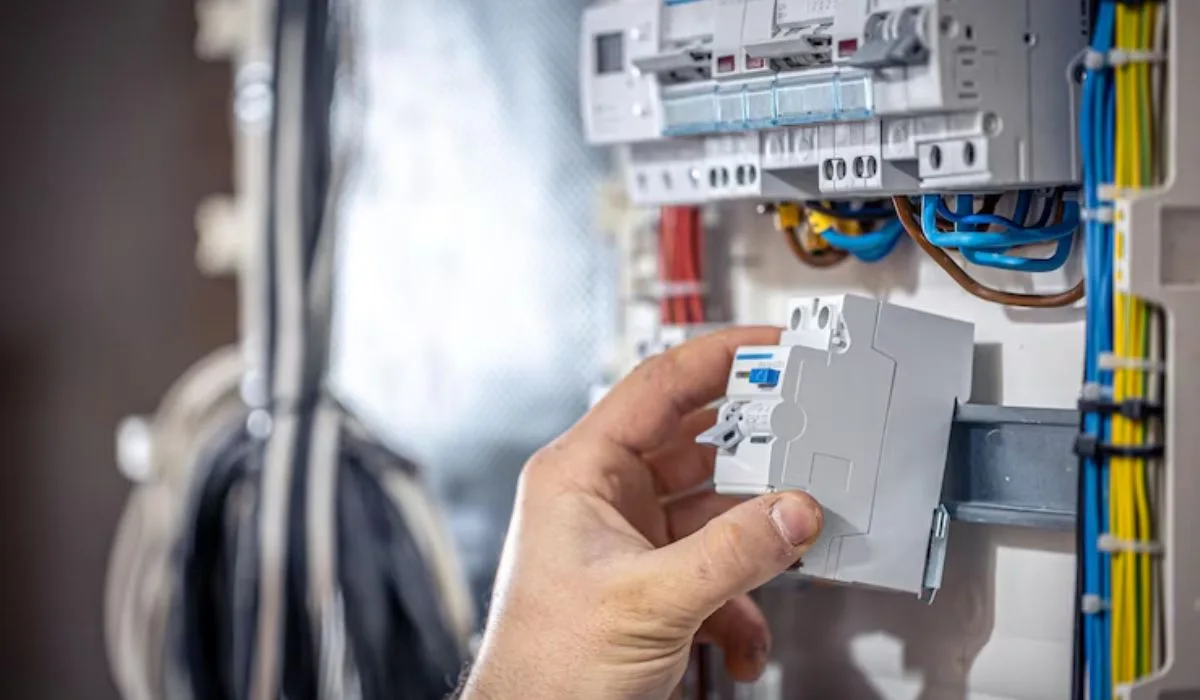
When it comes to maintaining switchgear, safety is the number one priority. Switchgear operates at high voltage, so it’s essential that technicians are properly trained on how to handle the equipment, perform isolation procedures, and respond in emergencies.

Personal protective equipment (PPE), lockout/tagout procedures, and keeping a clear record of all maintenance activities are all important practices. Not only do these keep the staff safe, but they also help keep the electrical system in top shape.

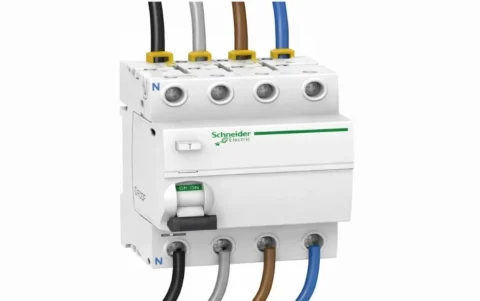
Schneider Supplier

Conclusion

Maintaining switchgear is about more than just keeping it working—it’s about ensuring safety, efficiency, and longevity. Regular inspections, cleaning, lubrication, testing, and condition monitoring all play a part in extending the life of your switchgear and avoiding unexpected breakdowns.

If you need high-quality switchgear products or expert guidance on maintenance, Al Arz Electrical Ware Trading is a trusted supplier in the UAE, offering durable solutions and the support you need to keep your electrical systems performing at their best.

How Does Electrical Switchgear in the UAE Improve System Efficiency?

How Does Electrical Switchgear in the UAE Improve System Efficiency?

In the UAE, where energy demand is constantly on the rise and the weather is often extreme, ensuring that electrical systems are efficient and reliable is a top priority. Electrical switchgear, which includes essential devices like circuit breakers & relays, plays a vital role in enhancing the overall efficiency of electrical systems, whether in industrial, commercial, or residential settings. Here’s how switchgear can make a real difference when it comes to improving system efficiency in the UAE:

Optimized Power Distribution of Electrical Switchgear

Optimized Power Distribution

Electrical switchgear is a must for effective power distribution. By allowing operators to divide the electrical network into manageable sections, switchgear ensures that electricity flows only where it is needed.

Here’s how switchgear contributes:

  • Minimizing energy loss: By reducing unnecessary loads on circuits, switchgear ensures that only the necessary amount of power is used, which directly decreases wasted energy.
  • Balanced load distribution: Switchgear ensures that power is evenly spread across multiple circuits, avoiding overloading and ensuring smooth operation.
  • Selective isolation: If a section of the network goes down, switchgear isolates only the affected area, meaning the rest of the system continues to function, avoiding widespread disruption.

By optimizing the flow of electricity, switchgear helps reduce wasted energy, making the system more efficient overall.

Reducing Downtime Through Fast Fault Isolation

Faults like short circuits or overloads can wreak havoc on electrical systems, leading to significant downtime and operational inefficiency. Switchgear plays a critical role in quickly detecting faults & isolating the problematic area before it can cause more damage.

The benefits of this fast fault isolation include:

  • Minimal disruption: The unaffected parts of the system can continue operating normally, ensuring no major interruptions in service.
  • Preventing further damage: Fast isolation of faults reduces the risk of damage to equipment & prevents further energy loss.
  • Lower repair costs: By preventing system-wide failures, repair costs are kept to a minimum, and downtime is reduced.

In industrial settings, where every second of downtime counts, this ability to quickly isolate faults can save time and money, helping improve overall efficiency.

Enhancing Energy Management

In today’s modern electrical systems, switchgear doesn’t just provide protection—it also plays an integral role in energy management. Many switchgear systems are equipped with smart technology that lets for real-time monitoring of energy usage.

This integration offers several advantages:

  • Real-time load balancing: Switchgear can provide instant data on how power is being used, enabling operators to adjust load distribution as needed.
  • Energy-saving opportunities: With access to data about voltage drops, power factors, and load patterns, operators can identify inefficiencies & take steps to reduce waste.
  • Smart energy strategies: For example, switchgear systems can help implement load shedding, reducing the strain on the electrical network during peak times.

This integration with energy management tools allows businesses to optimize their energy consumption & reduce unnecessary costs.

Also Read-How Smart Switchgear Makes Electrical Systems Safer and Smarter

Improving Equipment Longevity

Switchgear not only protects electrical systems from faults but also plays a crucial role in prolonging the life of electrical equipment. By regulating the flow of electricity & preventing overloading, it ensures that transformers, motors, & other connected devices don’t get damaged by surges or excessive current.

Key benefits include:

  • Reduced wear and tear on equipment: Consistent performance is ensured, and sensitive equipment is protected from damaging electrical spikes.
  • Lower maintenance costs: Since equipment is protected, it lasts longer, meaning fewer repairs or replacements are needed.
  • Enhanced system reliability: With equipment lasting longer and operating more consistently, the system as a whole becomes more reliable & efficient.

When switchgear is properly functioning, it reduces the risk of expensive breakdowns and ensures that the equipment continues to perform well for years.

Supporting Scalable and Flexible Systems

As businesses grow or energy demands change, electrical systems need to be able to scale efficiently. Switchgear is crucial in this respect because it allows systems to expand without major disruptions, ensuring that they remain efficient even as they grow.

The advantages of scalability include:

  • Easier system expansion: As your facility adds new circuits or equipment, switchgear makes it possible to do so smoothly without affecting the overall system’s performance.
  • Integration of renewable energy sources: For businesses looking to incorporate solar or wind power, switchgear helps integrate these energy sources seamlessly into the grid.
  • Future-proofing your system: As energy needs evolve, switchgear enables you to make adjustments or upgrades without major disruptions.

This flexibility allows systems to meet growing energy demands without sacrificing efficiency.

Maintenance and Reliability

Switchgear doesn’t just improve efficiency when it’s new; ongoing maintenance is main to keeping it running at its best. Regular inspections and servicing help prevent unexpected failures, ensuring the system continues to operate at peak performance.

Best practices for maintenance include:

  • Regular inspection of circuit breakers & relays to ensure they are functioning correctly.
  • Testing insulation & connections to prevent electrical faults that could affect efficiency.
  • Cleaning and servicing control panels to keep them in optimal working condition.

Proper maintenance not only prevents system breakdowns but also optimizes the overall efficiency of the system by ensuring that all components are working as they should.

Electrical Switchgear Suppiler

Conclusion

Electrical switchgear is more than a safety mechanism; it is a key factor in improving system efficiency. By optimizing power distribution, enabling fast fault isolation, supporting energy management, & ensuring reliable operation, switchgear aids businesses and facilities maximize performance while minimizing energy loss and costs.

Choosing the right electrical switchgear supplier in UAE ensures that your system receives high-quality, standards-compliant products that deliver both safety and efficiency. For businesses seeking dependable switchgear solutions and expert guidance, Al Arz Electrical Ware Trading provides certified products & professional support, helping facilities achieve long-term operational efficiency.

How Smart Switchgear Makes Electrical Systems Safer and Smarter

How Smart Switchgear Makes Electrical Systems Safer and Smarter

In today’s fast-paced industrial and commercial environments, ensuring electrical safety and efficiency is more important than ever. Traditional switchgear systems, while reliable, lack the advanced monitoring and protective features that modern smart switchgear provides. Smart switchgear integrates digital technology with electrical distribution systems, enhancing safety, performance, & real-time monitoring. For businesses, understanding the benefits of smart switchgear & working with a trusted electrical switchgear supplier in UAE is crucial for operational reliability & compliance.

Making Electrical Systems Safer with Smart Switchgear

Making Electrical Systems Safer with Smart Switchgear


1. Real-Time Fault Detection

Imagine being able to detect issues like short circuits or overloads instantly. Smart switchgear has built-in sensors that keep an eye on things like current, voltage, & temperature. If something goes wrong, it spots it right away & triggers a protective response. This means fewer chances for fires, equipment damage, or bigger electrical hazards.

2. Automatic Circuit Protection

With older switchgear, you might have to manually disconnect faulty circuits. But smart switchgear does this all on its own. If something’s wrong, it automatically isolates the faulty circuit, reducing the risk to workers & equipment. Think of it as an extra layer of safety that kicks in without needing human intervention.

3. Predictive Maintenance Alerts

It can track the health of your electrical components over time. So, instead of waiting for something to fail, it sends alerts when maintenance is needed. This proactive approach prevents disasters & keeps everything running smoothly.

4. Integration with Other Safety Systems

Smart switchgear does not just work by itself—it can communicate with other systems, like fire alarms & energy management platforms. If there’s an electrical anomaly, it can trigger a coordinated response from the entire system. This aids keep everyone safe and things running in sync.

Related read:-Why Switchgear Is Critical in Power Distribution Systems

Why Monitoring with Smart Switchgear Is a Game-Changer


1. Energy Consumption Tracking

Smart switchgear tracks how much energy you’re using in real time. This is especially useful for spotting high-consumption areas so you can make adjustments. More energy efficiency means lower bills & a smaller environmental footprint.

2. Remote Access and Control

One of the coolest features is the ability to monitor and control your system remotely. Whether you’re at home, at another site, or just don’t want to walk all the way across the building, you can check on things from your phone or computer. This is a real time-saver, especially for large buildings or multiple locations.

3. Historical Data and Trend Analysis

Smart switchgear doesn’t just give you data for today. It tracks things over time so you can see trends, predict problems before they happen, & optimize your system. This gives you the insights needed for long-term planning and even future upgrades.

4. Instant Alerts

If something goes wrong, smart switchgear sends you alerts right away—whether through email, SMS, or an app. This aids you address issues fast, keeping your operations running smoothly and preventing bigger problems down the road.

Why Businesses in the UAE Should Care About Smart Switchgear

In the UAE, where temperatures soar & infrastructure is constantly growing, businesses face unique challenges when it comes to electrical systems. Smart switchgear is especially useful in this context for several reasons:

  • Better Compliance with Safety Standards: With smart switchgear, you can rest assured your system meets UAE’s fire & electrical safety regulations, which aids avoid penalties.
  • Reduced Downtime: Instant fault detection and automatic protection help minimize operational disruptions, so you don’t lose valuable time or money.
  • Energy Efficiency: Real-time monitoring helps optimize energy usage, which can lead to lower electricity bills.
  • Scalability: As your business grows, your electrical wants will change. Smart switchgear systems are easily expandable to meet these demands.
  • Long-Term Savings: Fewer system failures, predictive maintenance, and optimized energy use all mean that you will save money in the long run.

Why Businesses in the UAE Should Care About Smart Switchgear

In Conclusion

Smart switchgear is a major upgrade from traditional systems, offering improved safety, real-time monitoring, & better energy management. For businesses in the UAE, it is a must part of modern electrical infrastructure. By partnering with a trusted electrical switchgear supplier, you’re not only getting high-quality products, but also the expert guidance you need to keep your systems running safely & efficiently.

If you are ready to upgrade to smart switchgear, Al Arz Electrical Ware Trading is here to help.

Why Switchgear Is Critical in Power Distribution Systems

Why Switchgear Is Critical in Power Distribution Systems

In the modern world, where electricity powers homes, industries, and businesses, ensuring a safe and reliable flow of power is vital. At the center of this reliability lies switchgear—a crucial component in every power distribution system. Whether it is a residential building, a commercial complex, or a large-scale industrial facility, switchgear ensures that electrical networks remain safe, efficient, and easy to maintain. Choosing the right electrical switchgear supplier in UAE is, therefore, an important step in achieving dependable power systems.

What Is Switchgear?

What Is Switchgear?

Switchgear is a broad term used to describe devices that control, protect, and isolate electrical circuits and equipment. It includes switches, fuses, circuit breakers, isolators, relays, and control panels. These devices work together to ensure that electrical faults are quickly detected and addressed, minimizing risks to equipment and people.

Why Switchgear Matters in Power Distribution

1. Protection Against Faults

One of the biggest roles of switchgear is protecting systems from electrical faults such as short circuits, overloads, or equipment failure. By cutting off power instantly when a fault occurs, switchgear prevents damage to machinery, fire hazards, and safety risks.

2. Ensuring Reliability

Switchgear ensures continuous power flow by managing the load across circuits. In case of faults in one section, it isolates that part while keeping the rest of the system running, ensuring minimal disruption.

3. Safe Maintenance

For electricians and engineers, switchgear allows specific parts of the network to be shut down safely while maintenance or repairs are carried out. This makes systems safer to manage without halting operations completely.

4. Efficient Power Control

In modern power distribution systems, controlling the flow of electricity is just as important as supplying it. Switchgear regulates voltage and current, ensuring smooth and efficient power delivery across different applications.

5. Compliance with Standards

Most industries and commercial setups must comply with international and regional safety standards. Switchgear helps meet these requirements, making electrical systems legally safe and approved for use.

Types of Switchgear

Switchgear can be categorized based on the voltage it handles:

  • Low-Voltage Switchgear: Typically used in residential and small commercial buildings to protect appliances and wiring systems.
  • Medium-Voltage Switchgear: Common in industrial facilities, factories, and larger buildings where higher loads need to be managed.
  • High-Voltage Switchgear: Used in power plants, substations, and transmission lines where large amounts of energy need to be distributed safely.

Each type plays a unique role, but all share the same purpose—ensuring safety and efficiency in power distribution.

Suggested Read-How Smart Switchgear Makes Electrical Systems Safer and Smarter

Applications of Switchgear in the UAE

The UAE’s rapid development across industries has created a rising demand for switchgear systems. Some key sectors where they are indispensable include:

  • Residential Projects: Apartment complexes and housing projects rely on low-voltage switchgear for safe household electricity.
  • Commercial Spaces: Shopping malls, office towers, and hotels depend on medium-voltage switchgear to manage heavy energy loads.
  • Industrial Operations: Factories, warehouses, and refineries require robust switchgear systems to power machinery safely.
  • Infrastructure Projects: Airports, metro systems, and roads depend on switchgear to handle massive electrical loads without interruptions.
  • Renewable Energy: Solar and wind projects increasingly rely on switchgear to regulate and distribute clean energy efficiently.

How to Choose the Right Switchgear Supplier

Since switchgear is a critical investment in any project, sourcing it from a reliable partner is crucial. Here’s what to consider when selecting an electrical switchgear suppiler in uae:

  • Product Range: A good supplier should offer low, medium, and high-voltage switchgear options.
  • Certifications: Products must meet international safety and performance standards.
  • Durability: Switchgear must withstand the UAE’s climate and operating conditions.
  • Technical Expertise: Suppliers who provide guidance, installation support, and after-sales service offer greater value.
  • Timely Delivery: Availability and quick delivery are important to keep projects on schedule.

The Future of Switchgear in Power Distribution

With the UAE moving toward smarter cities and renewable energy, the role of switchgear is becoming even more critical. Modern systems now integrate automation and smart monitoring, allowing for real-time fault detection and energy management. These advancements help reduce downtime, improve efficiency, and support the country’s sustainability goals.

The Future of Switchgear in Power Distribution

Conclusion

Switchgear is the backbone of every power distribution system, ensuring safety, efficiency, and uninterrupted operations. From protecting equipment and preventing accidents to supporting maintenance and meeting compliance standards, its role cannot be overstated. To guarantee reliability and long-term performance, it is essential to work with a trusted electrical switchgear suppiler in uae. Among the most respected names in the industry, Al Arz Electrical Ware Trading stands out for delivering high-quality switchgear solutions, expert support, and dependable service across diverse projects in the UAE.

Essential Components of an Electrical Switchgear System

Essential Components of an Electrical Switchgear System

An electrical switchgear Suppiler system is a crucial part of power distribution networks, ensuring safe and efficient management of electrical power. It protects electrical circuits, controls power flow, and prevents overloads or short circuits, minimizing the risk of electrical failures. Switchgear is used in various applications, from industrial plants and commercial buildings to power generation and transmission stations. Understanding its essential components is key to selecting and maintaining a reliable switchgear system.

Circuit Breakers

1. Circuit Breakers

Circuit breakers are one of the most critical components in an electrical switchgear system. They automatically disconnect electrical circuits when a fault, such as a short circuit or overload, occurs. Different types of circuit breakers include:

  • Air Circuit Breakers (ACB) – Used for high-voltage applications in industrial settings.
  • Miniature Circuit Breakers (MCB) – Common in residential and small commercial buildings.
  • Molded Case Circuit Breakers (MCCB) – Used in larger systems to protect against higher current ratings.
  • Vacuum Circuit Breakers (VCB) – Preferred for medium-voltage applications due to their high efficiency and low maintenance requirements.

2. Relays and Protective Devices

Relays and protective devices detect faults in the electrical system and send signals to circuit breakers to isolate affected areas. Common protective relays include:

  • Overcurrent relays – Detect excessive current flow.
  • Differential relays – Identify internal faults by comparing currents at two points.
  • Earth fault relays – Detect leakage currents that could lead to electrical hazards.

3. Busbars

Busbars are metal strips or bars that conduct electricity within the switchgear system. Made of copper or aluminum, they distribute power efficiently to different components. Busbars are designed to handle high current loads and are insulated to prevent accidental contact.

Explore more-Why Switchgear Is Critical in Power Distribution Systems

4. Disconnectors and Isolators

Disconnectors and isolators are used to manually separate electrical circuits for maintenance or emergency shutdowns. Unlike circuit breakers, they do not interrupt current flow under load conditions but ensure that certain parts of the system remain de-energized when required.

5. Fuses

Fuses provide an additional layer of protection by breaking the circuit when excessive current flows through them. They are commonly used in smaller electrical networks and act as a backup to circuit breakers.

6. Control Panels and Meters

Control panels house essential monitoring and control devices, including:

  • Voltmeters and ammeters – Measure voltage and current levels.
  • Frequency meters – Monitor the frequency of the electrical system.
  • Control switches – Allow operators to manage power distribution.

7. Surge Arresters

Surge arresters protect the switchgear system from voltage spikes caused by lightning or switching operations. They divert excess voltage away from sensitive equipment, preventing damage.

Surge Arresters For electrical switchgear system

Conclusion

For high-quality electrical switchgear solutions, Al Arz Electrical Ware Trading is a trusted supplier offering reliable components for power management and safety. Whether for industrial, commercial, or residential applications, Al Arz Electrical Ware Trading ensures top-tier products that enhance electrical system efficiency and protection.

What is an Electrical Switchgear? Basics & Voltages Breakdown

What is an Electrical Switchgear? Basics & Voltages Breakdown

Electrical switchgear is widely used as the primary infrastructure for handling, regulating, and safeguarding electrical circuits in power distribution systems. One of its main functions is to protect the supply of electrical power by excluding faults, avoiding overloads, and allowing for maintenance while keeping only a section out of service. Electrical Switchgears are used in various industries, commercial buildings, and residential areas where electrical safety is a key consideration.

This blog dives into the basics of electrical switchgear and offers a voltage-level breakdown to help you understand its functionality better.

The Basics of Electrical Switchgear

The Basics of Electrical Switchgear

Switchgear is a compact formation of electrical devices in the form of circuit breakers, switches and fuses used for serving the purpose of operating electrical power. Here’s what makes switchgear critical:

  • Control and Protection: They assist in regulating the amount of current as well as prohibiting such faults as short circuiting or overloading.
  • Isolation: Switchgear allows the isolation of faulty parts for maintenance, keeping the rest of the system operational.
  • Reliable Operation: By monitoring and managing electrical systems, switchgear ensures uninterrupted power supply and safety.

Key Components of Switchgear Systems

Switchgear systems are made up of:

  • Circuit Breakers: Automatically interrupts the power flow when a fault is detected.
  • Disconnect Switches: Manually isolates parts of the circuit for safe maintenance.
  • Protective Relays: Detect abnormalities and trigger appropriate protective measures.
  • Fuses: Protects circuits from overcurrent by breaking the connection when needed.

Voltages Breakdown of Switchgear

Switchgear is classified based on the voltage levels it handles. Each category is designed for specific applications and environments.

Low Voltage (LV) Switchgear

  • Voltage Range: Up to 1 kV.
  • Applications: Used in residential buildings, small industries, and commercial setups.
  • Features: Compact size, easy installation, and simple operation.

Medium Voltage (MV) Switchgear

  • Voltage Range: 1 kV to 36 kV.
  • Applications: Found in industrial plants, power generation facilities, and large commercial buildings.
  • Features: Advanced fault detection, higher insulation requirements, and robust design.

High Voltage (HV) Switchgear

  • Voltage Range: Above 36 kV.
  • Applications: Used in power transmission networks, substations, and large-scale industries.
  • Features: Designed for handling high power loads, offers excellent reliability and safety.

Types of Electrical Switchgear

Switchgear can also be categorized based on its structure and insulation:

  • Outdoor Switchgear: Used in open environments; designed to withstand harsh weather conditions.
  • Indoor Switchgear: Installed indoors, protected from environmental factors.
  • Gas-Insulated Switchgear (GIS): Compact and suitable for limited spaces; filled with insulating gas.

Why is Switchgear Essential?

  • Safety: Protects both personnel and equipment from electrical hazards.
  • Efficiency: Ensures smooth operation of electrical systems without interruptions.
  • Flexibility: Allows for system modifications and maintenance without shutting down the entire grid.

Why is Switchgear Essential?

Conclusion

Electrical switchgear plays a pivotal role in managing and protecting electrical systems across various voltage levels. Understanding its basics and voltage breakdown can help in choosing the right switchgear for specific applications.

For high-quality switchgear solutions tailored to your needs, trust Al Arz Electrical, your reliable partner for efficient and safe electrical systems.

What are the different types of Electrical Switchgear used in power distribution?

What are the different types of Electrical Switchgear used in power distribution?

Safe and efficient power distribution makes use of reliable electrical switchgear. In the UAE, with blossoming industries, businesses, and residential developments, high-quality switchgear is in immense demand. Switchgear is instrumental in controlling, protecting, and isolating equipment in power distribution. This blog looks into the different types of electrical switchgear generally used in power distribution and their importance.

What Is Electrical Switchgear?

What Is Electrical Switchgear?

Electrical switchgear is an integrated system of electrical devices designed to manage and control power flow in electrical circuits. It serves some of the most important protection functions, providing protection against various electrical faults, including overloads and short circuits, under overcurrent conditions, with minimal or no disturbance to the power supply. Switchgear systems are crucial for industries, utilities, or even residential complexes in the UAE.

Types of Electrical Switchgear

Electrical switchgear in UAE can be broadly classified based on voltage levels and functions. Now, let us have a closer look at the primary classifications:

1. Low-Voltage Switchgear (LV Switchgear)

  • Definition: Used for voltage levels up to 1,000 volts.
  • Applications: These are the ones that are widely used in residential and commercial buildings, data centres, and small-scale industries.
  • Components: It consists of circuit breakers, fuses, and contactors.
  • Benefits: It offers protection against overloads and short circuits, safeguarding electrical equipment and people using the equipment.

2. Medium-Voltage Switchgear (MV Switchgear)

  • Definition: Deals with voltage between 1 kV and 36 kV.
  • Applications: Used extensively in industrial plants, utility substations, and power-generating installations.
  • Components: It consists of a circuit breaker, disconnector, and transformer.
  • Benefits: The facility includes high-end fault detection and protection mechanisms to provide cut-off power supply in critical systems without any interruptions.

 3. High-voltage switchgear (HV Switchgear)

  • Definition: Operating at more than 36 kV
  • Apps: Advantages in power transmission and large-scale energy distribution.
  • Components: Gas Insulated Switchgear, Air Insulated Switchgear, Circuit Breakers.
  • Benefits: Guaranteed reliability and safety in high-voltage power transmission systems.

Key Electrical Switchgear Roles

Switchgear performs the following key functions in the distribution of power:

  • Protection: In order to protect equipment and systems from electrical faults,
  • Control: In order to regulate power flow and maintain a stable supply.
  • Isolation: It should ensure that the maintenance and repair works are safe by isolating circuits.

Why Opt for High-Quality Electrical Switchgear in UAE?

The fast development of infrastructure and industries in the UAE necessitates high-grade and efficient electrical systems. Here’s why this is an important decision:

  • Improved Safety: Prevents human damage and equipment from electrical dangers.
  • Economic Savings: Avoids or minimizes instances of expensive repairs and reduces downtime.
  • Energy Efficiency: Exploits available sustainable energy sources, with an increasing emphasis on the UAE
  • Compliance: Safety and performance to local and international standards.

FAQ

1. How many types of switchgear are there?

There are three different classes of switchgear systems: low-voltage, medium-voltage, and high-voltage.

2. What two main types of switchgear are used in an electrical system?

Most applications require either low-voltage switchgear or medium-voltage switchgear.

3. What is medium-voltage switchgear used for?

Medium-voltage switchgear is used in power distribution networks for circuits operating between 1 kV and 36 kV. It is commonly used in urban distribution systems, industrial facilities, and utilities to control and protect medium-voltage circuits.

4. Why is switchgear important in power distribution?

Switchgear plays a critical role in protecting electrical circuits from faults, preventing damage to equipment, and ensuring the safe and uninterrupted supply of electricity. It helps maintain the stability of the electrical network.

Why Opt for High-Quality Electrical Switchgear in UAE?

Conclusion

Electrical switchgear forms the spine of power distribution, providing security, reliability, and efficiency through diverse industries. All that is needed from businesses and homeowners is some insight into the various varieties available and their uses. And for the very best electrical switchgear to power your success in the UAE, there’s no better place than to trust Al Arz Electrical Ware Trading for the solution.


How to Maintain and Troubleshoot Electrical Switchgear in Extreme Climates?

How to Maintain and Troubleshoot Electrical Switchgear in Extreme Climates?

The extreme climatic condition including highly high temperature along with high humidity is the main challenge of switching gear maintenance in Dubai. Proper maintenance ensures efficiency and safety of switchgear, hence the electrical systems. In case your switchgear malfunctions, then failures in switchgear may occur; therefore, it becomes very crucial to take preventative measures way in advance. 

With these climatic conditions, Electrical Switchgear in UAE requires more of these key strategies to maintain and troubleshoot it.

How to Maintain and Troubleshoot Electrical Switchgear in Extreme Climates?

1. Regular Inspection and Cleaning:

Regular inspection will identify the potential issues before they become major problems. Dust and debris can settle on switchgear components, making them not perform optimally. Schedule regular cleaning sessions. Emphasis should be on dust and moisture removal from surfaces. Cleaning agents should be appropriate, and all components should be dry to avoid corrosion and electrical shorts.

2. Temperature Monitoring:

Overheating of the components due to extreme high temperatures in Dubai may lead to premature failure. In this light, employ temperature monitoring systems for your switchgears. Monitor the heat level of your switchgears. If you determine that the heat exceeds the said safe operational limits, install additional cooling systems, such as ventilation fans or air conditioning, to combat the impact of the heat.

3. Humidity Control:

High humidity would also result in condensation within electrical components, which is undesirable. Humidity can be controlled through dehumidifiers and moisture-absorbing materials in a switchgear enclosure. Inspect seals and gaskets regularly to ensure there is no damage and hence no water entry.

4. Lubrication of Moving Parts:

Moving parts of a circuit breaker and a disconnect switch will often be an integral part of the switchgear. Sustained high temperatures cause friction and wear buildup to rapidly build up. These should be lubricated regularly with appropriate lubricants for the high temperature. In this manner, the moving parts can continue to operate freely without the possibility of mechanical failure.

5. Testing and Calibration:

Routine testing and calibration of electrical switchgears shall be observed to maintain integrity in service. All the tests specified below are essential; insulation resistance, as well as functional tests, shall be performed on each component to ensure all parts function correctly. There should always be regular testing that could identify problems in advance as they occur before they can affect system performance.

6. Emergency Preparedness:

In extreme climates, backup plans for unexpected failures are essential. Train your team to diagnose common switchgear problems, such as tripped circuits or equipment failures. Always maintain essential spare parts available for quick replacement with minimal downtime and maximum system reliability.

7. Professional Support:

Collaboration with industry experts will really make a big difference in switchgear maintenance management. Al Arz Electrical Ware Trading is an entity within the GK Group that serves quality electrical products and services, specifically designed to fight the combat of local climates in Dubai. Our experienced team can help you come up with good maintenance strategies, detect and diagnose problems, and find sources for all necessary parts to maintain the smooth flow of your electrical systems.

How to Maintain and Troubleshoot Electrical Switchgear in Extreme Climates?

Electrical switchgear, especially in extreme climates like Dubai, must be serviced and attended to well ahead of time. Routine checks, monitoring environmental conditions, and collaboration with experienced persons will therefore go a long way in ensuring a longer period during which your electrical systems will perform. 

Al Arz Electrical Ware Trading is committed to offering only the very best Electrical Switchgear in UAE solutions with the special demand of the UAE market.


10 Common Mistakes to Avoid When Purchasing Electrical Switchgear

Introduction:

Electrical switchgear is a critical component in any electrical system, responsible for controlling, protecting, and isolating electrical equipment. However, purchasing electrical switchgear requires careful consideration to ensure the reliability, safety, and efficiency of the system. In UAE, where infrastructure and industrial development are rapidly progressing, choosing the right Electrical Switchgear Supplier in UAE is essential. In this blog post, we will highlight 10 common mistakes to avoid when purchasing electrical switchgear, helping buyers make informed decisions and avoid costly errors.

Why Switchgear Is Critical in Power Distribution Systems

Not Assessing System Requirements:

One of the most common mistakes is not adequately assessing the specific requirements of the electrical system. Buyers must consider factors such as voltage levels, load capacities, fault currents, and environmental conditions to ensure that the switchgear meets the system’s needs.

Neglecting Safety Standards:

Safety should be a top priority when purchasing electrical switchgear. Neglecting to verify that the switchgear complies with relevant safety standards and regulations can pose serious risks to personnel and equipment. Ensure that the switchgear meets industry standards such as IEC, ANSI, and UL.

Overlooking Compatibility:

Switchgear components must be compatible with other equipment in the electrical system. Overlooking compatibility issues can lead to integration problems, reduced efficiency, and potential equipment damage. Ensure that the switchgear is compatible with existing infrastructure and future expansion plans.

While cost is a significant factor, focusing

Focusing Solely on Price:

solely on price can lead to compromises in quality and performance. Opting for cheaper switchgear may result in higher long-term costs due to maintenance, repairs, and downtime. Consider overall value, including quality, reliability, and lifecycle costs.

Ignoring Maintenance Requirements:

Electrical switchgear requires regular maintenance to ensure optimal performance and reliability. Ignoring maintenance requirements or opting for switchgear with complex maintenance procedures can lead to increased downtime and operational costs. Choose switchgear with straightforward maintenance requirements and access to support services.

Not Considering Future Expansion:

When purchasing electrical switchgear, it’s essential to consider future expansion and scalability requirements. Neglecting to account for future growth can result in undersized switchgear that requires costly upgrades or replacements down the line. Choose switchgear that can accommodate future expansion needs.

Forgetting About Environmental Factors:

Environmental conditions, such as temperature, humidity, and corrosive elements, can impact the performance and lifespan of electrical switchgear. Forgetting to assess environmental factors and selecting switchgear that is not suitable for the operating environment can lead to premature failure and reliability issues.

Lack of Vendor Evaluation:

Choosing the right Electrical Switchgear Supplier in UAE is crucial for ensuring quality products and reliable support services. However, failing to conduct thorough vendor evaluations can result in partnering with unreliable suppliers. Evaluate vendors based on their reputation, experience, certifications, and customer reviews.

Underestimating Lead Times:

Underestimating lead times can lead to project delays and increased costs. Electrical switchgear often has longer lead times due to customization, testing, and shipping requirements. Plan ahead and allow sufficient time for procurement and installation to avoid schedule disruptions.

Not Seeking Expert Advice:

Purchasing electrical switchgear is a complex process that requires technical expertise. Not seeking expert advice from electrical engineers, consultants, or experienced suppliers can result in making uninformed decisions. Consult with professionals to assess your requirements and identify the most suitable switchgear solutions.

Why is Switchgear Essential?

Conclusion:

Avoiding these common mistakes when purchasing electrical switchgear is essential for ensuring the reliability, safety, and efficiency of electrical systems in UAE. By assessing system requirements, prioritizing safety standards, considering compatibility and scalability, evaluating vendors, and seeking expert advice, buyers can make informed decisions and avoid costly errors. Partnering with a reputable Electrical Switchgear Supplier in UAE is crucial for procuring high-quality switchgear and reliable support services. By taking these factors into account, buyers can optimize the performance and longevity of their electrical systems while minimizing risks and expenses.

The Importance of Regular Maintenance for Electrical Switchgear Reliability

Top Features of Reliable Electrical Panel Manufacturers in the UAE

Introduction:

Electrical switchgear plays a critical role in ensuring the safe and efficient distribution of electricity in various industrial, commercial, and residential settings. However, to maintain optimal performance and reliability, regular maintenance of electrical switchgear is essential. In UAE, where infrastructure and industrial development are thriving, ensuring the reliability of Electrical Switchgear UAE is paramount. In this blog post, we will delve into the importance of regular maintenance for electrical switchgear reliability in UAE.

How to Maintain and Troubleshoot Electrical Switchgear in Extreme Climates?

Preventing Equipment Failure:

Regular maintenance helps identify and address potential issues before they escalate into major problems. Electrical switchgear components, such as circuit breakers, contactors, and relays, are subject to wear and tear over time. By conducting routine inspections, cleaning, and testing, maintenance professionals can detect early signs of deterioration or malfunction and take proactive measures to prevent equipment failure.

Ensuring Operational Safety:

Safety is a top priority when it comes to electrical systems. Faulty or poorly maintained switchgear can pose serious safety risks, including electrical shocks, fires, and equipment damage. Regular maintenance helps ensure that electrical switchgear operates safely and reliably, reducing the likelihood of accidents or emergencies. Inspections of insulation, connections, and grounding systems can identify potential hazards and mitigate safety risks.

Maximizing System Efficiency:

Efficient electrical distribution systems are essential for optimizing energy usage and reducing operational costs. Regular maintenance of Electrical Switchgear UAE helps ensure the efficient performance of electrical equipment, minimizing energy losses and improving system reliability. Proper calibration, adjustment, and lubrication of switchgear components can enhance system efficiency and prolong equipment lifespan.

Compliance with Regulations:

In UAE, as in many other regions, there are stringent regulations and standards governing the maintenance and operation of electrical systems. Regular maintenance helps ensure compliance with regulatory requirements, codes, and standards set by authorities. By adhering to these regulations, businesses can avoid penalties, legal liabilities, and disruptions to operations.

Extending Equipment Lifespan:

Electrical switchgear represents a significant investment for businesses and organizations. Regular maintenance can help protect this investment by extending the lifespan of switchgear equipment. Proper care and maintenance, including cleaning, lubrication, and preventive repairs, can prevent premature wear and deterioration, allowing switchgear to operate reliably for years to come.

The Basics of Electrical Switchgear

Conclusion:

In conclusion, regular maintenance is essential for ensuring the reliability, safety, and efficiency of Electrical Switchgear UAE in UAE. By conducting routine inspections, cleaning, testing, and preventive repairs, maintenance professionals can prevent equipment failure, enhance operational safety, maximize system efficiency, ensure compliance with regulations, and extend equipment lifespan. Investing in regular maintenance not only protects the integrity of electrical switchgear but also safeguards the continuity of operations and minimizes risks for businesses and organizations in UAE. Therefore, prioritizing regular maintenance is crucial for maintaining the reliability and performance of electrical switchgear in the dynamic and rapidly evolving landscape of UAE’s infrastructure and industrial sectors.