

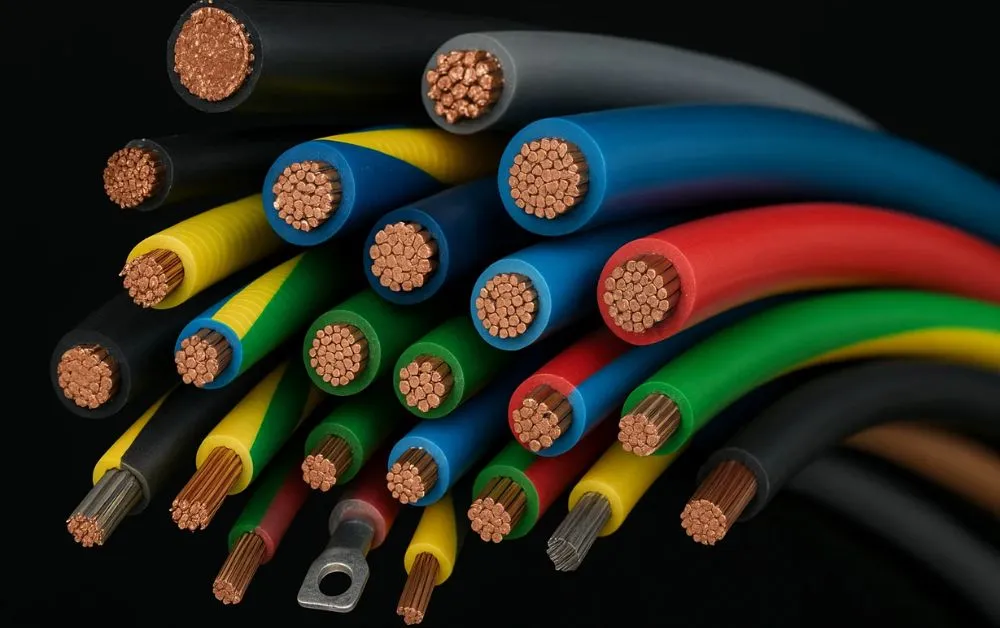
First and foremost, when you’re looking to source electrical supplies, particularly from credible electrical cable suppliers in UAE, understanding voltage ratings is paramount. One of the biggest and leading names in this part of the world, Al Arz Electrical Ware Trading, rises to the top tier in general trading-related operations, offering a complete portfolio of cables, wires, and other related accessories of the highest quality. In this blog, we shall discuss what voltage rating implies in electrical cables, why it is essential, how it is expressed, and how one can go about choosing the right rating for the installation.
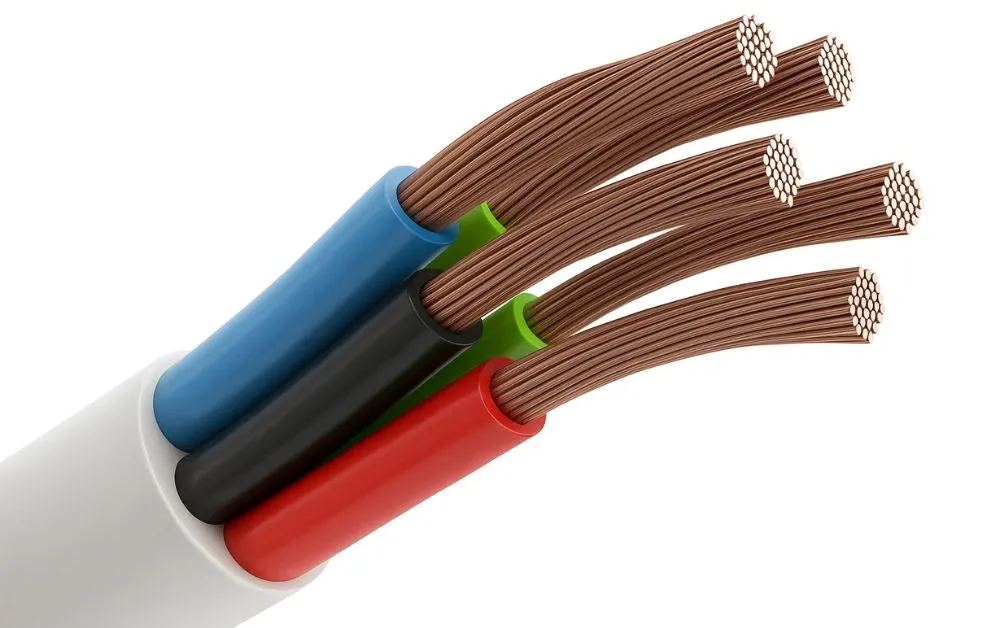
What is a Voltage Rating?
A voltage rating is the maximum continuous voltage that a cable is designed to withstand, considering its operating conditions, without impairing safety or performance. According to guidance on manufacturing electrical cables, it is the “reference voltage for which the cable is designed and which serves to define the electrical tests.”
In more practical terms, it conveys to you: “This cable is meant for a system up to X volts (phase‑to‑earth) or Y volts (phase‑to‑phase) and any misuse beyond that can lead to insulation failure, overheating, or even fire.”
The rating is often given as U₀/U (sometimes with Um) — where U₀ is the RMS value between a conductor and earth, U is between conductors, and Um is the highest system voltage the cable and its accessories are designed to accommodate.
Why Voltage Rating Matters
The reasons for choosing a cable with a proper voltage rating are:
- Safety: Higher voltages than those to which a cable is rated can lead to the breakdown of the insulation and result in potential short circuits or fire hazards.
- Reliability and longevity: a cable operating within its specified rating will perform predictably and last longer. Operating near or beyond it may accelerate the aging of insulation.
- Cost‑effectiveness: The use of an over‑specified cable, that is, a cable with a much higher voltage rating than the application requires, can be unnecessarily costly and bulky; whereas under‑specification invites risk.
- Standards compliance: Most wiring standards, both local and international, depend on proper voltage ratings for appropriate certification and safety installation.
How Voltage Ratings Are Expressed
Let’s take a look at how voltage ratings are typically labeled and what they mean.
- The format “U₀/U” is standard. Example: a cable labelled 0.6/1 kV means 600 V (phase to earth) / 1000 V (phase to phase).
- In everyday low‑voltage installations, ratings such as 300/500 V, 450/750 V, or 600/1000 V are usually seen.
- Values for medium or high‑voltage cables go up, such as: 1.8/3.0 kV, 3/6 kV, 6/10 kV, 12/20 kV, etc.
- In many AC installations, the nominal system voltage must be less than or equal to the rated voltage of the cable. For DC systems, a factor (often ~1.5×) may apply.
In other words, always verify the marking on the cable and make sure the voltage the cable will be subject to is within its rating, and match the system voltage to the rated voltage of the cable.
Voltage Rating Determination Factors
What influences the rating of a cable? A few key parameters:
- Insulation material and thickness: better insulation or thicker layers make for higher voltage ratings. Voltage rating is the amount of electrical stress the insulation can bear before breakdown.
- Conductor to earth and conductor to conductor distances: The physical geometry, including proximity of conductors to earth or metallic sheaths, influences U₀ and U values.
- The system type and method of grounding will have an effect on the application of the ratings, especially for AC systems.
- Installation environment: Temperature, humidity, chemical exposure, or mechanical stress can affect insulation performance — indirectly affecting the safe voltage rating. Voltage rating is independent of current/temperature rating; however, the overall design of the cable must support all the stresses.
- Standards & testing: Cables are tested to determine that their insulation can withstand the rated voltage, often with appropriate safety margins. The rated voltage provides the basis for test voltages.
Also Read-Understanding Electrical Cable Standards & Labels You Should Know
Picking the Right Voltage Rating for Your Installation
The following steps and considerations will help in selecting the proper cable voltage rating:
- Identify the nominal voltage of the system: is it 230 V single‑phase, 415 V three‑phase, or a higher voltage distribution?
- Match or exceed the system voltage: The rated voltage of the cable, both phase‑to‑earth and phase‑to‑phase, shall be equal to or greater than the system voltage.
- Consider the possibility of future expansion or voltage fluctuations: If your system may see higher voltages, such as industrial supply and/or elevated environmental conditions, choose a cable with extra margin.
- Account for the environment and installation method: A cable run through hot, confined spaces or exposed to mechanical stress may call for more robust insulation, which may be associated with a higher rating.
- Consult with supply specialists: Good electrical cable suppliers in the UAE, such as Al Arz Electrical Ware Trading, will be able to advise on the correct cable rating for a particular project and can make sure it meets local regulations, safety standards, and installation methods.
- Avoid overrating unnecessarily: While some extra margin can be good, overspecification (such as specifying a 6/10 kV cable on a 230 V circuit) may inflate costs and present practical handling/installation issues.
Common Misunderstandings & Mistakes to Avoid
- Mistaking current rating (ampacity) for voltage rating: These are different properties; a cable can carry a high current but still be limited in voltage.
- Using a low‑voltage cable in a higher‑voltage system: Insulation failure may occur.
- Assuming “high‑voltage cable” means “thicker” conductor: Not actual — the insulation design, shielding, and voltage rating count.
- Ignoring the U₀/U distinction: Especially in multi‑phase or earthed systems, selection of a cable with the wrong rating phase‑to‑earth can lead to problems.
- Not adhering to local regulations and standards: You have to fulfill the local wiring rules, standards, and approved cable types in the UAE and GCC region.
Conclusion
In brief, understanding voltage ratings in electrical cables is vital for safe, reliable, and cost-effective installations. Be it wiring for a residential building, commercial complex, or industrial setup, proper rating ensures that the insulation will be able to bear the electrical stress along with environmental conditions. As you engage with trusted professionals and suppliers, remember that the right voltage rating is just as crucial as conductor size, insulation type, and installation method. Al Arz Electrical Ware Trading is one of the leading companies in the UAE in the field of general trading and cable supply, making it a reliable choice in electrical cable suppliers in UAE, for those in search of proven supply partners in the region. Working together with a supplier who understands cable ratings, system requirements, and local standards will put you in a perfect position to choose the right cable, minimizing risks and assuring the safety of installation.